Marine Gearbox: Advanced Transmission Solutions for Optimal Vessel Performance

Get a Free Quote

Our representative will contact you soon.
Email
Name
Company Name
Message
0/1000

marine gearbox

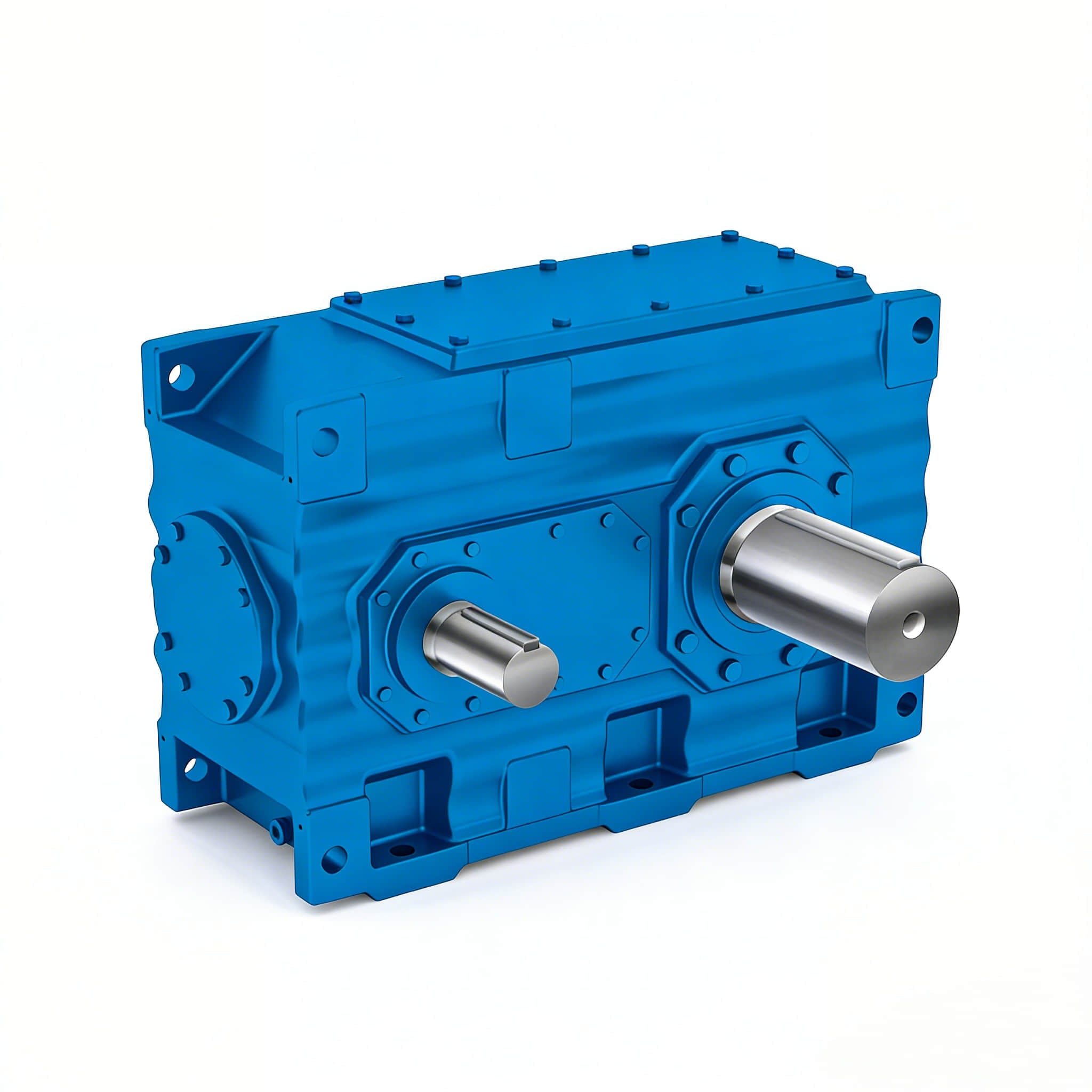
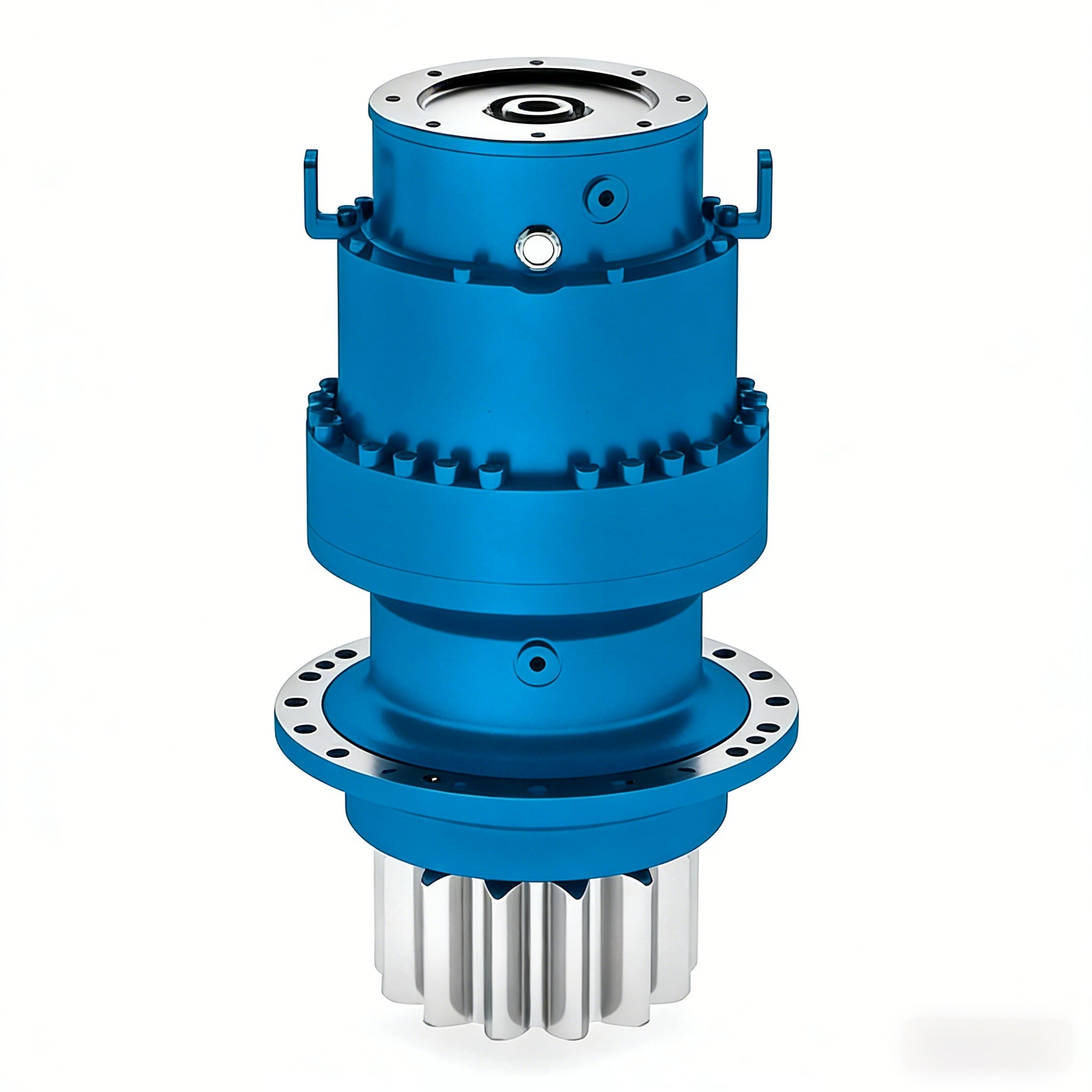
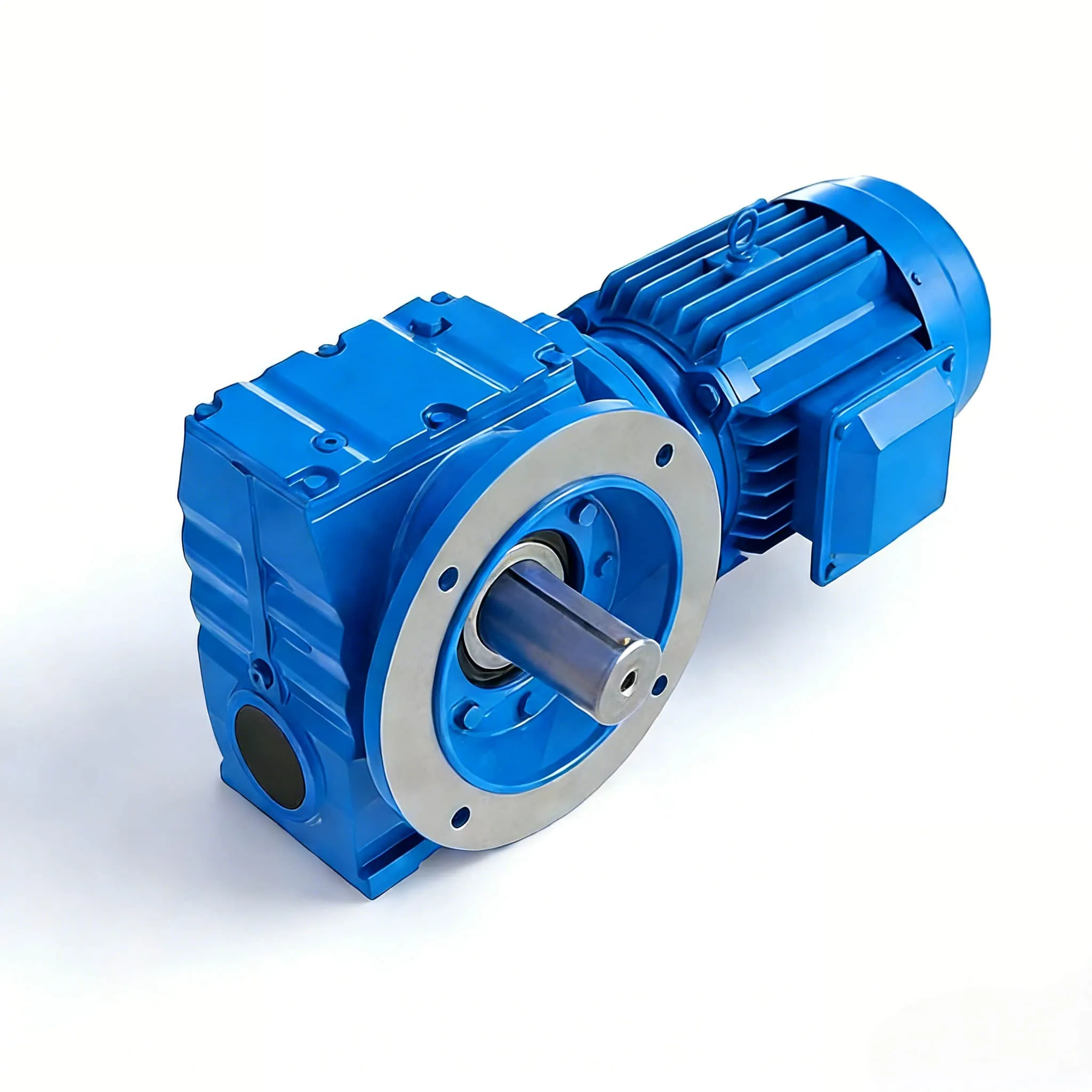
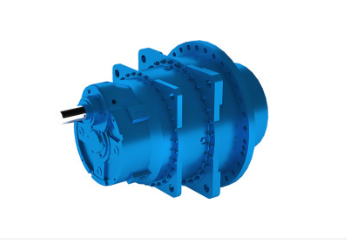
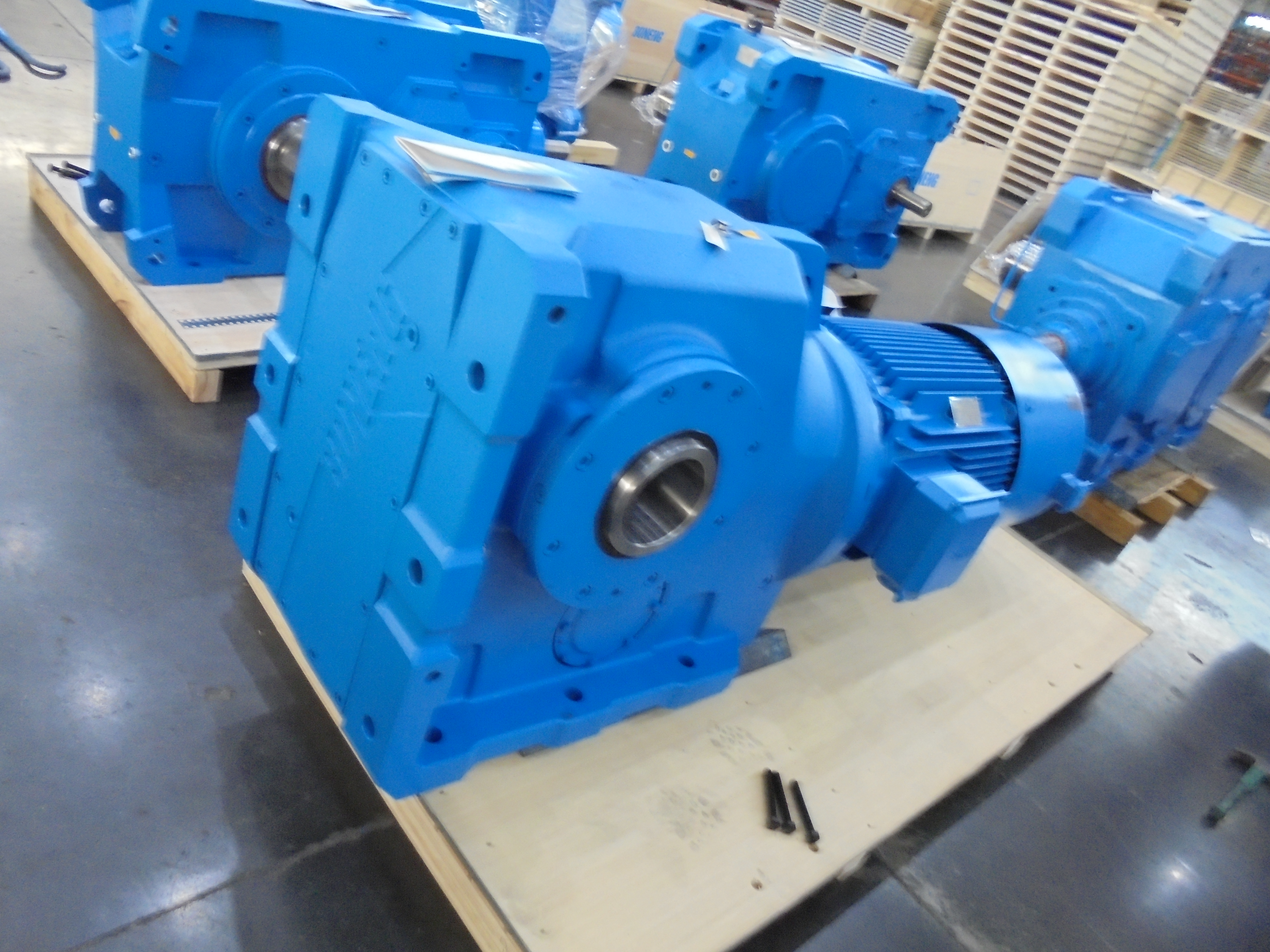
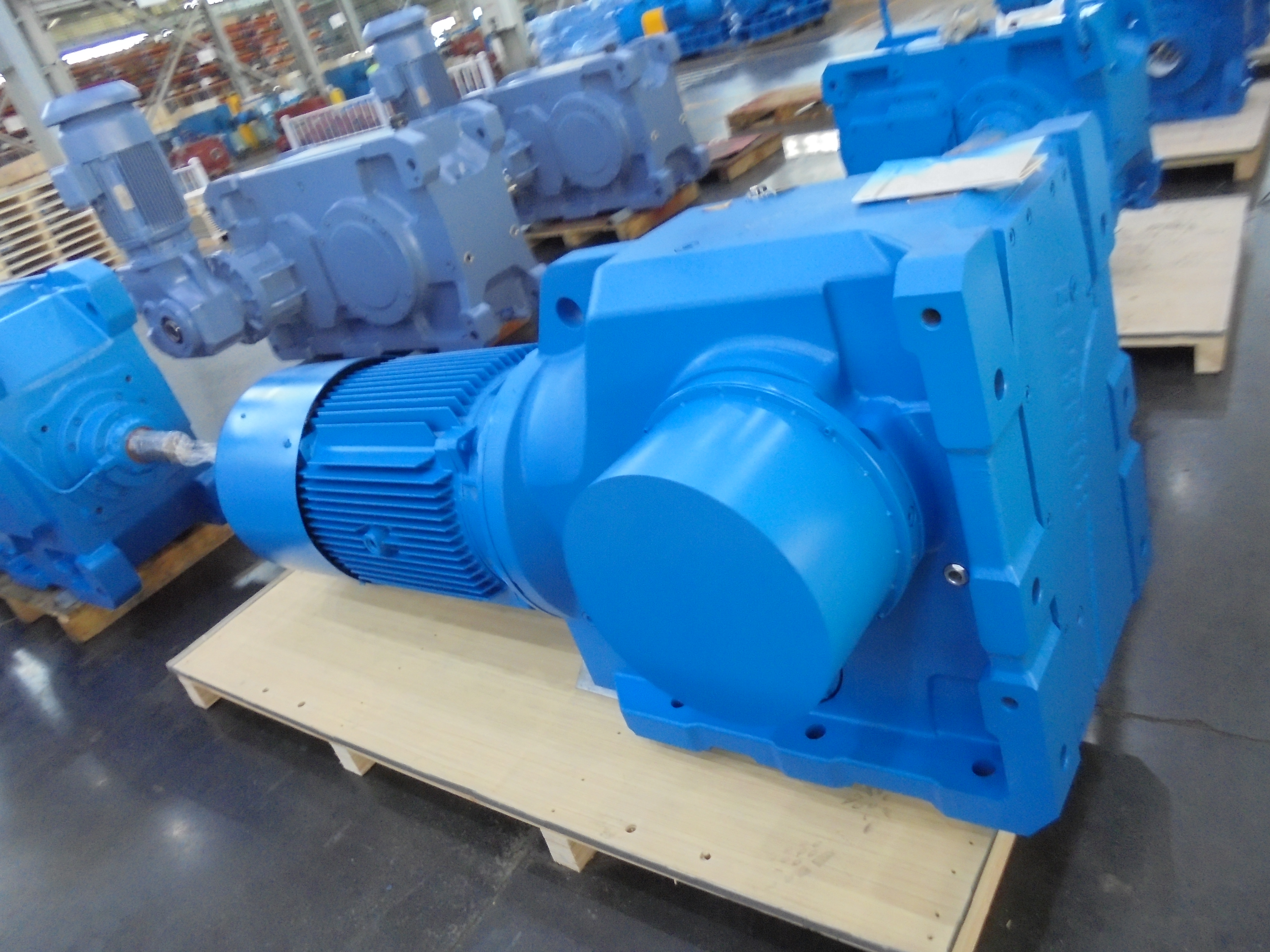
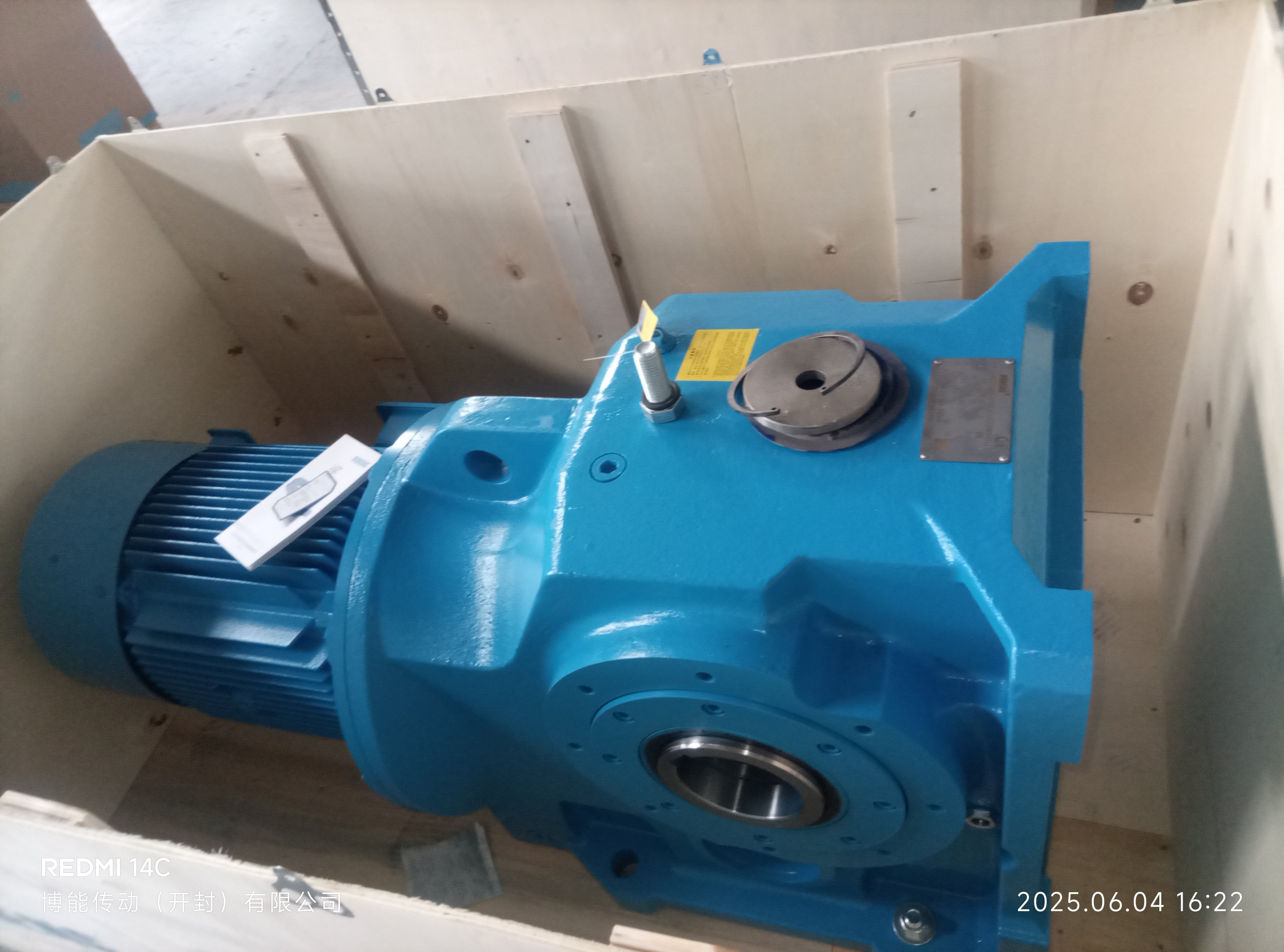
A marine gearbox serves as the critical transmission system that connects a vessel's engine to its propeller, enabling efficient power transfer and speed control in maritime applications. This sophisticated mechanical device transforms the high-speed, low-torque output from marine engines into the low-speed, high-torque rotation required for optimal propeller performance. The marine gearbox functions as an essential component in virtually all powered watercraft, from small recreational boats to massive commercial vessels and military ships. The primary function of a marine gearbox involves speed reduction, typically reducing engine RPM from ranges of 1500-3000 down to propeller speeds of 100-600 RPM. This speed conversion maximizes propeller efficiency while protecting the engine from excessive load. Modern marine gearbox designs incorporate advanced gear ratios, allowing operators to select the most suitable reduction ratio for their specific vessel requirements and operating conditions. Technological features of contemporary marine gearbox systems include robust construction materials such as hardened steel gears, bronze or aluminum housings, and precision-engineered bearings designed to withstand harsh marine environments. Many units feature integrated clutch systems that enable smooth engagement and disengagement of power transmission, while advanced models incorporate hydraulic or pneumatic control systems for remote operation from the bridge. The marine gearbox also provides reverse capability through dedicated reverse gear sets, eliminating the need for variable pitch propellers in many applications. Applications span across recreational boating, commercial fishing vessels, cargo ships, passenger ferries, naval vessels, and offshore support craft. Each application demands specific performance characteristics, leading manufacturers to develop specialized marine gearbox variants optimized for different vessel types, power ranges, and operational requirements, ensuring reliable power transmission in demanding maritime conditions.

New Product Releases

The marine gearbox delivers significant advantages that directly impact vessel performance, operational efficiency, and long-term reliability for boat owners and operators. One primary benefit involves enhanced fuel efficiency through optimal engine operation. The marine gearbox allows engines to operate at their most efficient RPM ranges while providing appropriate propeller speeds, resulting in reduced fuel consumption and lower operating costs. This efficiency translates into substantial savings over the vessel's operational lifetime, particularly important for commercial operators managing tight profit margins. Reliability represents another crucial advantage of quality marine gearbox systems. These units undergo rigorous testing and feature robust construction that withstands constant exposure to vibration, moisture, and varying load conditions inherent in marine environments. This durability minimizes unexpected breakdowns and reduces maintenance requirements, ensuring vessels remain operational when needed most. The marine gearbox also provides superior control capabilities that enhance vessel maneuverability and safety. Smooth engagement and disengagement allow operators to precisely control power delivery during docking, anchoring, and navigation in tight spaces. The integrated reverse functionality enables quick direction changes without complex propeller systems, improving overall vessel handling characteristics. Installation flexibility offers practical benefits for boat builders and retrofit applications. Modern marine gearbox designs accommodate various engine configurations and mounting arrangements, simplifying integration into different vessel layouts. This versatility reduces installation time and costs while providing options for optimizing weight distribution and space utilization. Maintenance advantages include accessible service points, standardized components, and predictable service intervals that enable proactive maintenance scheduling. Quality marine gearbox units feature user-friendly designs that allow routine servicing without specialized tools or extensive disassembly. This accessibility reduces maintenance costs and minimizes vessel downtime. The marine gearbox also protects expensive propulsion components by absorbing shock loads and vibrations that could otherwise damage engines or propeller systems. This protective function extends the service life of related components, reducing overall system replacement costs and improving long-term value for vessel owners.

Tips And Tricks

A Warm Invitation to Visit Our Manufacturing Base

15

Jan

A Warm Invitation to Visit Our Manufacturing Base

View More
Precision Quality Control: Safeguarding High-Precision Heavy-Duty Gear Transmission Release Date: August 20 , 2025

15

Jan

Precision Quality Control: Safeguarding High-Precision Heavy-Duty Gear Transmission Release Date: August 20 , 2025

View More
R&D Innovation Upgrade: Focus on Heavy-Duty Conditions, Empower Transmission Tech Breakthroughs

15

Jan

R&D Innovation Upgrade: Focus on Heavy-Duty Conditions, Empower Transmission Tech Breakthroughs

View More

Get a Free Quote

Our representative will contact you soon.
Email
Name
Company Name
Message
0/1000

marine gearbox

Advanced Gear Ratio Technology for Optimal Performance

Advanced Gear Ratio Technology for Optimal Performance

The marine gearbox incorporates sophisticated gear ratio technology that represents a fundamental advancement in marine propulsion efficiency and performance optimization. This advanced system utilizes precision-engineered gear sets designed to provide the exact speed reduction ratios required for different vessel types and operating conditions. The gear ratio technology within a marine gearbox typically offers multiple configuration options, ranging from 1.5:1 for high-speed applications to 4:1 or higher for heavy displacement vessels requiring maximum torque multiplication. This flexibility allows vessel designers and operators to select the optimal ratio that matches their specific propeller requirements, engine characteristics, and performance objectives. The engineering behind these gear ratios involves complex calculations that consider propeller diameter, pitch, vessel displacement, desired cruising speed, and engine power curves. Modern marine gearbox gear ratio systems feature helical or herringbone gear designs that provide smoother operation, reduced noise levels, and improved load distribution compared to traditional straight-cut gears. These advanced gear configurations minimize vibration transmission to the hull while maximizing power transfer efficiency, often achieving efficiency rates exceeding 97 percent. The precision manufacturing processes used in creating these gear sets ensure consistent performance and extended service life, with many marine gearbox units operating reliably for decades with proper maintenance. The gear ratio technology also enables optimal propeller selection, allowing operators to choose larger, more efficient propellers that operate at lower RPM for improved fuel economy and reduced cavitation. This capability proves particularly valuable in commercial applications where fuel costs represent significant operational expenses. Additionally, the advanced gear ratio systems in marine gearbox units provide consistent performance across varying load conditions, maintaining efficiency whether the vessel operates at full load or light displacement. This consistency ensures predictable performance characteristics that operators can rely on for trip planning and fuel budgeting, making the marine gearbox an invaluable component for professional maritime operations.
Integrated Clutch System for Superior Control and Safety

Integrated Clutch System for Superior Control and Safety

The integrated clutch system within a marine gearbox provides unparalleled control capabilities that significantly enhance vessel safety, maneuverability, and operational convenience for marine operators. This sophisticated system allows smooth engagement and disengagement of power transmission between the engine and propeller, eliminating the jarring impacts and potential damage associated with direct drive systems. The clutch mechanism in a marine gearbox typically employs either wet multi-plate or cone clutch designs, both engineered specifically for marine applications where smooth operation and reliable performance are paramount. The wet multi-plate system utilizes multiple friction plates immersed in oil, providing gradual engagement that prevents shock loading of drivetrain components while ensuring consistent performance across varying operating temperatures and conditions. The integrated nature of this clutch system means operators can seamlessly transition between forward, neutral, and reverse operations without engine shutdown or complex procedures. This capability proves invaluable during docking operations, emergency stops, or when maneuvering in congested waterways where precise control is essential for safety. The marine gearbox clutch system responds instantly to control inputs, allowing operators to quickly disengage power when unexpected obstacles appear or when immediate stopping becomes necessary. Beyond safety considerations, the integrated clutch system provides significant operational advantages that improve vessel efficiency and component longevity. The gradual engagement characteristics reduce stress on engine mounts, propeller shafts, and hull structures, extending the service life of these expensive components. This protection becomes particularly important in commercial applications where component replacement costs and downtime directly impact profitability. The clutch system also enables engine warm-up procedures without propeller engagement, allowing operators to bring engines to optimal operating temperature while maintaining stationary position. This capability proves essential in cold weather operations or when precise positioning is required. Modern marine gearbox clutch systems often incorporate hydraulic or pneumatic actuation that enables remote operation from the bridge or helm station, providing convenience and improved visibility during critical maneuvering situations. The reliability of these integrated clutch systems ensures consistent performance over thousands of engagement cycles, making the marine gearbox a dependable choice for demanding maritime applications.
Robust Construction for Extreme Marine Environment Durability

Robust Construction for Extreme Marine Environment Durability

The robust construction methodology employed in marine gearbox manufacturing represents a critical differentiator that ensures reliable operation in the harshest marine environments where conventional transmission systems would fail. This construction approach utilizes premium materials, advanced manufacturing techniques, and specialized design features specifically engineered to withstand the unique challenges of maritime service including constant vibration, salt water exposure, temperature fluctuations, and varying load conditions. The housing of a marine gearbox typically employs cast aluminum, bronze, or specially treated steel alloys that provide exceptional corrosion resistance while maintaining structural integrity under extreme operating stresses. These materials undergo specialized treatments such as anodizing, powder coating, or marine-grade protective finishes that create barrier layers preventing electrolytic corrosion and extending service life significantly beyond standard industrial applications. Internal components of the marine gearbox utilize hardened steel gears manufactured to aerospace-grade tolerances, ensuring precise tooth engagement and load distribution even under maximum power conditions. The gear manufacturing process involves case hardening techniques that create extremely durable surface layers while maintaining tough, shock-resistant cores capable of absorbing impact loads without fracturing. Bearing systems within the marine gearbox employ premium roller or ball bearings designed specifically for marine service, featuring enhanced sealing systems that prevent water ingress while accommodating the thermal expansion and contraction cycles common in marine applications. These specialized bearings often incorporate ceramic or advanced steel alloys that provide superior resistance to corrosion and wear compared to standard industrial bearings. The lubrication systems in marine gearbox construction utilize advanced oil circulation designs with integrated filtration systems that maintain optimal lubricant cleanliness and temperature control. Many units feature external oil coolers and sophisticated monitoring systems that provide early warning of potential issues before they result in component failure. Sealing systems represent another critical aspect of robust marine gearbox construction, employing multiple barrier systems including lip seals, O-rings, and gaskets manufactured from materials specifically formulated for marine service. These sealing systems prevent water ingress while accommodating the movement and thermal cycling inherent in marine operations, ensuring long-term reliability that vessel owners can depend on for years of trouble-free service.

Get a Free Quote

Our representative will contact you soon.
Email
Name
Company Name
Message
0/1000