תיבה היגוי תחנת כוח
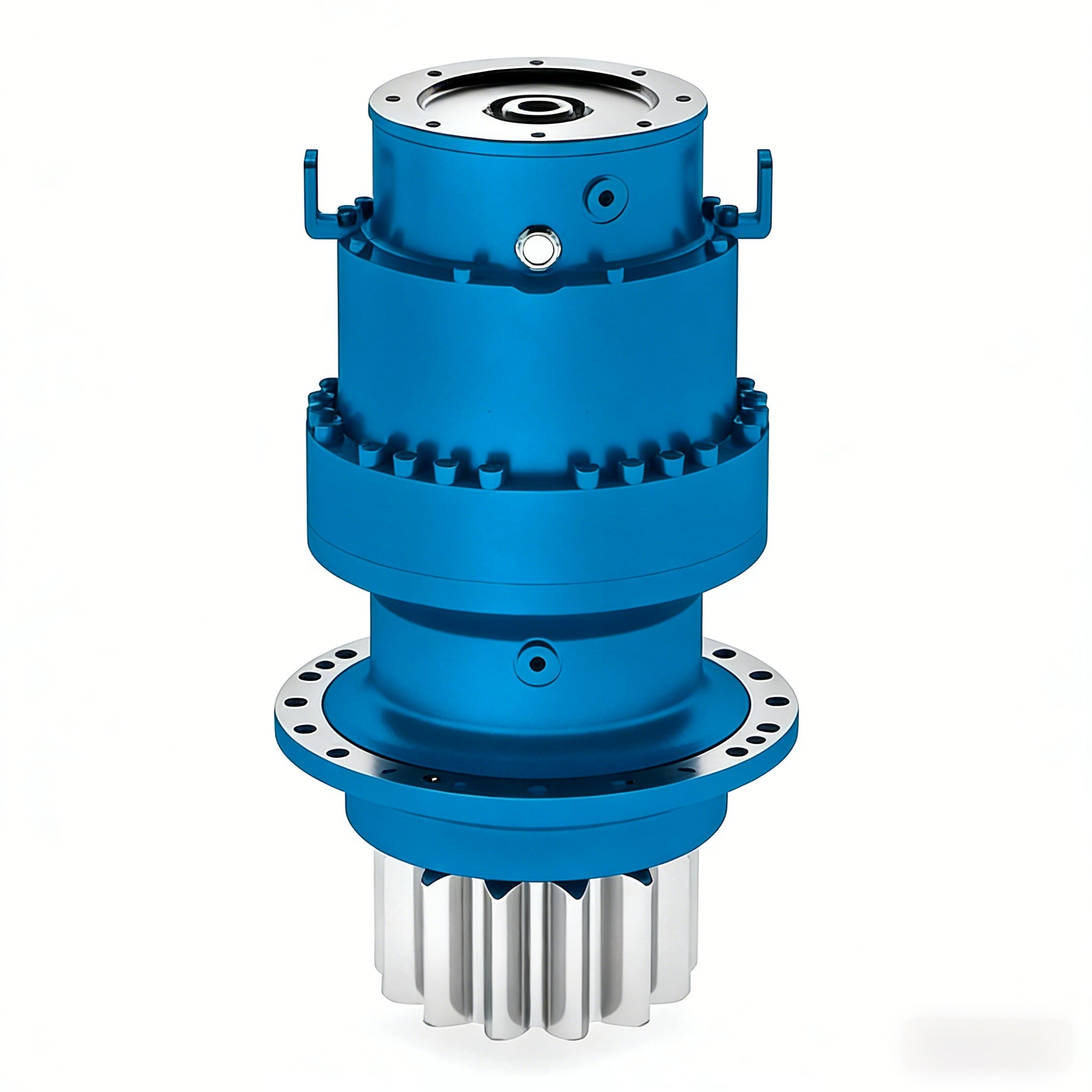
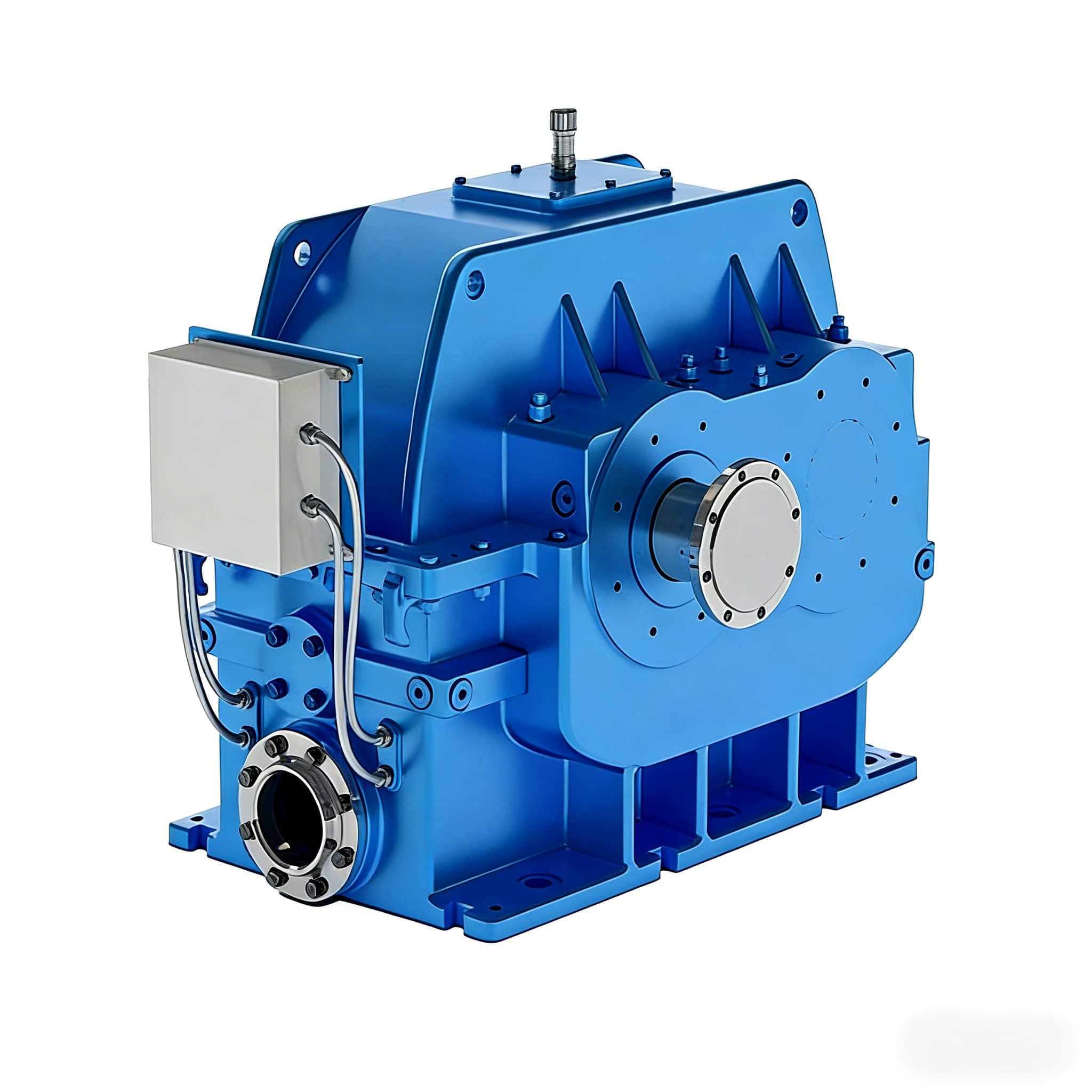
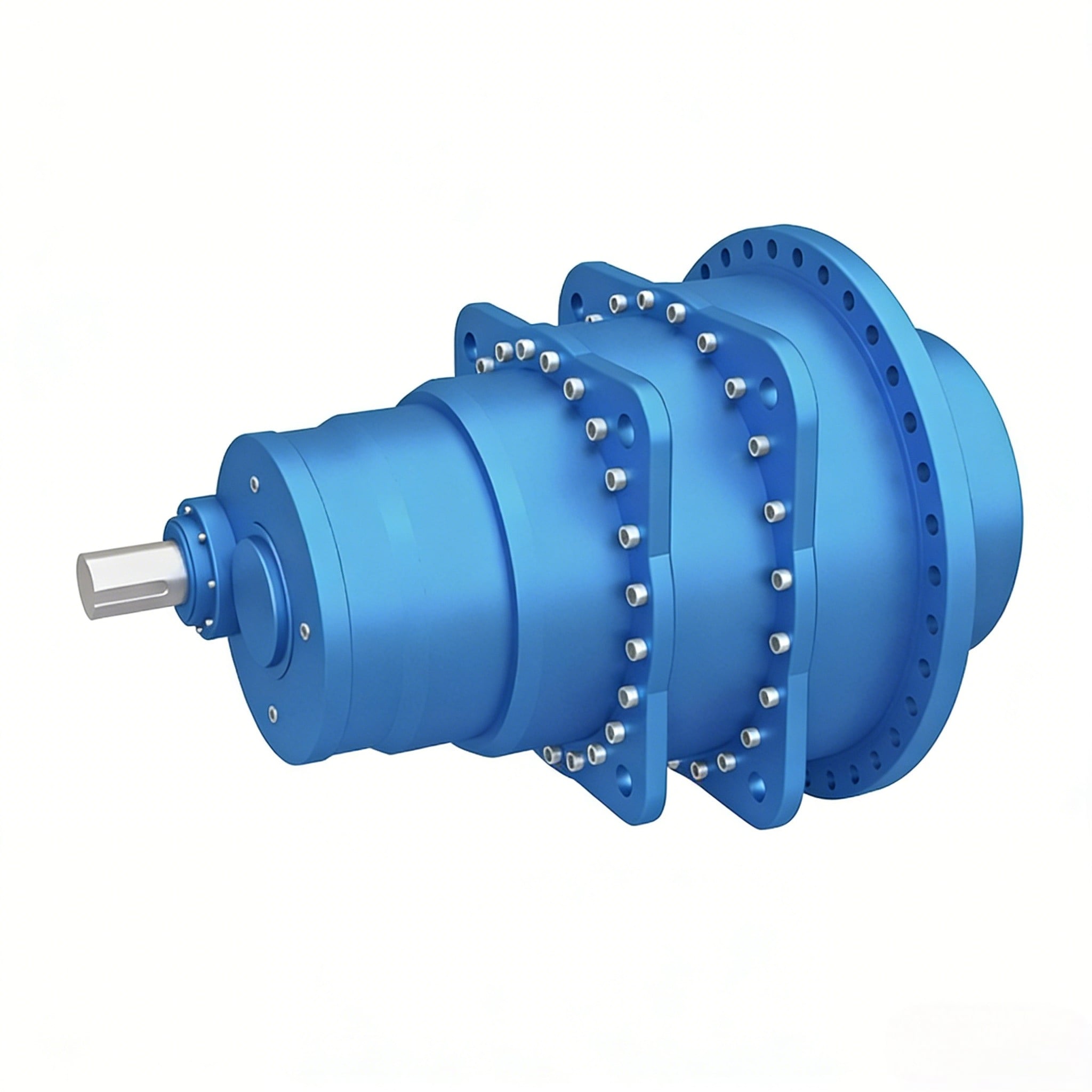
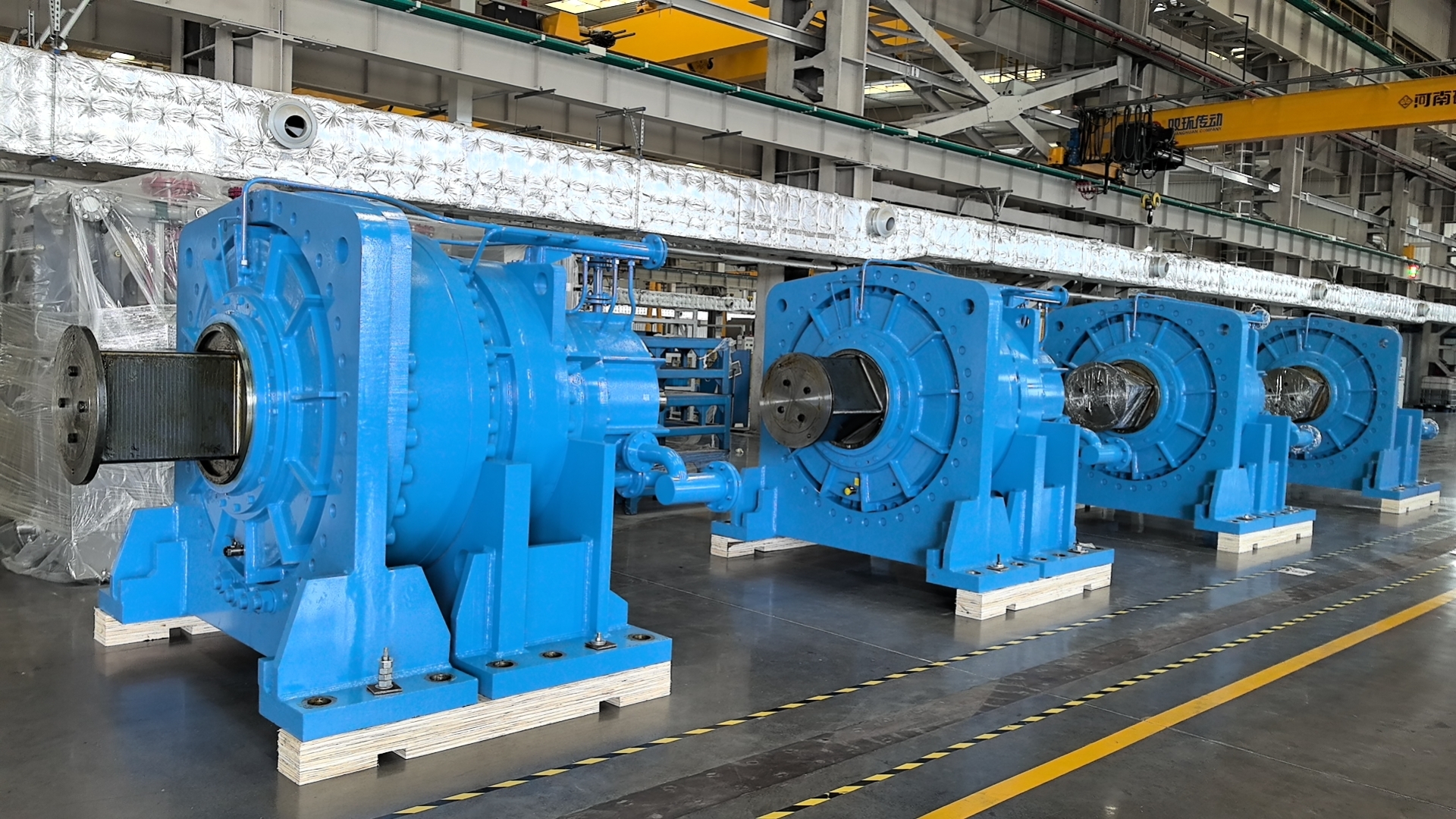
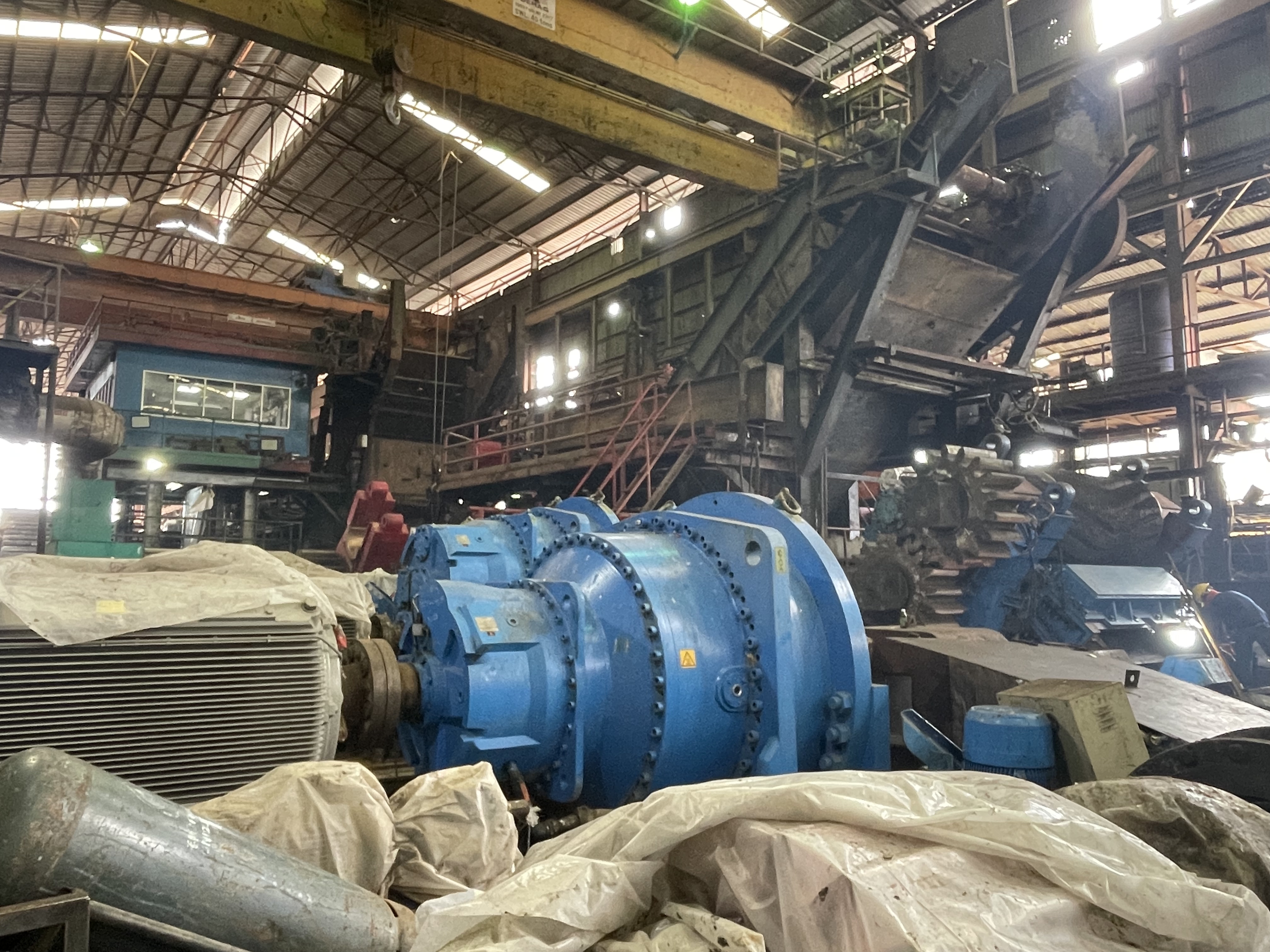
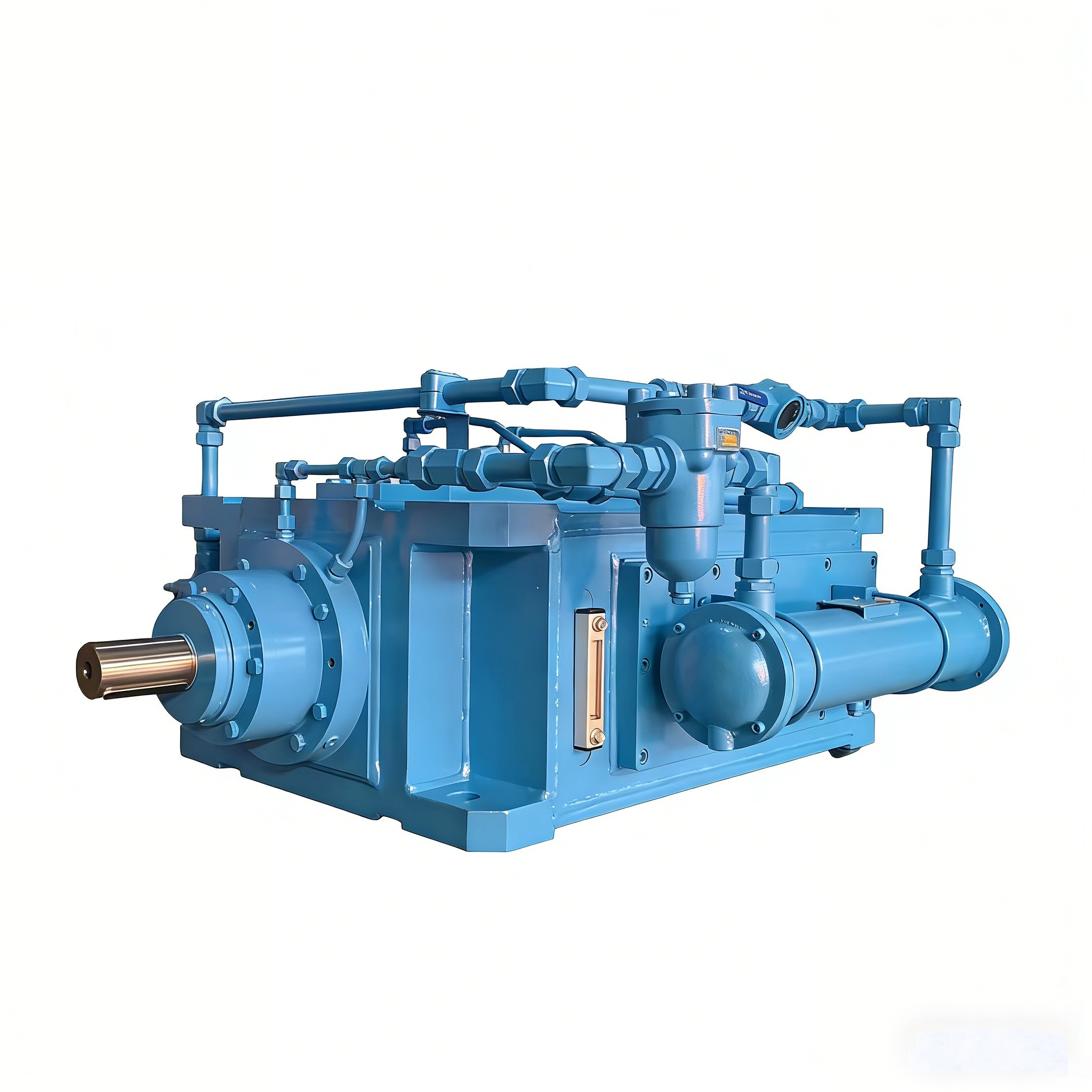
תיבה הפעלה של תחנת כוח משמשת כרכיב מכני קריטי שמעביר אנרגיה בין מערכות מכונות מסתובבות במתקני ייצור חשמל. מערכת ההעברה המורכבת הזו פועלת על ידי המרה של מהירויות ומומנטי סיבוב קלט כדי להתאים את דרישות הפעולה הספציפיות של מولدים, טורבינות וציוד עזר. תיבת ההפעלה של תחנת הכוח פועלת כקישור חיוני בין המניעים הראשיים למولدים החשמליים, ומבטיחה ביצוע אופטימלי בתנאי פעולה מגוונים. התכנון המודרני של תיבות הפעלה לתחנות כוח כולל עקרונות הנדסיים מתקדמים כדי להתמודד עם עומסים קיצוניים תוך שמירה על יחס מהירויות מדויק. מערכות ההעברה העקביות הללו כוללות מספר שלבים של גלגלי שיניים שמאפשרים הפחתה או הגברה משמעותית של המהירות, בהתאם לצרכים היישומיים. תיבת ההפעלה של תחנת הכוח מורכבת בדרך כלל מגלגלים מפורקים במדויק, מסבבים בעלי עמידות גבוהה, מערכות שמייה ומעטפות הגנה שתוכננו כדי לעמוד בסביבות תעשייתיות קשות. מאפיינים טכנולוגיים מרכזיים כוללים בנייה מאלומיניום בעל חוזק גבוה, תהליכי טיפול حراري מתקדמים, ואופטימיזציה של תכנון בעזרת מחשב כדי להשיג יעילות מקסימלית. מערכת ההעברה מתמזגת באופן חלק למערכות הבקרה, ומאפשרת ניטור מרחוק והפעלה אוטומטית. היישומים שלה משתרעים על פני טכנולוגיות ייצור חשמל מגוונות, לרבות פרקי רוח, מתקני הידרו-אלקטריות, תחנות כוח תרמיות ומתקני מחזור משולב. כל תיבת הפעלה של תחנת כוח עוברת בדיקות קפדניות כדי לעמוד בסטנדרטים הקשיחים של התעשייה בנוגע לאמינות ול בטיחות. מערכת ההעברה מתייחסת לדרישות עומס משתנות תוך שמירה על מאפייני פלט עקביים אשר נדרשים לייצוב הרשת החשמלית. דגמים מתקדמים של תיבות הפעלה לתחנות כוח כוללים יכולות ניטור מצב, המאפשרות תכנון תחזוקה חיזויית ואופטימיזציה של הפעולה. מערכות אלו מפגינות עמידות יוצאת דופן במהלך פעילות רציפה, ותומכות בדרישות ייצור עומס בסיסי ועומס שיא בצורה יעילה.

 EN
EN