
 EN
EN


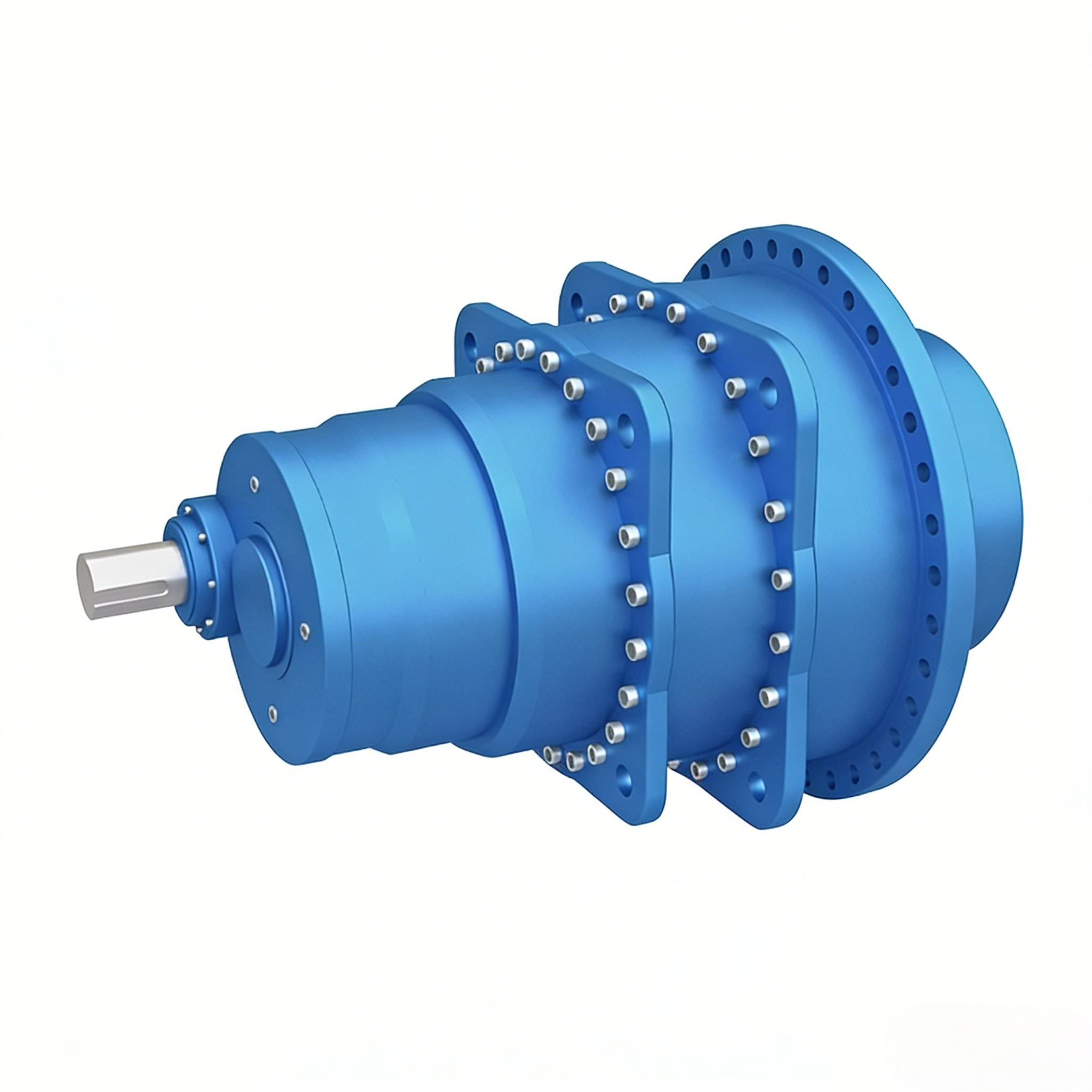
An industrial gearbox stands as one of the most critical components in heavy-duty machinery, directly influencing operational efficiency, equipment lifespan, and production continuity. Selecting a reliable industrial gearbox requires understanding the defining characteristics that separate premium equipment from standard alternatives. The distinction lies not merely in price but in engineering precision, material quality, thermal management capability, and proven track record under extreme operating conditions. A truly reliable industrial gearbox delivers consistent torque transmission, maintains tight tolerances across temperature variations, resists fatigue-induced failures, and operates with minimal maintenance demands. Organizations that invest in authentic industrial gearbox quality experience reduced downtime, lower total cost of ownership, and predictable performance metrics essential for heavy-duty environments.

Heavy-duty industrial gearbox applications demand more than theoretical specifications. Real-world performance depends on material composition, manufacturing precision, thermal design, and operational safeguards built into the system. An industrial gearbox engineered for heavy duty must handle sustained high-torque loading, rapid acceleration cycles, temperature fluctuations, shock loads, and contaminated environments. The reliability of an industrial gearbox becomes apparent only through extended operational testing, field experience data, and honest assessment of failure modes under realistic stress conditions.
Material Composition and Manufacturing Precision
Gear Material Selection and Metallurgical Standards
The foundation of any reliable industrial gearbox begins with proper material selection. Premium industrial gearbox manufacturers specify alloy steels formulated to resist pitting, scoring, and tooth fracture under sustained heavy-duty loading. The industrial gearbox must utilize case-hardened gears with carburized surfaces reaching specific hardness targets, typically 58–62 HRC on tooth flanks, combined with tougher core material resistant to bending stress. An industrial gearbox built from lesser materials may function acceptably during light operation but fails catastrophically when heavy-duty loads appear unexpectedly. Material traceability, chemical composition verification, and batch testing represent non-negotiable quality markers for a reliable industrial gearbox serving demanding applications.
Gear Tooth Geometry and Manufacturing Tolerances
A reliable industrial gearbox maintains extraordinarily tight tolerances on gear tooth profiles. The industrial gearbox must exhibit minimal runout, precise pitch spacing, and accurate pressure angles to distribute loading evenly across multiple teeth simultaneously. Sloppy manufacturing produces an industrial gearbox where load concentrates on individual teeth, triggering premature wear and unexpected failures. Modern industrial gearbox production employs coordinate measurement machines, profile grinding, and advanced inspection protocols to verify every critical dimension. The industrial gearbox that consistently meets or exceeds ISO 6336 or AGMA standards demonstrates the manufacturing discipline necessary for heavy-duty reliability. Tooth surface finish, measured in microinches or micrometers, directly affects the industrial gearbox performance during high-speed operation by reducing friction losses and heat generation.
Thermal Management and Heat Dissipation Capability
Oil Cooling System Design and Temperature Control
An industrial gearbox operating under heavy-duty conditions generates substantial internal friction heat that must be managed effectively. A reliable industrial gearbox incorporates strategically designed oil circulation paths, adequate sump capacity, and often external cooling systems to maintain operating temperatures within safe limits. The industrial gearbox fails rapidly when lubricant temperature exceeds design boundaries because oil viscosity drops, additive packages degrade, and gear teeth lose protective film. High-performance industrial gearbox designs employ baffle plates, oil spray nozzles, and thermostatic cooling controls to maintain consistent temperature profiles. An industrial gearbox specified for heavy-duty service should include temperature monitoring capabilities, automatic cooling activation at preset thresholds, and generous heat dissipation surface area relative to power throughput. The industrial gearbox that struggles thermally under continuous operation signals inadequate design or undersizing for the intended application.
Lubricant Selection and Performance Specifications
The industrial gearbox relationship with its lubricant proves absolutely critical to long-term reliability. A reliable industrial gearbox demands premium synthetic or highly refined mineral oils meeting or exceeding AGMA 9005-E09 or ISO VG specifications appropriate to operating speeds and loads. The industrial gearbox must employ oil with robust anti-wear additives, oxidation inhibitors, and corrosion protection compounds formulated specifically for gear protection. Lesser lubricants allow an industrial gearbox to deteriorate prematurely despite sound mechanical design. The industrial gearbox manufacturer typically specifies acceptable oil brands and properties; following these recommendations directly impacts the industrial gearbox service life. Oil analysis programs monitoring viscosity, particle counts, acid number, and ferrous wear metals provide early warning when an industrial gearbox begins experiencing internal stress or accelerated wear patterns.
Bearing Support Systems and Load Distribution
Bearing Selection and Installation Standards
An industrial gearbox carries input and output shaft loads through precision rolling-element bearings that must exhibit flawless operation under heavy-duty stress. A reliable industrial gearbox uses tapered roller bearings or cylindrical roller bearings selected for specific load ratings, speed capabilities, and bearing life calculations meeting or exceeding 10,000 operating hours minimum. The industrial gearbox bearing preload, arrangement geometry, and installation practices directly influence overall system reliability and noise characteristics. Improper bearing selection creates an industrial gearbox vulnerable to premature failure through spalling, cage wear, or race distress. The industrial gearbox that maintains proper bearing preload, alignment, and lubrication exhibits dramatically longer operational life than equipment with marginal bearing specifications.
Shaft Design and Stress Analysis
The shafts supporting gears within an industrial gearbox experience combined bending, torsional, and contact stresses demanding meticulous engineering. A reliable industrial gearbox employs finite element analysis to predict shaft stress concentration points and ensure adequate safety factors under peak transient loads. The industrial gearbox shaft must feature appropriate fillet radii, surface finish quality, and material selection to prevent fatigue crack initiation. Heavy-duty industrial gearbox applications require shaft surface treatments like shot peening or nitriding to enhance fatigue resistance and extend the operational envelope. The industrial gearbox designer balances shaft rigidity against size and weight considerations; excessive deflection produces an industrial gearbox where gear mesh geometry deteriorates during operation, creating misalignment wear patterns and noise.
Mechanical Seals and Environmental Protection
Seal System Integrity and Contamination Prevention
An industrial gearbox operating in harsh environments faces constant assault from moisture, dust, chemical vapors, and thermal cycling that compromise protective barriers. A reliable industrial gearbox employs multi-stage sealing systems combining mechanical seals at rotating shafts with static gaskets at housing interfaces. The industrial gearbox seal must prevent lubricant leakage while excluding external contamination that accelerates wear and promotes corrosion. Premium industrial gearbox designs include labyrinth pre-seals, felt rings, and magnetic drain plugs to capture ferrous particles before they circulate through gear meshes. The industrial gearbox operating in marine environments, food processing facilities, or chemical plants demands enhanced seal specifications and more frequent inspection protocols than standard industrial gearbox applications.
Housing Structural Integrity and Vibration Isolation
The cast-iron or ductile-iron housing supporting an industrial gearbox must possess rigidity, damping characteristics, and structural integrity to contain forces without cracking. A reliable industrial gearbox features properly ribbed housing design that minimizes resonance peaks and distributes dynamic loads effectively. The industrial gearbox housing must incorporate drain provisions for sediment removal, inspection ports for internal observation, and mounting surfaces designed for precision alignment with driven equipment. Heavy-duty industrial gearbox housings often employ elastomeric isolators or spring mounts to decouple vibration transmission to supporting structures. The industrial gearbox exhibiting sudden cracking, persistent oil seepage, or unexpected noise typically indicates housing fatigue or misalignment issues requiring immediate investigation.
Performance Verification and Operational Testing
Reputable industrial gearbox manufacturers conduct comprehensive testing protocols before releasing equipment for commercial service. These testing regimens include no-load efficiency verification, full-load temperature rise measurement, noise analysis, shock load capability assessment, and extended run-in periods under controlled conditions. A reliable industrial gearbox demonstrates consistent performance metrics, stable operating temperatures, and predictable noise signatures throughout accelerated testing sequences. Field reliability data collected from thousands of operating units provides compelling evidence of industrial gearbox durability and identifies any emerging failure patterns. The industrial gearbox backed by genuine warranty coverage, technical support, and documented service history commands premium valuation because buyers understand the reduced risk profile compared to economy alternatives.
Selecting an industrial gearbox for heavy-duty applications requires diligent evaluation of material specifications, thermal design adequacy, bearing system architecture, seal integrity, and manufacturing quality demonstrated through testing and field performance. Organizations succeeding with industrial gearbox deployments invest time understanding these fundamental reliability drivers rather than pursuing lowest-cost procurement strategies.
FAQ
What maintenance intervals apply to a reliable industrial gearbox?
A reliable industrial gearbox typically requires oil analysis every 500–1000 operating hours, lubricant changes at 2000–5000 hours depending on environmental severity, and bearing inspections annually. Temperature monitoring, seal condition checks, and noise assessment should occur regularly throughout operational life. Manufacturers provide specific maintenance schedules for each industrial gearbox model accounting for duty cycle, ambient conditions, and application severity.
Can an industrial gearbox be repaired or must it be replaced after failure?
Many industrial gearbox failures permit cost-effective repair through component replacement if detected early. However, catastrophic failures involving cracked housings, severely spalled bearings, or fractured shafts typically require industrial gearbox replacement because repair costs approach new equipment pricing. The industrial gearbox exhibiting noise escalation or temperature rise should be serviced immediately to prevent progression from repairable damage to terminal failure requiring full replacement.
How does efficiency factor into industrial gearbox reliability assessment?
An industrial gearbox exhibiting high efficiency indicates minimal internal friction losses, proper lubrication conditions, and minimal tooth wear accumulation. Efficiency degradation often signals developing industrial gearbox problems like bearing wear, gear pitting initiation, or seal compromise allowing moisture intrusion. Monitoring efficiency trends provides early warning of emerging industrial gearbox issues before catastrophic failure occurs, enabling proactive maintenance planning.