
 EN
EN


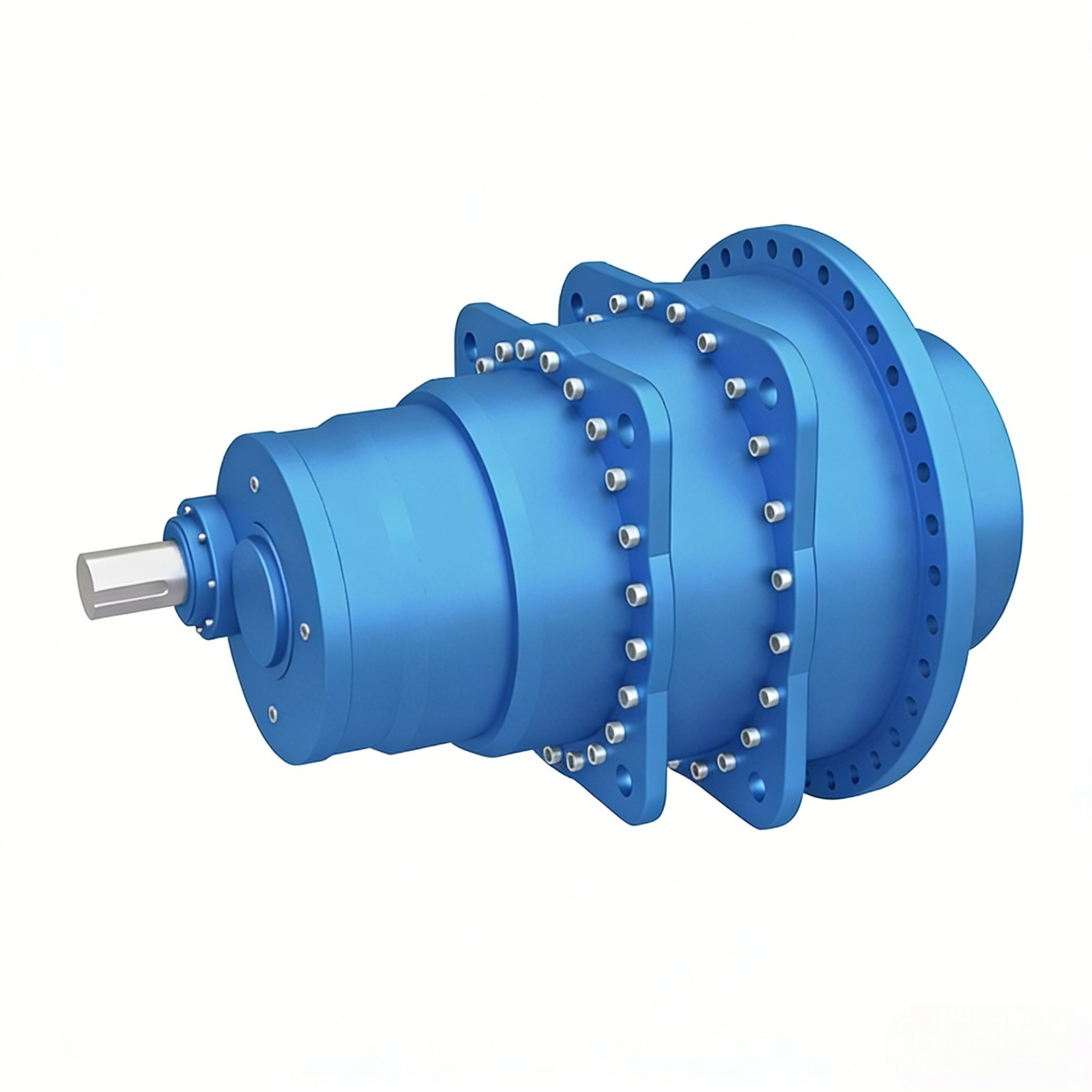
Selecting the right industrial gearbox for complex systems is one of the most critical decisions in machinery design and maintenance. An industrial gearbox serves as the backbone of power transmission, converting motor speed and torque to match the specific demands of your application. When systems operate under high stress, variable loads, or demanding environmental conditions, the consequences of choosing the wrong industrial gearbox can be catastrophic. Downtime, equipment failure, safety hazards, and excessive maintenance costs quickly accumulate when an industrial gearbox is not properly matched to system requirements. Understanding how to evaluate and select an industrial gearbox ensures operational reliability, extends equipment life, and maximizes return on investment across your facility.

The process of choosing an industrial gearbox involves far more than simply matching horsepower ratings. Complex systems demand a thorough analysis of torque transmission requirements, speed ratios, duty cycles, environmental factors, and integration constraints. Each industrial gearbox type offers distinct advantages and limitations depending on whether your application requires parallel shaft, right-angle, or inline configurations. Load characteristics, thermal management, noise levels, and maintenance accessibility all influence the final selection. This comprehensive guide walks you through the essential factors that determine whether an industrial gearbox will succeed or fail in your specific application, helping you make informed decisions with confidence.
Assessing Your System Demands and Industrial Gearbox Requirements
Understanding Torque and Speed Specifications
Every industrial gearbox operates within defined torque and speed parameters that must align precisely with your system's operational profile. Begin by calculating the exact torque requirement at the output shaft, accounting for peak loads, shock loads, and sustained operating conditions. The industrial gearbox you select must handle not only average operating torque but also transient spikes that occur during startup, sudden load changes, or emergency stops. Speed ratio determines how an industrial gearbox reduces input motor speed to the required output speed, directly influencing torque multiplication. If your industrial gearbox receives 1500 RPM input and requires 300 RPM output, the ratio becomes 5:1, multiplying input torque by approximately five times. Accurately defining these specifications prevents selecting an undersized industrial gearbox that fails under load or an oversized industrial gearbox that wastes energy and space.
Evaluating Duty Cycle and Load Profile
Duty cycle classification fundamentally shapes industrial gearbox selection because different applications impose radically different stress patterns. Continuous-duty applications require an industrial gearbox designed for sustained operation, prioritizing thermal management and long-term durability. Intermittent-duty systems allow shorter-duration industrial gearbox operation with recovery periods, sometimes permitting lower thermal ratings. Shock-load applications demand an industrial gearbox with robust gear teeth and strengthened housing to absorb sudden impacts without fracturing. Reversing-duty operations where an industrial gearbox frequently changes direction require special attention to bearing design and lubrication distribution. Understanding whether your industrial gearbox operates smoothly with gradual load changes or experiences frequent starts, stops, and direction reversals helps determine the appropriate gear material, tooth profile, and design safety factor for your unique application.
Technical Specifications and Performance Factors for Industrial Gearbox Selection
Gear Type and Configuration Alignment
An industrial gearbox comes in multiple configurations, each suited to specific spatial and performance requirements within your machinery. Spur gears represent the most common industrial gearbox type, offering high efficiency and simple parallel-shaft mounting suitable for many applications. Helical gear industrial gearbox designs provide smoother operation with lower noise and vibration compared to spur configurations, though they generate higher axial loads requiring thrust bearings. Bevel gear industrial gearbox units handle right-angle power transmission where input and output shafts intersect, common in vertical applications or confined spaces. Worm gear industrial gearbox configurations deliver extreme speed reduction ratios in compact sizes but sacrifice efficiency and generate significant heat. Planetary industrial gearbox arrangements provide compact, high-torque solutions in minimal radial space, often appearing in mobile or aerospace-derived applications. Selecting the correct industrial gearbox configuration depends on your available mounting space, required power transmission geometry, and efficiency expectations.
Material Properties and Reliability Factors
The material composition of an industrial gearbox directly determines its load-carrying capacity, fatigue resistance, and operating lifetime. Premium steel industrial gearbox gears undergo specialized heat treatment processes like carburizing and hardening to achieve surface hardness exceeding 58 Rockwell hardness while maintaining tough, ductile core material. Cast iron industrial gearbox housings provide excellent vibration damping and thermal conductivity, dispersing generated heat more effectively than aluminum alternatives. Modern industrial gearbox designs increasingly employ alloy steel compositions selected for specific duty cycles, with different material specifications for high-shock applications versus high-speed, moderate-load scenarios. Surface finish and gear tooth precision grades directly influence an industrial gearbox's noise generation, efficiency, and mesh smoothness. An industrial gearbox manufactured to higher precision grades operates more quietly and efficiently but commands higher purchase prices. Understanding the relationship between material selection, cost, and performance helps you make appropriate industrial gearbox investments aligned with your facility's operational requirements.
Integration, Environment, and Long-Term Operational Considerations
Environmental Compatibility and Maintenance Access
Environmental conditions surrounding your industrial gearbox dramatically affect selection and long-term reliability. Applications exposed to moisture, salt spray, or corrosive atmospheres demand an industrial gearbox with enhanced protective coatings and sealed bearing arrangements to prevent contamination. Temperature extremes require thermal analysis to ensure an industrial gearbox maintains proper lubricant viscosity and material properties throughout the expected operating range. Vibration-intensive environments may necessitate special mounting solutions and reinforced industrial gearbox housing designs to minimize fatigue stress. Accessibility for maintenance profoundly influences the true cost of ownership for any industrial gearbox, as frequent removal, cleaning, and service work adds significant labor expenses over years of operation. Position your industrial gearbox installation in locations that permit straightforward filter changes, bearing inspections, and lubricant drains without requiring extended equipment downtime or specialized rigging equipment.
Thermal Management and Efficiency Optimization
Thermal management capabilities determine whether an industrial gearbox remains within safe operating temperatures during extended duty cycles. Industrial gearbox power loss appears primarily as heat generated through gear mesh friction, bearing drag, and windage losses, with efficiency typically ranging from 92 to 98 percent depending on configuration and condition. Larger industrial gearbox cases dissipate more heat through their external surfaces, benefiting low-duty applications, while high-duty industrial gearbox systems may require forced-air cooling or oil circulation systems. Proper lubricant selection influences industrial gearbox thermal performance significantly, with synthetic oils often providing superior high-temperature stability and lower friction compared to mineral alternatives. Regular inspection of an industrial gearbox operating temperature through thermal imaging or contact measurements helps identify developing problems like bearing wear or contaminated lubricant before catastrophic failure occurs. Some complex systems justify the investment in auxiliary cooling systems to maintain an industrial gearbox within optimal temperature bands, extending service intervals and improving reliability.
FAQ
What is the typical service life expectancy of an industrial gearbox?
A properly selected and maintained industrial gearbox typically operates reliably for 10,000 to 40,000 hours depending on duty cycle severity, environmental conditions, and maintenance practices. Continuous-duty industrial gearbox applications at moderate loads often achieve 20,000+ hours before requiring significant overhaul, while high-shock or heavily contaminated environments may reduce industrial gearbox service life to 5,000 to 10,000 hours. The selection of a quality industrial gearbox with appropriate specifications, combined with regular oil analysis, temperature monitoring, and lubrication management, extends operational life significantly beyond minimum expectations.
How often should an industrial gearbox receive maintenance?h3
Maintenance intervals for an industrial gearbox depend on the specific application, but most operations require oil level checks every 250 operating hours and complete oil changes between 2,000 and 8,000 hours depending on contamination levels and oil degradation rates. The industrial gearbox housing should be inspected for leaks, corrosion, and mechanical damage during each scheduled maintenance visit. Thermal monitoring, vibration analysis, and oil sampling help detect developing problems in an industrial gearbox, allowing corrective action before failure occurs and preventing the catastrophic damage that results from neglected maintenance.
Can a standard industrial gearbox handle variable load applications?
Standard industrial gearbox designs generally accommodate moderate load variation typical of most machinery applications, but extreme variable loading may require a custom industrial gearbox engineered specifically for your load profile. A industrial gearbox designed for your exact application ensures optimal tooth engagement, bearing selection, and housing strength to safely manage your specific torque curves. When standard industrial gearbox options prove inadequate for complex systems with severe load swings, shock impacts, or unusual duty cycles, specialized engineering produces a superior industrial gearbox solution that maximizes reliability while minimizing excess cost.