
 EN
EN


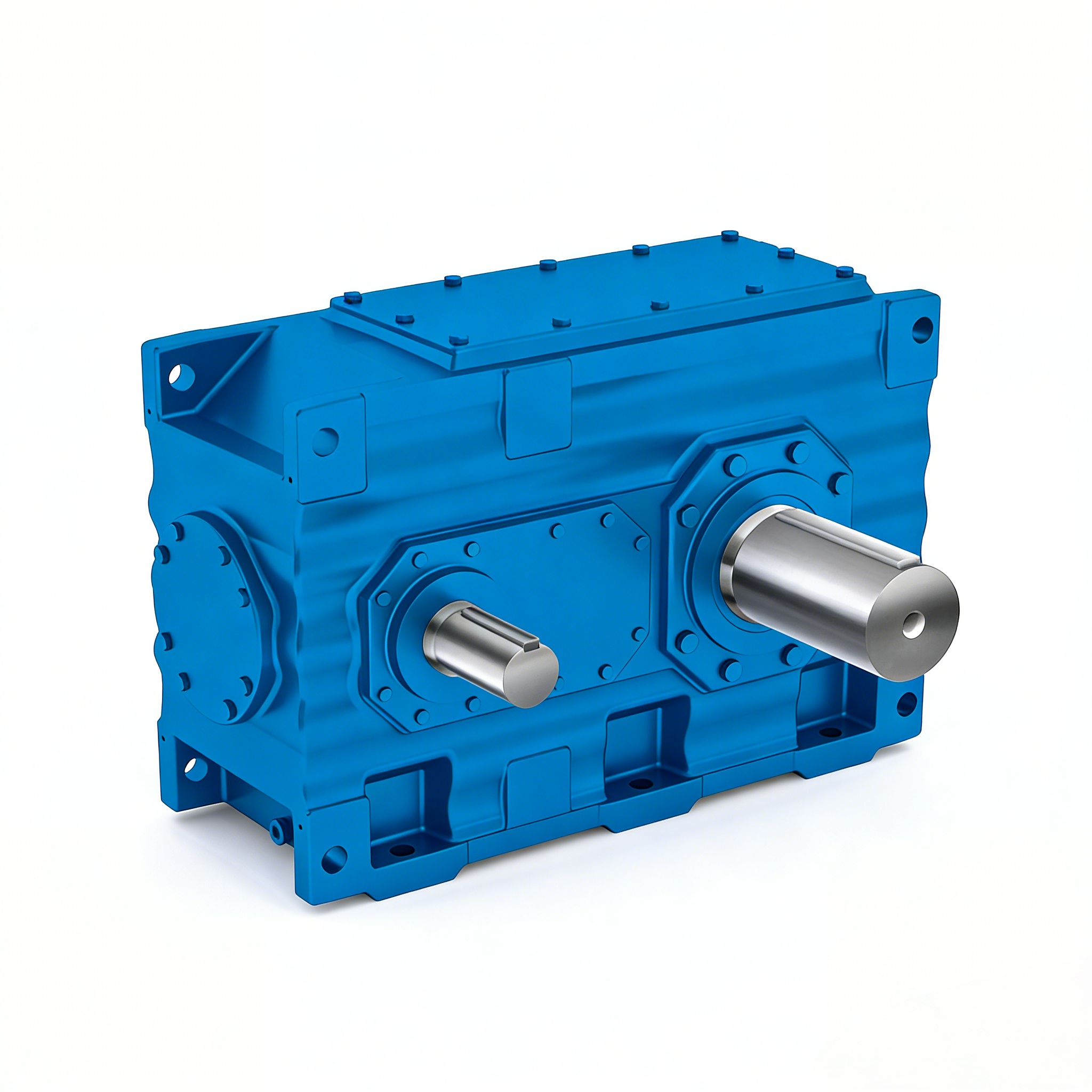
Continuous operation is one of the most demanding scenarios for any industrial agitator, placing sustained mechanical stress on every component within the system. When an agitator runs without interruption, the gear assembly faces relentless torque cycles, thermal cycling, and cumulative wear patterns that differ significantly from intermittent duty applications. Understanding how continuous operation impacts agitator gear life is essential for plant managers, maintenance teams, and engineers who must balance production demands with equipment longevity and reliability.
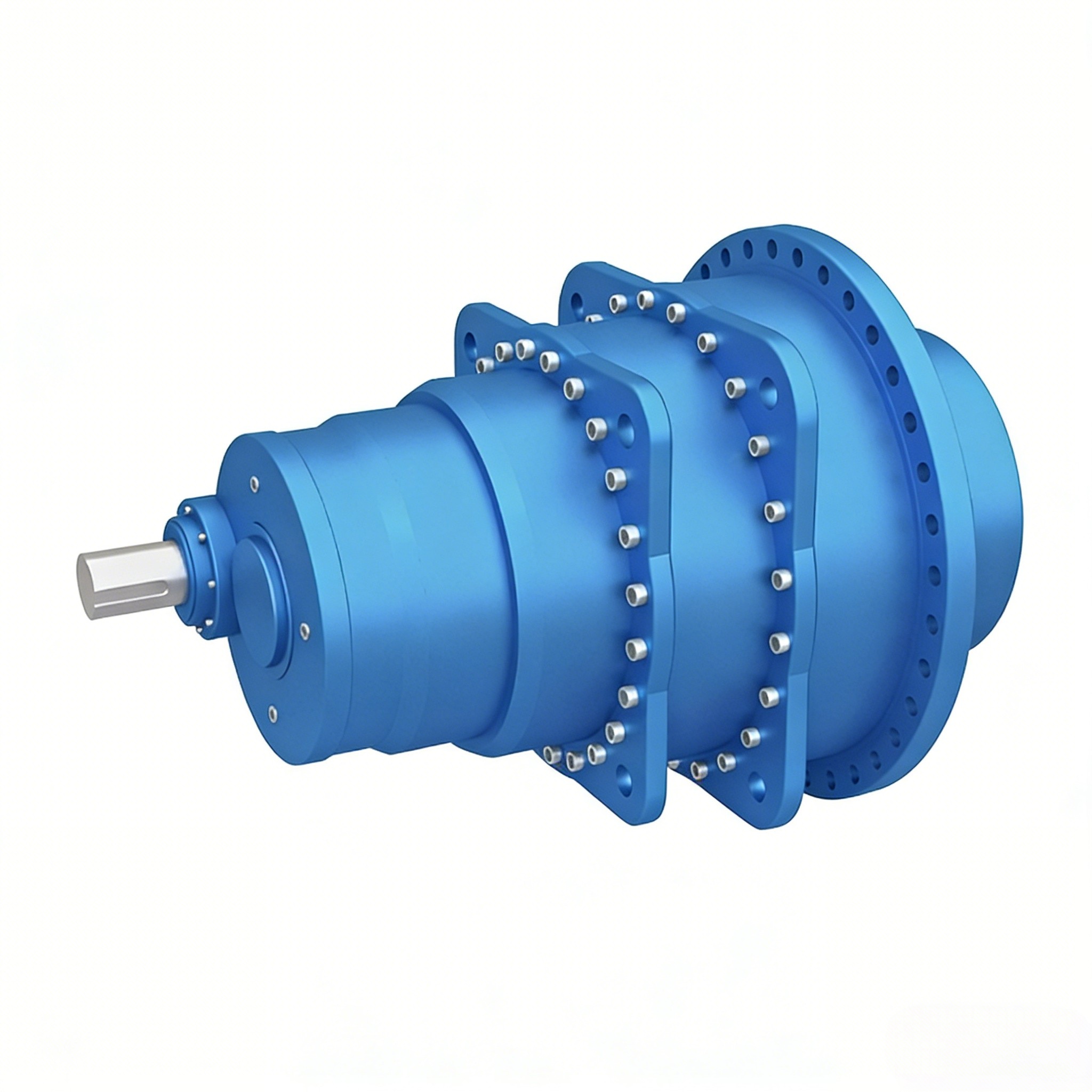
The relationship between operational tempo and gear degradation is direct and measurable. An agitator running continuously experiences thermal fatigue, inadequate lubrication film recovery periods, and contact stress accumulation that shortens gear tooth life compared to interrupted-duty applications. This article explores the mechanisms through which continuous operation affects agitator performance, identifies critical wear indicators, and provides practical strategies to maintain gear integrity under sustained load.
Thermal and Mechanical Stress in Continuous Agitator Operation
Heat Generation and Lubrication Film Stability
Continuous operation generates persistent friction within an agitator's gear mesh, producing heat faster than cooling systems can dissipate it. The lubricant film between gear teeth depends on temperature stability; excessive heat thins the oil, reduces viscosity, and compromises the protective boundary layer. When an agitator runs 24/7 or extended shifts, the gear surfaces experience direct metal-to-metal contact intervals that accelerate tooth spalling, pitting, and surface fatigue. Temperature monitoring becomes critical because each 10°C rise in operating temperature can halve lubricant film life in an agitator system.
Cumulative Torque Cycling and Fatigue Initiation
Every rotation of an agitator applies cyclic stress to gear tooth roots, initiating and propagating subsurface fatigue cracks. Continuous operation means the agitator stress cycle repeats thousands or millions of times without rest periods that would allow material stress relaxation. Finite element analysis shows that continuous loading on an agitator reduces fatigue strength by 15–25% compared to intermittent duty, meaning fewer total load cycles before failure. The combination of constant speed variation within the agitator mixing chamber and uninterrupted torque transmission accelerates the progression from initiation-phase micro-cracks to critical fracture in gear teeth.
Wear Mechanisms Specific to Continuous Agitator Systems
Abrasive and Adhesive Wear Patterns
Continuous operation of an agitator creates two distinct wear modes that interact and compound over time. Abrasive wear occurs when contaminant particles trapped in lubricant scratch gear tooth surfaces; continuous circulation through an agitator increases contamination exposure. Adhesive wear results from boundary lubrication conditions when oil films collapse, causing gear teeth to stick momentarily and tear material from opposing surfaces. In an agitator system operating continuously, both mechanisms accelerate proportionally because the extended runtime multiplies exposure to boundary conditions and contaminant circulation cycles.
Micropitting and Macropitting Progression
Micropitting begins on an agitator gear surface within weeks of continuous operation under normal load, appearing as tiny stress-relief craters. These micropits enlarge into macropits as cycling continues, reducing tooth profile accuracy and increasing contact stress locally. An agitator operated intermittently may show micropitting after months; the same agitator running continuously may progress to macropitting within weeks. This accelerated degradation reduces an agitator's effective gear life by 40–60% compared to single-shift duty schedules, depending on load profile and lubrication quality.
Maintenance and Life Extension Strategies for Continuous Agitator Operation
Optimized Lubrication Protocols for Continuous Agitator Duty
Continuous operation demands elevated lubrication standards for an agitator system. Synthetic oils with superior oxidation stability, wider viscosity index ranges, and advanced anti-wear additives extend agitator gear life significantly compared to mineral oils. Scheduled oil analysis every 250–500 operating hours catches wear metal increases, viscosity changes, and water ingress before critical damage develops in an agitator. Some installations use cooled circulation systems to maintain an agitator oil temperature within 5°C of setpoint, reducing thermal stress cycling and extending gear life by 30–50%.
Proactive Monitoring and Predictive Maintenance for Agitator Assets
Continuous operation justifies investment in condition monitoring for an agitator because failure consequences are high. Vibration analysis detects early gear wear signatures in an agitator weeks before visible damage emerges, enabling replacement scheduling during planned maintenance windows. Thermal imaging monitors an agitator bearing and gear housing temperature trends; sustained temperature rise indicates increasing friction and impending failure. An agitator equipped with online monitoring systems can operate safely at higher utilization rates because maintenance teams receive early warning signals rather than reacting to catastrophic failure.
Load Optimization and Operational Adjustment
Continuous operation of an agitator can be structured to reduce peak stress cycles. Variable-speed drives allow an agitator to operate at lower torque during low-demand periods, reducing thermal generation and stress cycling when product flow or reaction rates permit. Intermittent duty of secondary agitators, where process design allows, reduces reliance on any single agitator and distributes cumulative damage across multiple units. Reducing continuous agitator speed by 10% can extend gear life by 20–30% if process performance allows, because stress scales with speed and torque interaction.
FAQ
How much faster do agitator gears wear under continuous operation compared to intermittent duty?
Agitator gear life under continuous operation is typically 40–60% shorter than under single-shift intermittent duty, assuming identical load and lubrication quality. The exact reduction depends on cooling capacity, lubricant type, initial design margin, and contamination control. An agitator operating around-the-clock without superior lubrication or cooling systems may see even greater life reduction, while continuous operation of an agitator with optimized cooling and synthetic lubricants may reduce life loss to 25–35%.
What temperature threshold indicates an agitator is experiencing excessive thermal stress?
Most industrial agitators operate safely with gear oil temperatures between 50°C and 70°C; temperatures above 80°C signal accelerated wear risk, and sustained temperatures above 90°C indicate critical conditions requiring immediate intervention. For continuous operation of an agitator, maintain oil temperature below 75°C through enhanced cooling or speed reduction. Temperature rise of 5–10°C over a baseline establishes for an agitator is an early warning to increase monitoring frequency or schedule maintenance sooner.
Which lubrication strategy best extends agitator gear life during 24/7 operation?
For continuous agitator operation, synthetic oils with anti-wear and oxidation inhibitor packages, combined with cooled circulation systems maintaining temperature stability, provide the best life extension. Regular oil analysis every 250–500 operating hours catches degradation in an agitator before critical contamination occurs. Upgrading from mineral to high-quality synthetic lubricant typically extends continuous agitator gear life by 25–40%, while adding external cooling extends life an additional 20–30% by maintaining optimal viscosity and reducing thermal cycling stress on an agitator.