
 EN


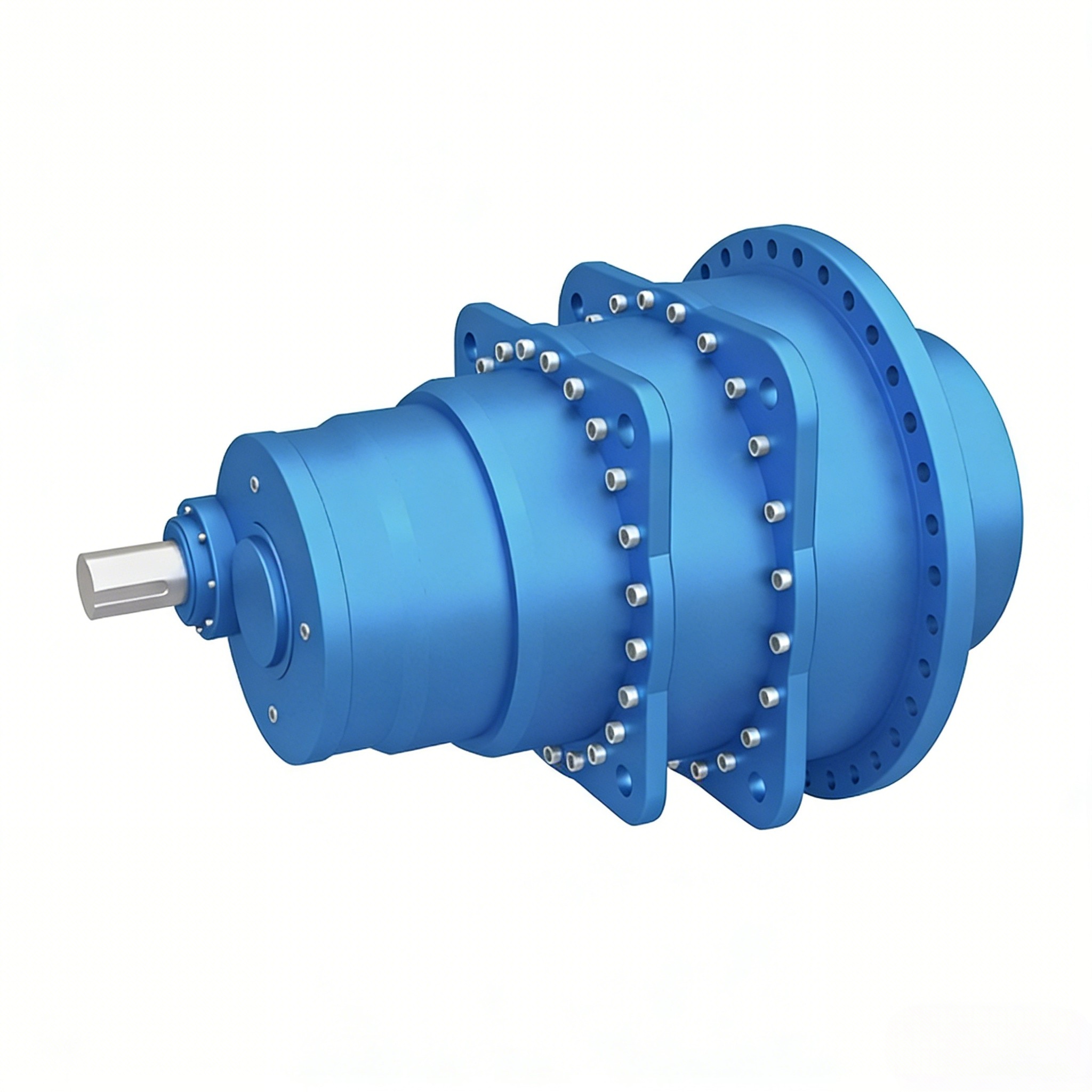
The term slewing refers to the controlled rotation and positioning of heavy loads in industrial machinery, and its importance cannot be overstated in modern manufacturing and renewable energy applications. Slewing gearbox performance directly impacts the reliability, efficiency, and longevity of equipment ranging from wind turbines to excavators to surveillance systems. When a slewing gearbox fails to deliver consistent torque, smooth motion, and precise positioning, entire operations can grind to a halt, resulting in substantial downtime and financial losses. Understanding which applications depend most critically on slewing gearbox performance helps engineers, procurement specialists, and facility managers make informed decisions about equipment selection, maintenance protocols, and capital investment priorities.

Slewing gearbox performance requirements vary significantly across industries, but all demanding applications share a common thread: the need for smooth, repeatable rotation under extreme loads and environmental conditions. Whether managing the blade pitch of a wind turbine in offshore conditions or enabling the precise turret positioning of a construction crane in a bustling urban site, slewing mechanisms must operate with minimal backlash, excellent load capacity, and predictable responsiveness. This article explores the applications that depend most heavily on slewing gearbox performance and explains why gearbox selection and maintenance remain critical operational considerations.
Renewable Energy and Wind Turbine Applications
Blade Pitch Control and Yaw Systems
Wind turbines represent one of the most demanding industrial applications for slewing gearbox performance, particularly in offshore environments where weather extremes and salt corrosion accelerate wear. The slewing gearbox powers the yaw mechanism, which rotates the entire nacelle to align the rotor with wind direction changes. Blade pitch control systems also depend on slewing gearbox performance to adjust individual blade angles thousands of times per day, maintaining optimal power generation across varying wind speeds. When slewing gearbox performance degrades, turbines lose efficiency, experience unbalanced loads, and face premature bearing failure that can cost hundreds of thousands of dollars in replacement and labor.
Solar Tracking Systems
Concentrated solar power installations and dual-axis solar tracking arrays rely on precise slewing gearbox performance to follow the sun throughout the day. Slewing mechanisms must adjust position smoothly without stalling, even as accumulated dust, sand, and thermal cycling stress the gearbox. In large solar farms spanning thousands of megawatts, poor slewing gearbox performance in even a fraction of trackers compounds into significant energy losses and reduced return on investment. The combination of continuous duty cycles and outdoor exposure makes slewing gearbox performance optimization essential to solar project economics.
Construction and Material Handling Equipment
Mobile Crane Turret Rotation
Mobile cranes and tower cranes depend entirely on slewing gearbox performance for safe, controlled turret rotation. Operators rely on smooth slewing motion to position loads precisely over target locations, often working in tight urban spaces where any jerking, hesitation, or loss of control creates hazard and delays. The slewing gearbox must transmit substantial torque to overcome load inertia, wind forces, and friction while maintaining responsive control that operators can feel through the joystick. A slewing gearbox failure during load movement represents an immediate safety crisis, making slewing gearbox performance verification a mandatory pre-operation checklist item at professional construction sites.
Excavator Boom Rotation
Hydraulic excavators and backhoes depend on slewing gearbox performance to enable the upper superstructure to rotate smoothly relative to the lower track frame. Slewing systems must accommodate rapid direction reversals, maintain constant pressure delivery to hydraulic motors, and sustain performance across thousands of digging cycles per day. In mineral extraction, dredging, and demolition work, slewing gearbox performance directly correlates with operator productivity and equipment uptime. When slewing gearbox performance deteriorates, cycle times increase, equipment must be removed from service for repair, and project schedules slip.
Surveillance, Radar, and Astronomical Instrumentation
Pan-Tilt-Zoom Camera Systems
Military surveillance systems, airport security installations, and large-scale sporting venues depend on slewing gearbox performance to enable rapid camera repositioning and smooth tracking of moving subjects. Slewing gearbox performance must deliver imperceptible lag between control input and camera movement, ensuring continuous coverage without blind spots. The slewing gearbox must operate reliably across extreme temperature ranges, from arctic installations to desert heat, maintaining positional accuracy to within fractions of a degree. In critical security applications, slewing gearbox performance failures can compromise surveillance coverage and create unacceptable security gaps.
Radar Antenna Orientation Systems
Weather radar, maritime surveillance radar, and air traffic control installations rely on slewing gearbox performance to rotate massive antenna arrays with extreme precision. Slewing gearbox performance must enable full 360-degree rotation at controlled speeds while maintaining perfect azimuth and elevation alignment. Any degradation in slewing gearbox performance introduces measurement errors that cascade through forecasting algorithms or tracking systems. In aviation and maritime safety, slewing gearbox performance directly impacts the reliability of life-critical navigation and collision avoidance systems.
Specialized Industrial and Aerospace Applications
Robotic Arm Turrets and Joint Actuators
Robotic arms in manufacturing, logistics automation, and automotive assembly plants depend on slewing gearbox performance for smooth coordinated joint motion. Slewing gearbox performance must enable rapid acceleration and deceleration cycles while maintaining positional repeatability to within millimeters across thousands of work cycles. In high-speed applications, backlash and elasticity in the slewing gearbox reduce throughput and product quality, making slewing gearbox performance optimization a key productivity lever. Industrial robot manufacturers specify slewing gearbox performance tolerances that directly influence end-customer efficiency and profitability.
Satellite and Space Vehicle Orientation Control
Spacecraft attitude control systems and satellite antenna deployment mechanisms depend on slewing gearbox performance in the extreme environment of space. Slewing gearbox performance must function reliably across temperature extremes, radiation exposure, and vacuum conditions without lubrication refresh or maintenance. The stakes for slewing gearbox performance in aerospace applications are absolute, as failure means mission loss and multi-billion-dollar consequences. Aerospace-grade slewing gearbox performance specifications exceed commercial standards by substantial margins, reflecting the unforgiving nature of space operations.
FAQ
What makes slewing gearbox performance critical in offshore wind turbines?
Offshore wind turbines experience extreme environmental stresses including salt corrosion, continuous load cycling, and harsh weather that accelerate slewing gearbox wear. Slewing gearbox performance directly affects blade pitch control precision and yaw alignment, both essential to power generation efficiency and structural integrity. When slewing gearbox performance degrades in offshore installations, replacement costs escalate dramatically due to specialized vessels and technicians required to service turbines positioned far from shore. Preventive maintenance focused on slewing gearbox performance extends turbine life and protects multi-million-dollar installations.
How does slewing gearbox performance impact crane operator safety?
Operators rely on immediate, predictable response from slewing mechanisms to position heavy loads safely over crowded work zones. Slewing gearbox performance degradation introduces lag, hesitation, or jerky motion that increases accident risk and reduces operator confidence. Poor slewing gearbox performance can mask the true load position from the operator, creating conditions where loads swing unexpectedly or settle in unsafe locations. OSHA and similar safety authorities increasingly require regular slewing gearbox performance verification as part of comprehensive crane maintenance programs.
Why does slewing gearbox performance matter in solar tracking systems?
Solar tracking arrays accumulate thousands of small dust particles and thermal stresses that degrade slewing gearbox performance over months of operation. Slewing gearbox performance degradation manifests as tracking lag, where the array fails to follow the sun precisely, resulting in reduced solar collection and diminished electrical output. In utility-scale solar farms, marginal slewing gearbox performance across hundreds of trackers compounds into percentage-level energy losses that represent substantial revenue impact. Monitoring and maintaining slewing gearbox performance is therefore as important as panel cleaning in solar asset management.