
 EN


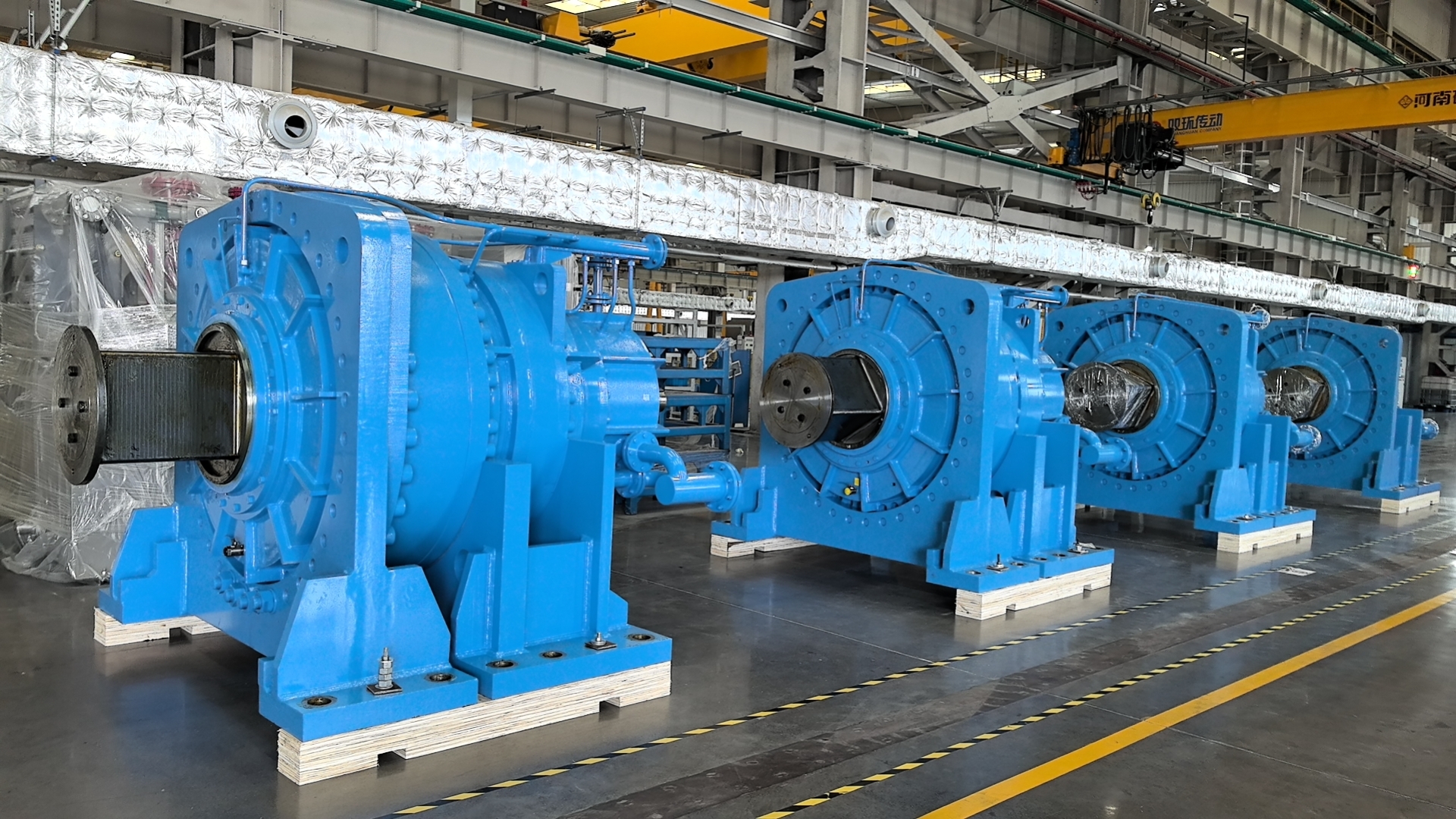
Slewing gearboxes operate under demanding conditions in cranes, wind turbines, excavators, and industrial rotating equipment. Understanding how load factors affect slewing gearbox service life is critical for maintenance planning, capital budget forecasting, and operational reliability. The service life of any slewing gearbox depends on multiple interconnected load variables that work together to determine how quickly internal components wear, how frequently failures occur, and when replacement becomes economically justified. This article explores the primary load factors that influence slewing gearbox longevity and provides practical guidance for extending equipment lifespan.

Every slewing gearbox is engineered with specific torque, speed, and duty cycle ratings that define its maximum sustainable performance envelope. When operational loads exceed these design parameters, component stress increases exponentially, accelerating gear tooth wear, bearing degradation, and seal failure. The relationship between applied load and slewing gearbox service life is not linear; doubling the load does not simply halve the service life. Instead, the degradation follows a power law where small increases in load can dramatically reduce equipment longevity. Understanding these load relationships enables operators and maintenance teams to make informed decisions about equipment selection, operating practices, and predictive maintenance strategies.
Radial and Axial Load Distribution in Slewing Systems
Understanding Radial Load Impact on Slewing Gearbox Durability
Radial loads act perpendicular to the slewing gearbox shaft axis and represent the most common stress in rotating equipment. In a slewing application, radial loads come from the weight of the rotating structure, the payload, and dynamic forces generated during acceleration and deceleration. A slewing gearbox bearing must support this radial force while maintaining precision alignment, and excessive radial loading accelerates bearing raceway wear and generates heat that degrades lubricant viscosity. When radial loads approach or exceed the slewing gearbox rated capacity, bearing preload increases, friction rises, and internal stress concentrations develop at gear tooth roots and bearing rolling elements. Reducing average radial loads through better load distribution, improved structural support, or load-sharing mechanisms can extend slewing gearbox service life by 30 to 50 percent or more in many industrial applications.
Axial Load Considerations and Their Service Life Effect
Axial loads push or pull the slewing gearbox shaft along its rotation axis and are common in applications where wind loading, unbalanced payloads, or tilting forces are present. Unlike radial loads, axial forces in a slewing system can vary unpredictably depending on environmental conditions, load positioning, and equipment orientation. A slewing gearbox thrust bearing must absorb these axial forces, and if loads consistently exceed design limits, thrust bearing races develop flaking and spalling that eventually generate vibration and noise. The interaction between radial and axial loads further complicates slewing gearbox durability; simultaneous high radial and axial loading creates combined stress states that exceed simple load summation predictions. Modern slewing gearbox designs incorporate angular contact or tapered roller bearings that handle both load types simultaneously, but even these advanced slewing components degrade faster under combined loading. Minimizing unnecessary axial forces through proper equipment alignment and load management preserves slewing gearbox service life.
Torque Peaks, Shock Loads, and Cyclic Stress Patterns
How Peak Torque Events Shorten Slewing Gearbox Life
Peak torque events occur when the slewing gearbox must accelerate a large mass, overcome sudden resistance, or compensate for dynamic imbalance. Emergency stop procedures, rapid directional reversals, and jerky manual crane operations all generate torque spikes that stress gear teeth and bearing raceways far beyond steady-state operating loads. Each torque peak creates microscopic material deformation and localized plastic flow that initiates fatigue cracks in gear tooth roots and bearing surfaces. Over hundreds or thousands of cycles, these cracks propagate and eventually cause catastrophic failure. A slewing gearbox designed for moderate continuous torque will experience dramatically shortened service life if subjected to frequent peak torque events. Implementing soft-start mechanisms, variable frequency drives, and load-smoothing techniques reduces peak torque occurrence and can extend slewing gearbox service life substantially. Industrial operators who control acceleration rates and avoid sudden load reversals report slewing gearbox service life improvements of 40 to 60 percent compared to facilities using abrupt operating practices.
Shock Load and Fatigue Crack Propagation in Slewing Components
Shock loads represent sudden, high-amplitude force spikes that far exceed normal operating stresses. In slewing applications, shock occurs when a load is suddenly released, when equipment impacts an obstacle, or when wind gusts strike a slewing crane or rotating tower. Each shock event initiates surface micro-cracks in gear teeth and bearing raceways; repeated shocks cause these cracks to grow deeper into the material until internal spalling removes chunks of metal. A slewing gearbox that withstands moderate continuous loading may fail in hours or days if exposed to frequent shock impacts. The cumulative fatigue damage from shock events is path-dependent; a slewing gearbox subjected to identical total loads distributed smoothly will outlast one experiencing identical loads delivered in spikes. Predictive maintenance systems that monitor slewing gearbox vibration can detect early-stage crack development before catastrophic failure occurs, allowing maintenance teams to schedule timely overhauls and avoid unplanned downtime.
Environmental Factors, Lubrication, and Thermal Load Effects
Lubricant Degradation and Its Role in Slewing Gearbox Service Life
The lubricant inside a slewing gearbox acts as both a protective fluid film between surfaces and a coolant that removes friction-generated heat. When applied loads increase, friction rises dramatically, generating more heat that oxidizes and breaks down the lubricant film. A slewing gearbox operating at elevated temperature experiences accelerated lubricant degradation; the lubricant viscosity drops, protective additives become exhausted, and corrosion protection diminishes. At extreme temperatures, the lubricant may lose viscosity so severely that it can no longer maintain a protective film between gear teeth and bearing surfaces, leading to direct metal-to-metal contact and rapid wear. High-load slewing applications require premium synthetic lubricants with superior thermal stability and anti-wear additives that resist oxidation and maintain film strength across wider temperature ranges. Regular lubricant analysis and proactive oil changes based on load-specific intervals rather than calendar schedules can extend slewing gearbox service life by 25 to 40 percent. Keeping lubricant temperature within the manufacturer's recommended range protects the slewing gearbox from premature degradation regardless of other load factors.
Thermal Cycling and Material Fatigue in Slewing Gearboxes
Temperature fluctuations cause gear materials and bearing raceways to expand and contract, creating internal stress gradients that promote fatigue crack initiation. In slewing applications exposed to outdoor conditions, ambient temperature swings can create significant thermal cycling stress that, combined with operational load stress, accelerates material degradation. A slewing gearbox used in Arctic environments or high-altitude locations experiences larger thermal cycles than identical equipment in temperate climates, and this temperature variation directly shortens slewing gearbox service life. Poor thermal management exacerbates the problem; inadequate cooling fins, clogged ventilation passages, or insufficient lubricant circulation prevent heat dissipation and allow internal temperatures to climb. Slewing gearbox housings designed with effective cooling features, internal baffles to promote lubricant circulation, and external heat exchangers in extreme-duty applications maintain lower operating temperatures and significantly extend component life. Monitoring internal slewing gearbox temperature through thermal sensors provides early warning of degradation and allows operators to reduce loads or increase maintenance frequency before failure occurs.
Design Margins, Material Selection, and Load Capacity Interaction
Safety Factor Influence on Actual Service Life Under Real-World Loads
Every slewing gearbox is manufactured with an inherent safety factor that compares the material's fatigue strength to the designed maximum load. Standard industrial slewing gearboxes typically carry a service factor of 1.5 to 2.0, meaning they are designed to handle 1.5 to 2.0 times their rated continuous load without immediate failure. However, this safety margin assumes ideal operating conditions, proper installation, and adherence to manufacturer maintenance recommendations. In real-world applications, a slewing gearbox frequently encounters conditions outside the design envelope: users apply heavier loads than specified, operate at faster speeds, or skip maintenance intervals. When actual loads approach the safety factor limit consistently, the slewing gearbox service life drops dramatically. Custom slewing gearbox designs with higher safety factors (3.0 to 5.0) are available for critical applications where extended service life justifies the higher initial cost. Understanding the relationship between applied load and the slewing gearbox safety factor allows operators to predict realistic service life and plan replacement schedules accordingly.
Material Grade Selection and Load-Carrying Capacity Enhancement
The gear material grade directly influences how much load a slewing gearbox can sustain before fatigue failure occurs. Standard carbon steel gears used in many slewing gearboxes have well-established fatigue strength curves, but premium materials like alloy steel with surface hardening offer significantly higher load capacity. A slewing gearbox constructed from premium materials can endure 50 to 100 percent higher loads than identical designs made from standard materials, directly translating to extended service life under heavy-duty conditions. Material selection becomes critical when application loads are near or occasionally exceed normal slewing gearbox design ratings. Upgrading to a slewing gearbox with enhanced material specifications increases initial cost by 15 to 30 percent but often pays dividends through reduced maintenance frequency and extended operational intervals. Metallurgical advances in bearing steel and gear materials continue to improve load capacity and fatigue resistance, so consulting with manufacturers about the latest material options ensures that new slewing installations incorporate state-of-the-art durability improvements.
FAQ
What is the most critical load factor affecting slewing gearbox service life?
Peak torque and shock loads have the most dramatic impact on slewing gearbox service life because they generate stress concentrations far exceeding steady-state design loads. A single severe shock event can initiate fatigue cracks that propagate over subsequent operating cycles. Controlling torque peaks through soft-start mechanisms and smooth operating practices extends service life far more effectively than managing average load alone.
How does lubrication quality relate to load-carrying capacity in a slewing gearbox?
High-quality lubricant maintains a protective film that allows a slewing gearbox to safely handle loads near its design rating. Poor lubricant or lubricant degraded by high temperatures eliminates film protection, causing rapid wear and enabling premature failure even under moderate loads. Premium synthetic lubricants with superior thermal stability directly extend slewing gearbox service life by 25 to 40 percent compared to conventional oils.
Can operational practices extend slewing gearbox service life beyond manufacturer specifications?
Yes, disciplined operational practices significantly extend slewing gearbox service life. Smooth acceleration and deceleration, avoiding shock loads, maintaining proper lubrication intervals, managing thermal conditions, and staying below design load ratings can extend service life by 30 to 60 percent. Conversely, careless operation that violates design parameters dramatically shortens service life regardless of equipment quality.