
 EN


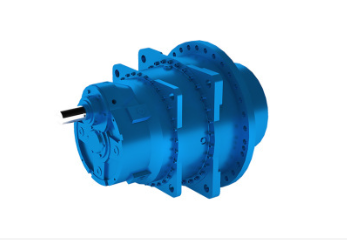
Selecting the right slewing component for your rotational equipment requires careful analysis of multiple technical and operational factors. A slewing system must handle constant rotational motion while maintaining precision, reliability, and cost-effectiveness over years of service. Whether you operate cranes, excavators, wind turbines, or specialized industrial machinery, the choice of slewing technology directly impacts equipment performance, maintenance costs, and operational safety. Understanding how to evaluate slewing options ensures you invest in equipment that delivers the performance your application demands.

The process of selecting a slewing gearbox begins with understanding your specific application requirements and operational constraints. Load capacity, rotational speed, duty cycle, environmental conditions, and mounting orientation all influence which slewing configuration will serve your equipment most effectively. A methodical approach to evaluation prevents costly mistakes, reduces unplanned downtime, and maximizes the lifespan of your rotational equipment investment.
Understanding Core Application Requirements for Slewing Systems
Load Capacity and Torque Demands
The primary factor in selecting a slewing system is calculating the total load your equipment must handle during rotation. This includes not only the static weight of materials or attached components but also dynamic forces, acceleration loads, and any shock loading that occurs during operation. A slewing gearbox must be rated to handle peak torque conditions without experiencing premature wear or failure. Engineers must account for safety factors, which typically range from 1.5 to 2.5 times the calculated peak load, depending on the application criticality and industry standards.
Determining accurate load requirements for your slewing installation involves reviewing equipment specifications, analyzing operational cycles, and consulting with equipment manufacturers. Undersizing a slewing gearbox leads to rapid degradation and catastrophic failure, while oversizing increases capital costs and reduces operational efficiency. Modern slewing configurations offer modular design options that allow precise matching of gear ratios and torque capacity to your exact application needs.
Rotational Speed and Duty Cycle Considerations
The speed at which your equipment rotates and the frequency of rotation cycles directly affect which slewing technology and bearing configuration will perform optimally. High-speed slewing applications demand different lubrication strategies, bearing preload settings, and material selections than low-speed, high-torque installations. Understanding your equipment's duty cycle—whether it operates continuously, intermittently, or with long idle periods—helps determine the appropriate slewing gearbox maintenance schedule and expected service life.
Slewing systems used in continuous-rotation applications such as wind turbines require different specifications than intermittent-duty slewing installations found in mobile cranes or excavators. The frequency of acceleration and deceleration events, combined with rotational speed, determines the stress patterns your slewing gearbox experiences throughout its operational life. Engineers must also evaluate whether your slewing equipment operates at constant speed or experiences variable-speed demands during different operational phases.
Evaluating Technical Specifications and Design Factors
Bearing Type and Mounting Configuration
The type of bearing used in your slewing installation significantly impacts load distribution, precision, and maintenance requirements. Slewing bearings must accommodate combined axial, radial, and moment loads simultaneously, which distinguishes them from conventional rolling bearings used in linear motion applications. Single-row slewing bearings provide compact solutions for applications with moderate moment loads, while double-row slewing bearings distribute loads across multiple raceways, enabling higher load capacity and extended service intervals for demanding rotational equipment.
Mounting orientation—whether your slewing system operates horizontally, vertically, or at an angle—affects how gravity influences load distribution and bearing preload characteristics. A properly configured slewing installation maintains optimal bearing contact pressure throughout the rotational cycle, ensuring consistent performance and predictable wear patterns. Consultation with bearing manufacturers and systems engineers helps verify that your chosen slewing configuration provides adequate moment capacity and axial stiffness for your specific mounting geometry.
Environmental and Operational Constraints
Operating environment profoundly influences which slewing technology and protective measures your rotational equipment requires. Outdoor installations exposed to salt spray, extreme temperatures, or abrasive particulates demand slewing bearings with enhanced sealing systems and corrosion-resistant materials compared to protected indoor environments. High-moisture environments accelerate corrosion of slewing raceways unless appropriate grease formulations and sealing integrity are maintained throughout the equipment's service life.
Temperature extremes affect the viscosity of slewing lubricants and the mechanical properties of bearing materials, potentially reducing load capacity or increasing friction at temperature extremes. Cold-weather applications may require specialized slewing grease formulations to maintain fluidity, while high-temperature environments demand lubricants with superior thermal stability. Assessing your operational environment and specifying slewing bearings with appropriate material grades, seal designs, and lubrication systems prevents premature degradation and maintains consistent rotational performance across seasonal variations.
Comparing Slewing Configuration Options and Integration Strategies
Integrated Slewing Solutions Versus Modular Designs
Slewing systems are available as fully integrated packages with matched gearboxes, bearings, and drive mechanisms, or as modular components that allow custom engineering to match specific application requirements. Integrated slewing packages offer simplified procurement and installation but may include excess capacity or features unnecessary for your particular rotational equipment. Modular slewing configurations provide flexibility to optimize performance, cost, and maintenance characteristics for your unique operational profile, though requiring more detailed engineering and coordination during installation.
The decision between integrated and modular slewing approaches depends on your application complexity, available engineering resources, and performance requirements. Standard slewing packages suit applications with straightforward requirements and predictable load profiles, while specialized rotational equipment often benefits from custom slewing configurations engineered specifically for your operational constraints. Manufacturers increasingly offer hybrid approaches combining standardized bearing platforms with customizable gearbox ratios, allowing rapid deployment without sacrificing performance optimization.
Lubrication Strategy and Maintenance Planning
Establishing an appropriate lubrication program is critical for extending slewing bearing life and maintaining consistent rotational precision over time. Different slewing applications demand different lubrication intervals, grease types, and relubrication volumes based on load intensity, operating speed, and environmental exposure. A comprehensive maintenance plan should specify slewing bearing inspection schedules, grease replacement procedures, contamination monitoring protocols, and seal condition assessment routines.
Slewing systems operating in dusty or wet environments require more frequent lubrication and seal inspections compared to protected installations, as contamination compromises bearing performance and accelerates raceway degradation. Implementing condition-monitoring programs for slewing bearings—including vibration analysis, temperature trending, and torque measurement—enables predictive maintenance and prevents unexpected equipment failures. Regular slewing bearing maintenance transforms rotational equipment from a failure-prone asset into a reliable, predictable system with extended service intervals and reduced total operating costs.
FAQ
What load factors should I consider when selecting a slewing bearing?
When choosing a slewing bearing, consider static load capacity, dynamic load rating, moment load handling, and combined loading scenarios. Most applications experience peak loads exceeding average operating conditions, so apply safety factors between 1.5 and 2.5 to your calculated maximum torque and load values. Consult bearing manufacturers' technical documentation to verify your selected slewing bearing accommodates axial, radial, and moment loads simultaneously without exceeding rated capacities or limiting equipment performance.
How do environmental conditions affect slewing gearbox selection?
Environmental exposure directly impacts material selection, seal specifications, and lubrication strategy for your slewing system. Outdoor installations require sealed slewing bearings with corrosion-resistant materials and environmentally stable grease formulations, while temperature extremes demand specialized lubricants maintaining viscosity across the full operating range. Assess your specific environment for salt spray exposure, moisture levels, temperature range, and particulate contamination, then specify slewing components with matching protection levels to ensure reliable long-term performance.
What maintenance schedule should a slewing bearing follow?
Slewing bearing maintenance frequency depends on load intensity, operating speed, duty cycle, and environmental exposure of your rotational equipment. Lightly loaded intermittent-duty applications may require relubrication only annually or every 500 operating hours, while high-speed continuous-duty slewing systems demand more frequent lubrication and inspection intervals. Establish a preventive maintenance schedule based on manufacturer recommendations and your equipment's actual duty profile, monitored through condition assessment to optimize intervals and maximize bearing life while minimizing maintenance costs.