
 EN
EN



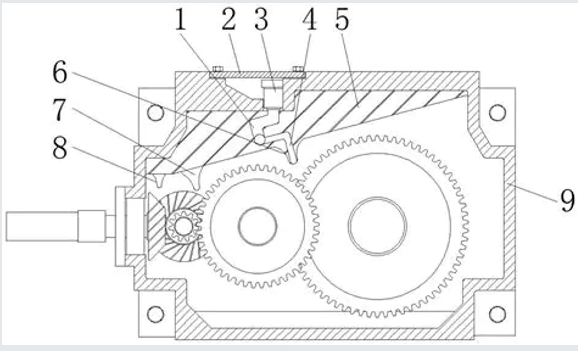
Милни уређаји се суочавају са бројним ризицима одржавања који могу довести до скупог времена простора, смањења продуктивности и значајних трошкова за поправку ако се не брине о њима на одговарајући начин. Ови сложени механички монтажи раде под екстремним условима, укључујући тешка оптерећења, континуиране циклусе рада и сурова индустријска окружења која убрзавају обрасце зноја и стварају вишеструке режиме неуспеха. Разумевање специфичних ризика одржавања који су присутни системима за обраду молнина омогућава оператерима да спроводе проактивне стратегије одржавања које минимизирају неочекиване повреде и продуже животни век опреме.
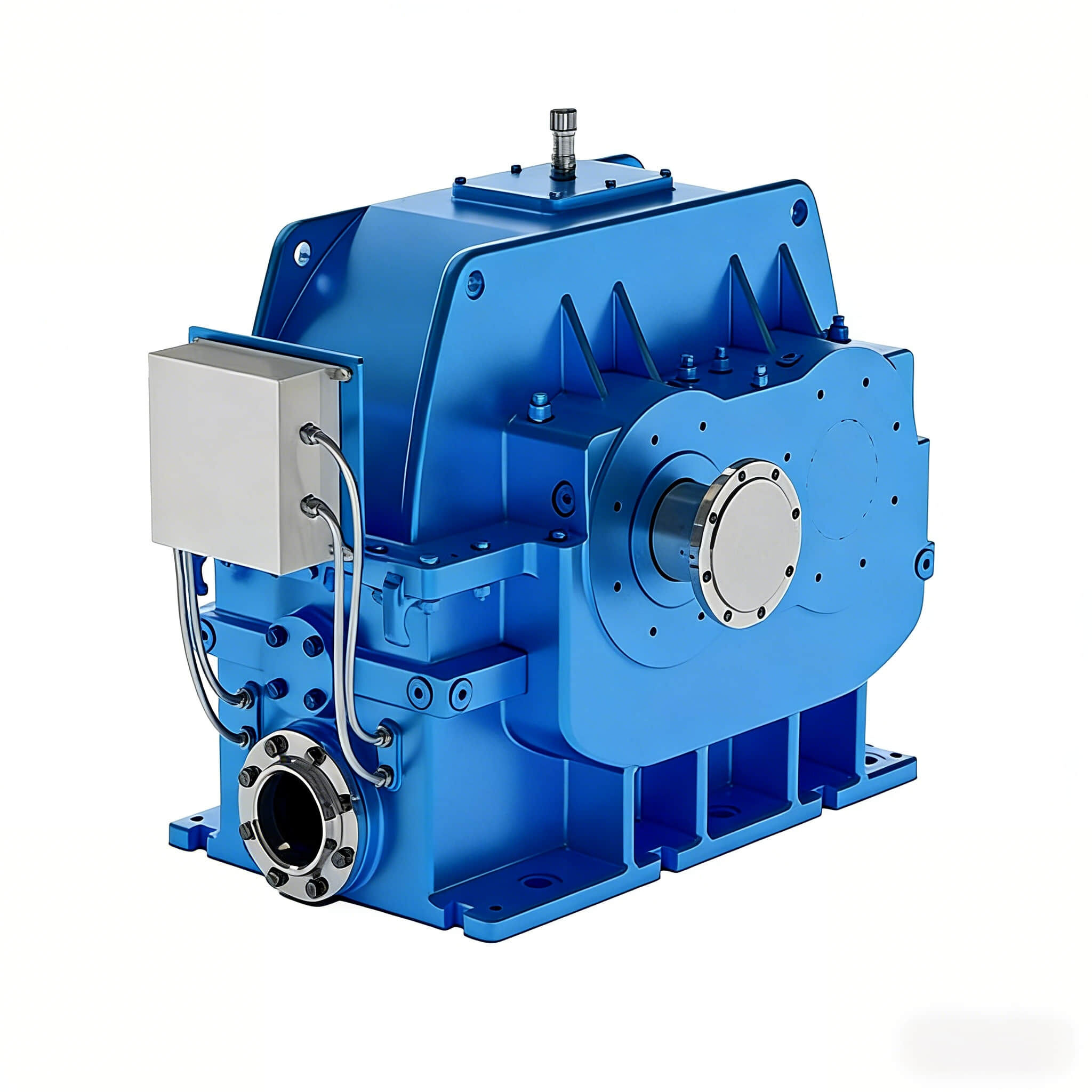
Проблем одржавања система за обраду млинских зрна произилази из захтевних оперативних захтева које ови системи морају испунити у прерадној индустрији као што су рударство, производња цемента, производња папира и прерада челика. Свака апликација за млин подвргава системе за тркање јединственим обрасцима стреса, изворима контаминације и топлотним условима који стварају различите профиле ризика који захтевају специјализоване приступе одржавања. Ранње препознавање ових ризика и спровођење одговарајућих контрамер представља разлику између поузданог рада фабрике и катастрофалне неисправности система.
Ризици одржавања повезани са мастилом
Загађење и деградација нафте
Загађење уљем представља један од најчешћег ризика одржавања који утиче на системе за обраду млинских опрема, са загађивачима који улазе кроз више путања, укључујући неуспехе запечатања, системе за дисање и активности одржавања. Загађење воде представља посебно озбиљне ризике јер промовише корозију, смањује чврстоћу мастила и ствара емулзије које угрожавају заштиту опреме. Метални честице од нормалних процеса знојања акумулишу се током времена, стварајући абразивно окружење које убрзава деградацију компоненти и повећава захтеве за учесталост одржавања.
Деградација својстава мастила у условима рада на високим температурама ствара каскадне ризике одржавања широм система зрна. Производи топлотне деградације формирају депозите на површини зуба, смањујући ефикасност преноса топлоте и стварајући локализоване вруће тачке које додатно убрзавају деградацију мастила. Побочни производи оксидације повећавају вискозитет и ниво киселости уља, што доводи до корозивног напада на материјале за зубрежје и смањења трајања компоненте у целом систему млинске фабрике.
Недостатак перформанси система марења
Недостатак проток мастила или варијације притиска стварају озбиљне ризике одржавања, омогућавајући развој граничних услова мачења на критичним површинама предавника. Милни звенски системи који раде у условима граничног марења доживљавају убрзане обрасце зноја, повећане оперативне температуре и смањену способност носења оптерећења што може довести до изненадних догађаја отказа. Неисправности компонента система марења, укључујући неисправно функционисање пумпе, блокирање филтера и опековање хладника стварају непосредне ризике за интегритет система обработних уређаја.
Лоша дистрибуција мастила у кућиштима за предавке за млин доводи до неравномерних обрасца зноја и локализованог прегревања које ствара непредвидиве захтеве за одржавање. Недостатак покривености смазањем прскањем или неефикасни обрасци прскања остављају површине опреме рањиве на огревање и оштећење оштривања које се брзо шири под оптерећењем радних терета. Ови недостаци у мазивању често остају неоткривени док се не појави видљива оштећења, што превенцију кроз правилан дизајн система и одржавање чини критичним за поузданост млинске фабрике.
Ризици механичког зноја и умора
Проблем са обрасцем контакта зуба
Неисправни обрасци контакта зуба са зубима стварају концентрисане тачке стреса који доводе до забрзаног зноја и потенцијалног неуспеха зуба у апликацијама за млин. Услови оптерећења ивице развијају се када се подешавање зуба одступа од конструктивних спецификација, стварајући високе концентрације стреса на зубним крајевима које брзо напредују до раскола и кршења. Ове неправилности обрасца контакта често су резултат осађивања темеља, ефекта топлотног раста или зношења лежаја које постепено помера позиционирање опреме у оквиру млин кућна зграда.
Неравномерна расподела оптерећења преко лица зуба за зубље ствара ризике за одржавање локализованим умором површине и формирањем јама које ослабљавају зубе за зубље током времена. Милни зглобови који доживљавају проблеме са обрасцем контакта показују неправилне обрасце знојања који чине преостале трајности живота тешко прецизно предвиђати. Прогресија од малих проблема са контактом до великих оштећења опреме може се брзо десити у условима рада млин, што чини рано откривање и исправљање неопходним за избегавање катастрофалних квашања.
Редови деградације и неуспеха лежаја
Неисправности лежаја представљају критичне ризике одржавања у системима за обраду молнина због тешких радијалних и гутачких оптерећења које ове компоненте морају да поднесу током континуираног рада. Умор од ролинг елемената се постепено развија кроз циклично оптерећење, стварајући формирање шпала који генеришу вибрације и буке пре него што напредује до потпуног неуспеха лежаја. Повреда лежаја изазвана контаминацијом се јавља када честице уђу у трке лежаја, стварајући бодове и прерано зношење које смањује живот лежаја значајно испод пројектних очекивања.
Недостатак пренапреде лежаја или прекомерни прозор стварају ризике одржавања кроз одвијање вала и погрешно усклађивање зуба који утичу на перформансе целог вожња зуба. Поремећаји у лажима могу се десити изненада у условима удара, ослобађајући ваљкане елементе који изазивају непосредно оштећење зуба и захтевају обимну поправку система млинске фабрике. Поремећај температуре који се односи на лажирање се развија када неисправно функционисање система хлађења или оштећење мастила смањује заштиту лажира, стварајући ефекте топлотне експанзије који везују ротирајуће компоненте.
Фактори стреса околине и операције
Загађење од материјала за производњу млинских радова
Загађење процесних материјала ствара јединствену опасност за одржавање система за обраду молница кроз увођење абразивних честица, корозивних хемикалија и влаге које убрзавају деградацију компоненти. Тенести честице прашине из радних места пролазе кроз затварање кућа и загађују мастило, стварајући абразивни лубрикат који брзо носи површине и компоненте лежаја. Химијска контаминација од процесних материјала може изазвати распад мастила и корозивни напад на материјале система за зрене, посебно у хемијској обради и апликацијама рударских фабрика.
Накупљање процесних остатака у кућиштима молнина ствара проблеме са задржавањем топлоте и омета нормалне циркулације мастила. Хигроскопски материјали присутни у многим процесима млинске апсорбују влагу из атмосфере, повећавајући ниво контаминације воде у мастилима за зубрежје и промовишући корозију широм система. Ови извори контаминације захтевају специјализоване системе за запломбивање и процедуре одржавања како би се смањио њихов утицај на поузданост система опрема за млин.
Ефекат топлотне циклике и експанзије
Поновљени топлотни циклус у системима за обраду молнина ствара ризике за одржавање кроз диференцијално ширење између компоненти које могу изазвати погрешну излагање и концентрацију стреса. Цикли покретања и искључивања подвржују системе за зрене температурним транзијентима који стварају обрасце топлотних стреса који се разликују од рада у стационарном стању, што потенцијално доводи до покретања пукотина и ширења. Карактеристике ширења различитих материјала у монтажема молничких зуба могу створити услове везања или прекомерне пролазе у зависности од варијација оперативне температуре.
Високе оперативне температуре у апликацијама за млин убрзавају стопу деградације мастила и смањују чврстоћу за умор материјала, повећавајући захтеве за одржавање и ризике од неуспеха. Тхермални градиенти у кућиштима за зрначале могу изазвати деформацију и деформацију која утиче на квалитет мреже и расподелу оптерећења. Недостачни системи топлотног управљања не могу ефикасно контролисати температуру рада опреме, што доводи до прераног отказивања компоненти и повећане учесталост одржавања у целом операцијама млинских радња.
Проблем праћења и откривања
Ограничења система за рано упозорење
Традиционални приступи праћењу стања често не могу открити развојне проблеме у системима млинских зуба док прогресија оштећења не достигне напредне фазе у којима трошкови поправке постају значајни. Технике анализе вибрација можда неће ефикасно идентификовати обрасце оштећења зуба у зубама у окружењима са високом позадинском буком, где вибрације процеса маскирају сигнале повезане са зубама. Системи за праћење температуре обично откривају топлотне проблеме тек након што се догоди значајна оштећења компоненти, што ограничава њихову ефикасност за спречавање неуспјеха система млинских зубрава.
Програм анализе уља пружа драгоцену информацију о стању система опрема за млин, али захтева доследне процедуре узорка и експертизу у интерпретацији која можда није лако доступна у свим организацијама за одржавање. Време одлагања између узимања узорка и лабораторијских резултата може омогућити да брзи модови неуспеха пређу преко стадијума који се могу опоравити пре него што се може применити корективна мера. Мониторинг акустичних емисија и друге напредне технике су обећавајуће, али захтевају специјализовану опрему и обуку која повећава сложеност имплементације програма одржавања млинских радника.
Тешкоће приступа и инспекције
Физичка ограничења приступа у инсталацијама за производњу стварају ризике за одржавање, јер спречавају темељну инспекцију критичних компоненти система опреме током планираних периода одржавања. Велики кутије за млински звен често захтевају опсежне процедуре демонтаже да би се пристао на унутрашње компоненте за инспекцију, што чини честу процену стања непрактичном са становишта трошкова и распореда. Ограничена видљивост у области мреже и локације лежаја спречава визуелну потврду стања компоненте без великих процедура рушења.
Величина и тежина компоненти молничких опрема чине процедуре уклањања и инсталације сложеним и дуготрајним, што повећава ризик од грешки у монтажу које могу довести до прераног неуспеха. Потреба за прецизним мерењима за реакцију брзине, пренапређење лежаја и параметре усклађивања захтева специјализоване алате и стручност које можда нису доступне током хитних поправки. Ови изазови приступа често присиљавају одлуке о одржавању на основу несавршених информација о стварном стању компоненти у системима за обраду млинских опрема.
Развој стратегије за превентивно одржавање
Планирање одржавања засновано на ризику
Ефикасно управљање ризиком одржавања за системе за обраду молнина захтева свеобухватну анализу режима повреде која идентификује највероватније и најопасније сценарије повреде за сваку специфичну апликацију молнине. Оцене ризика морају узети у обзир и вероватноћу различитих начина неуспеха и њихов потенцијални утицај на производњу, безбедност и трошкове поправке за ефикасно приоритетизовање ресурса за одржавање. Развој матрица режима неуспеха помаже тимовима за одржавање да се усредсреде на компоненте и системе са највећим ризиком у склопу молничких опрема.
Оптимизација распореда одржавања уравнотежава трошкове превентивних интервенција против ризика неочекиваних неуспјеха у системима опрема за млин. Приступи одржавања засновани на условима користе податке о праћењу како би се продужили интервали сервиса када то дозвољавају услови компоненте, а истовремено се осигурала интервенција пре критичних тачака неуспјеха. Интеграција метода предвиђања одржавања са традиционалним распоредима заснованим на времену ствара флексибилне програме одржавања који се прилагођавају стварном стању система опрема за млин, а не произвољним календарским интервалима.
Стратегије продужења живота компоненте
Проактивне технике одржавања могу значајно продужити живот компоненте система млинских зуба кроз пажљиву пажњу на услове рада и рану интервенцију када се развију обрасци деградације. Правилно управљање оптерећењем спречава рад изван дизајнерских граница које убрзавају стопу знојања и стварају прерано услове за отказ у системима за обраду млинских зрна. Мерке за контролу животне средине, укључујући ефикасно запломбивање, филтрацију и контролу климе, смањују излагање контаминацији и продуже животни век мастила.
Технологије обраде површине и премаза пружају побољшану заштиту од хабања и корозије у апликацијама за обраду молница где конвенционални материјали не могу обезбедити адекватни животни век. Редовни прецизни процедури усклађивања одржавају оптималне услове за мачице за зуба и спречавају оптерећење ивице које ствара концентрације стреса и убрзане обрасце зноја. Ове стратегије продужења живота захтевају почетне инвестиције, али пружају значајне дугорочне користи кроз смањену учесталост одржавања и побољшану поузданост система млин.
Često postavljana pitanja
Који су најопаснији знаци упозорења на предстојећи неуспех опреме у системима млинских молења?
Најкритичнији знаци упозорења укључују необичне обрасце вибрације, повећане оперативне температуре, металне честице у узорима уља и промене у карактеристикама буке зуба током рада млинског радника. Визуелна инспекција може открити да су зуби у зубима, да је лагер пробојено или да је проток печат који указује на развој проблема. Акустички емисијски сигнатури могу открити ширење пукотина пре него што се појави видљива штета, док трендови анализе уља показују повећање контаминације и исцрпљење адитива који претходи варању компоненте.
Како услови рада млинске фабрике утичу на захтеве за одржавање система за затварање?
Услови рада млин значајно утичу на захтеве одржавања кроз варијације оптерећења, дужност циклуса, и излагање окружењу који утичу на стопе зноја компоненте и режиме неуспеха. Миле за континуирано функционисање захтевају различите приступе одржавања од апликација за обраду бачева због ефекта топлотних циклуса и захтева система за подмазивање. У окружењима са високом количином прашине потребни су побољшани системи за запломбивање и филтрацију, док се за корозивне процесне материјале могу захтевати специјализовани мастилаци и материјали како би се одржао адекватан животни век у системима за обраду млинских зрна.
Коју улогу игра правилна инсталација у спречавању проблема са одржавањем опреме за млин?
Правилни процедури инсталације су од кључног значаја за спречавање проблема са одржавањем, јер неисправна монтажа ствара концентрације стреса, услове погрешног усклађивања и прерано хабање који доводе до раног неуспеха компоненте. Прецизно усклађивање током инсталације осигурава оптималну геометрију решетке и расподелу оптерећења који максимизује живот компоненте у апликацијама за млин. Правилни спецификације окретача, поставке предуређеног оптерећења лежаја и пуштање у рад система за подмазивање успостављају основне услове рада који подржавају дугорочну поузданост и минимизују неочекиване захтеве за одржавање.
Како тимови за одржавање могу уравнотежити контролу трошкова са поузданошћу у одржавању система за обраду молнице?
Ефикасна равнотежа трошкова и поузданости захтева планирање одржавања засновано на ризику које даје приоритет режимима неуспеха са великим утицајем док управља рутинским трошковима одржавања путем праћења стања и прогнозних техника. Тимови за одржавање могу оптимизовати интервали за замену користећи податке о стварном стању компоненте, а не конзервативне распореде засноване на времену који могу довести до преране замене компоненти. Стратешко управљање инвентарским залихама за резервне делове осигурава доступност критичних компоненти када је потребно, а истовремено избегава прекомерне капиталне инвестиције у споре движење инвентарних ставки за системе за обраду млинских опрема.
Sadržaj
- Ризици одржавања повезани са мастилом
- Ризици механичког зноја и умора
- Фактори стреса околине и операције
- Проблем праћења и откривања
- Развој стратегије за превентивно одржавање
-
Često postavljana pitanja
- Који су најопаснији знаци упозорења на предстојећи неуспех опреме у системима млинских молења?
- Како услови рада млинске фабрике утичу на захтеве за одржавање система за затварање?
- Коју улогу игра правилна инсталација у спречавању проблема са одржавањем опреме за млин?
- Како тимови за одржавање могу уравнотежити контролу трошкова са поузданошћу у одржавању система за обраду молнице?