
 EN
EN



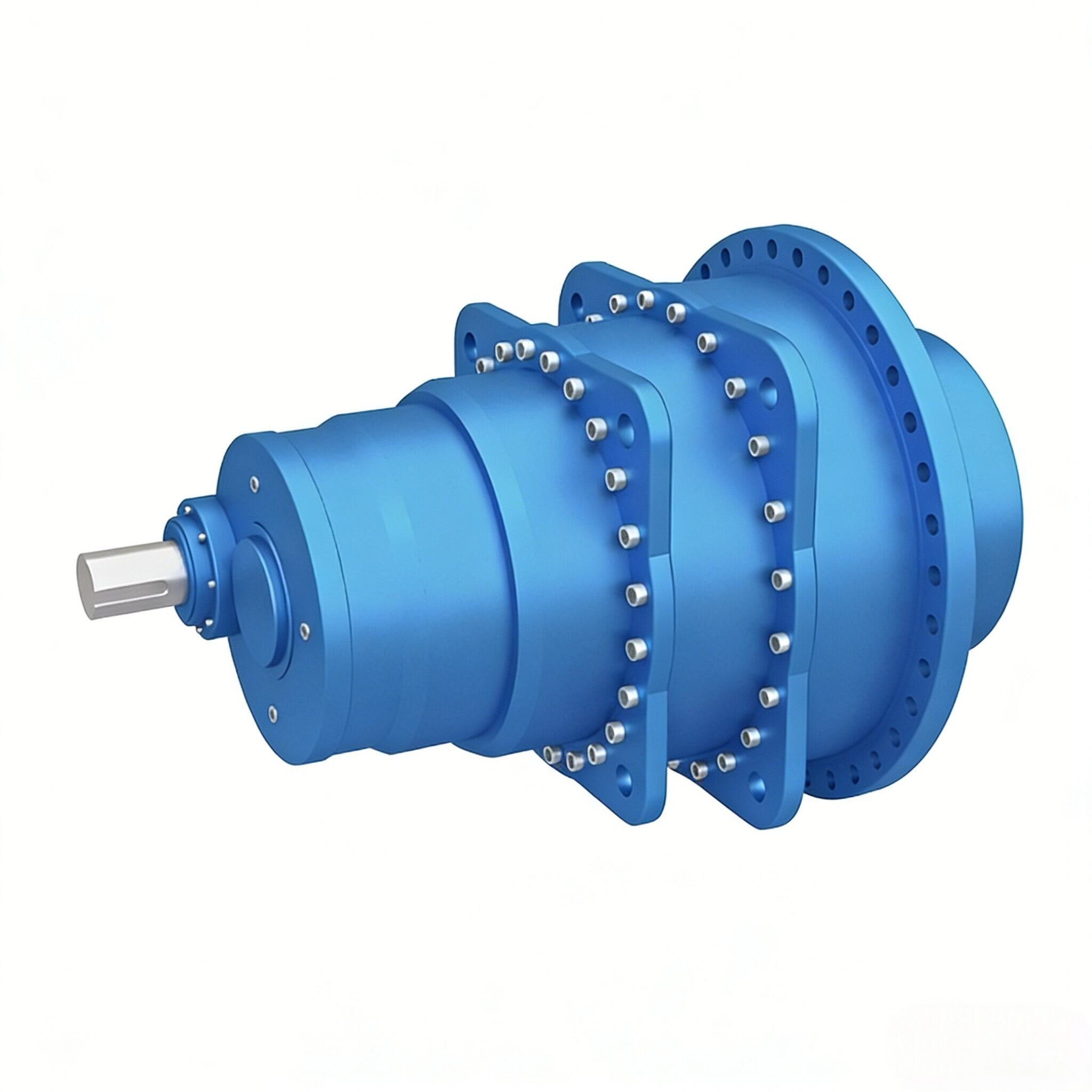
Regulacja prędkości obrotowej młyna stanowi podstawowy czynnik projektowy, który kształtuje każdy aspekt skrzynia biegów inżynierii – od obliczeń przełożenia przekładni po dobór materiałów i systemy zarządzania ciepłem. Związek między wymaganiami eksploatacyjnymi młyna a projektem przekładni tworzy złożone wyzwanie inżynierskie, w którym parametry regulacji prędkości bezpośrednio określają rozwiązania mechaniczne niezbędne do osiągnięcia niezawodnej transmisji mocy. Zrozumienie tego związku staje się kluczowe dla inżynierów, którzy muszą znaleźć równowagę między konkurującymi wymaganiami takimi jak elastyczność prędkości, dostarczanie momentu obrotowego oraz efektywność eksploatacji w przemysłowych zastosowaniach młynów.
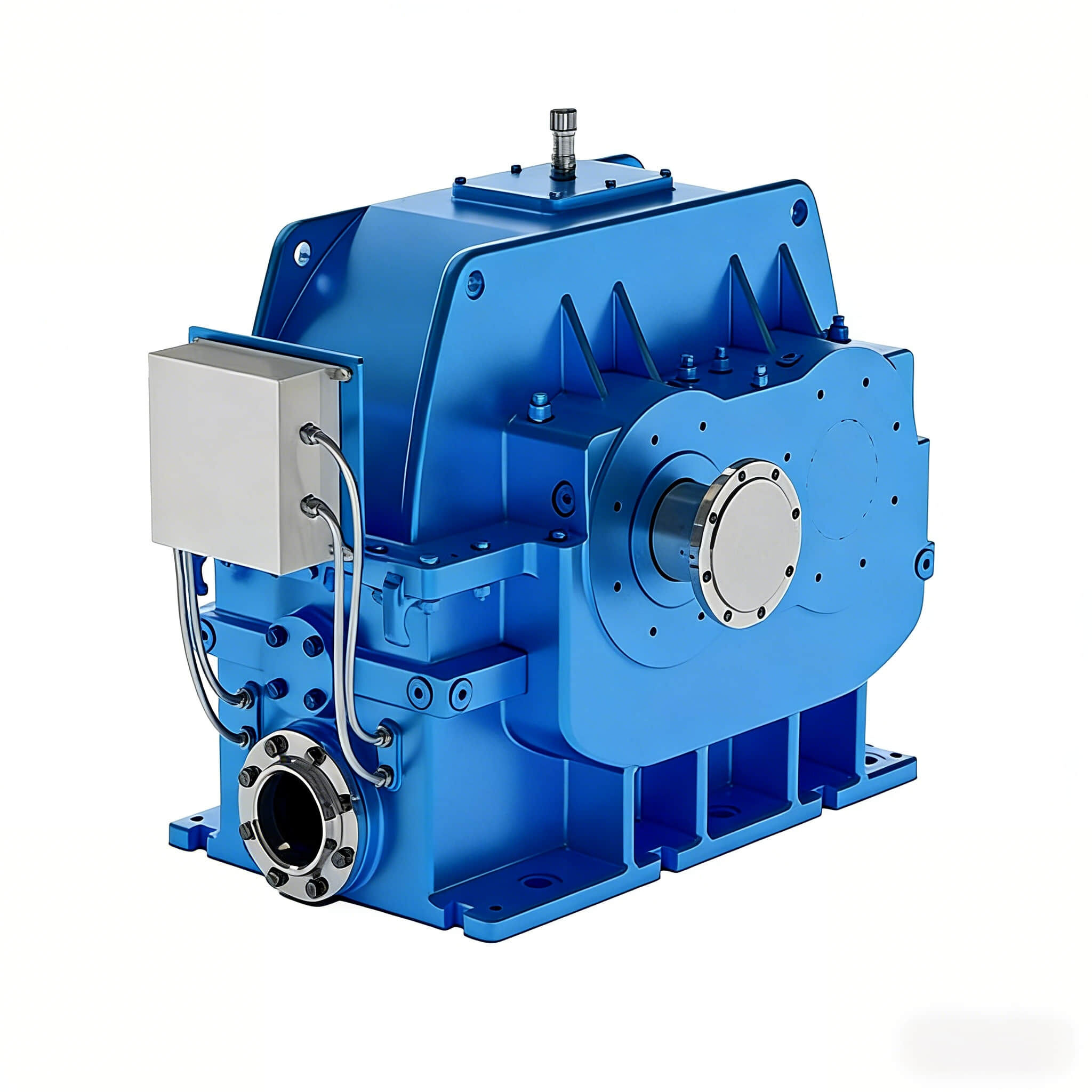
Wpływ regulacji prędkości młynka na projektowanie przekładni przejawia się poprzez wiele powiązanych ze sobą ścieżek, które wpływają na wszystko – od podstawowej geometrii zębatek po zaawansowaną integrację systemów sterowania. Współczesne operacje młynków wymagają precyzyjnej regulacji prędkości przy zmieniających się warunkach obciążenia, co przekłada się na konkretne wymagania projektowe przekładni dotyczące przełożenia, doboru łożysk, systemów smarowania oraz wzmocnienia konstrukcyjnego. Wpływ ten wykracza poza czysto mechaniczne aspekty i obejmuje także integrację elektryczną, rozmieszczenie czujników oraz mechanizmy sterowania zwrotnego, umożliwiające utrzymanie optymalnych prędkości przetwarzania w dynamicznych warunkach eksploatacji.
Wymagania dotyczące zakresu prędkości i projektowanie przełożenia przekładni
Wpływ pracy z zmienną prędkością
Wymagania dotyczące sterowania prędkością młyna decydują w sposób podstawowy o architekturze przełożenia w przekładniach przemysłowych, tworząc ograniczenia projektowe wpływające na każdy etap układu napędowego. Gdy młyn wymaga pracy z regulowaną prędkością w szerokim zakresie, przekładnia musi zapewniać możliwość stosowania wielu przełożeń redukcyjnych, zachowując przy tym wydajny przekaz mocy w każdym punkcie pracy. Wymaganie to prowadzi zazwyczaj do wielostopniowych układów zębnikowych, w których każdy stopień przyczynia się do całkowitego zmniejszenia prędkości obrotowej, rozprowadzając jednocześnie naprężenia mechaniczne na wiele zestawów kół zębatych. Konkretny zakres prędkości wymagany przez młyn jest bezpośrednio powiązany z liczbą potrzebnych stopni przekładni oraz indywidualnym wkładem każdego z nich w osiągnięcie całkowitego przełożenia.
Proces projektowania przekładni do aplikacji młynów o zmiennej prędkości obrotowej obejmuje staranne analizowanie zależności momentu obrotowego od prędkości w całym zakresie pracy. Inżynierowie muszą uwzględnić, jak charakterystyka obciążenia młyna zmienia się wraz z prędkością obrotową, ponieważ wiele procesów młynowych wykazuje nieliniową zależność między prędkością pracy a wymaganym momentem obrotowym. Ta analiza decyduje o doborze przełożeń przekładni, które zapewniają maksymalną sprawność przy najczęściej występujących prędkościach roboczych, jednocześnie gwarantując wystarczające powiększenie momentu obrotowego przy niższych prędkościach, gdzie obciążenie młyna zwykle wzrasta. Otrzymany projekt przekładni często zawiera przełożenia, które mogą wydawać się nieoptymalne przy pracy na pojedynczej prędkości, ale zapewniają lepszą wydajność w całym zakresie prędkości zmiennych.
Strategie optymalizacji dla stałej prędkości
Młyny pracujące ze stałą prędkością obrotową umożliwiają bardziej zdecydowaną optymalizację parametrów projektowych przekładni, co pozwala inżynierom precyzyjnie dobrać przełożenia zębatego w celu osiągnięcia maksymalnej sprawności przy określonym punkcie pracy. W przypadku zastosowań młynów o stałej prędkości obrotowej w wielu sytuacjach możliwe jest wykorzystanie jednostopniowych przekładni redukcyjnych, co upraszcza projekt mechaniczny oraz obniża koszty produkcji i złożoność konserwacji. Z góry określony wymóg prędkości umożliwia dokładne obliczenie optymalnych profili zębów kół zębatych, stosunków styku oraz doboru łożysk, które maksymalizują czas eksploatacji pod wpływem stałych obciążeń.
Stała prędkość obrotowa umożliwia zastosowanie specjalistycznych geometrii zębników, które byłyby niepraktyczne w zastosowaniach o zmiennej prędkości obrotowej, np. zoptymalizowanych modyfikacji zębów redukujących hałas i drgania przy określonej prędkości pracy. Inżynierowie mogą również dobierać konfiguracje łożysk oraz systemy smarowania idealnie dopasowane do stałych parametrów pracy, co przekłada się na zwiększoną niezawodność i wydłużone interwały serwisowe. Ta optymalizacja obejmuje również konstrukcję obudowy przekładni, w której elementy konstrukcyjne mogą być dobrane dokładnie do znanych obciążeń i prędkości, bez dodatkowych zapasów bezpieczeństwa wymaganych w zastosowaniach o zmiennej prędkości obrotowej.
Przesył momentu obrotowego i rozkład obciążenia
Dynamiczne zarządzanie obciążeniem
Systemy sterowania prędkością młyna generują zmienne wymagania momentu obrotowego, które bezpośrednio wpływają na rozkład obciążeń wewnątrz przekładni oraz na wymagania dotyczące wymiarowania jej elementów. Związek między sterowaniem prędkością a przekazywaniem momentu staje się szczególnie złożony przy uwzględnieniu reakcji młyna na zmiany materiału, warunki rozruchu oraz korekty procesowe. Konstruktorzy przekładni muszą uwzględnić te dynamiczne warunki obciążenia, stosując odporność zębów kół zębatych, wzmocnione konfiguracje wałów oraz układ łożysk zdolny do wytrzymywania zarówno obciążeń ustalonych, jak i przejściowych wynikających z operacji sterowania prędkością młyna.
Dynamiczny charakter obciążeń młynów przy sterowaniu prędkością stwarza wyzwania projektowe wykraczające poza proste obliczenia momentu obrotowego i obejmujące rozkład obciążenia na wiele zazębień kół zębatych oraz na poszczególne miejsca zamocowania łożysk. Inżynierowie muszą przeanalizować ścieżkę przekazywania obciążenia przez przekładnię w różnych scenariuszach sterowania prędkością, zapewniając, że żaden pojedynczy element nie stanie się czynnikiem ograniczającym w zakresie przewidywanych warunków eksploatacyjnych. Taka analiza często ujawnia konieczność zastosowania specjalnych modyfikacji kół zębatych, takich jak korekty profilu i zaokrąglenie linii zazębienia, które optymalizują rozkład obciążenia na całej szerokości powierzchni zazębienia oraz minimalizują skupiska naprężeń podczas zmian prędkości.
Obsługa maksymalnego momentu obrotowego
W aplikacjach młyńskich często występują warunki szczytowego momentu obrotowego podczas rozruchu, zjawisk mostowania materiału lub zakłóceń procesu, co wymaga konstrukcji przekładni zdolnych do przenoszenia obciążeń znacznie przekraczających poziom normalnej pracy. Odpowiedź systemu sterowania prędkością na te szczytowe momenty obrotowe wpływa na dobór elementów przekładni, w szczególności pod względem wytrzymałości zębów kół zębatych, wymaganej średnicy wałów oraz nośności łożysk. Projektanci muszą starannie zrównoważyć potrzebę zapewnienia odporności na szczytowy moment obrotowy z rozważaniami dotyczącymi efektywności i kosztów związanych z nadmiernym zwiększeniem wymiarów elementów przekładni w celu obsługi rzadko występujących obciążeń wysokich.
Dostosowanie się do warunków szczytowego momentu obrotowego często determinuje wybór określonych materiałów kół zębatych oraz procesów obróbki cieplnej, które zapewniają niezbędne zapasy wytrzymałości bez utraty efektywności w normalnej pracy. Wydobycie projektowanie przekładni zwykle uwzględnia czynniki bezpieczeństwa, które odzwierciedlają statystyczną rozkład wartości szczytowych obciążeń, co prowadzi do wyboru komponentów zapewniających równowagę między niezawodnością a uwarunkowaniami ekonomicznymi. Podejście to wymaga szczegółowej analizy charakterystyk procesu wewnętrznych w młynie oraz historycznych danych dotyczących obciążeń w celu ustalenia odpowiednich zapasów projektowych na potrzeby przenoszenia maksymalnego momentu obrotowego.
Projektowanie systemu zarządzania temperaturą i smarowania
Wzorce generowania ciepła
Sterowanie prędkością młyna bezpośrednio wpływa na wzorce generowania ciepła w skrzyniach biegów, co stwarza wyzwania związane z zarządzaniem temperaturą i wpływa na projekt układu smarowania oraz wymagania chłodzenia. Praca przy zmiennej prędkości generuje inne profile obciążenia cieplnego niż zastosowania przy stałej prędkości, ponieważ zależność między prędkością, obciążeniem i generowaniem ciepła podlega złożonym wzorom, które zależą od sprawności zazębienia kół zębatych, tarcia łożysk oraz strat związanych z mieszaniem płynu. Projektanci skrzyń biegów muszą uwzględnić te zmiany termiczne, dobierając odpowiednie lepkości olejów smarowych, moc układów chłodzenia oraz systemy monitoringu temperatury, zapewniające utrzymanie optymalnej temperatury roboczej w całym zakresie regulacji prędkości.
Zagadnienia projektowania termicznego obejmują dobór materiałów oraz powłok powierzchniowych minimalizujących generowanie ciepła i jednoczesnie maksymalizujących możliwości odprowadzania ciepła. Przekładnie do młynów pracujące w trybie sterowania prędkością często wyposażone są w ulepszone funkcje wymiany ciepła, takie jak żebra chłodzące, pompy obiegowe oraz systemy monitoringu temperatury reagujące na zmienne obciążenia termiczne wynikające z różnych prędkości pracy. Projekt systemu smarowania musi uwzględniać zmieniające się wzory przepływu i rozkład ciśnień występujące przy zmianach prędkości obrotowych młyna, zapewniając odpowiednią grubość warstwy smarowej oraz chłodzenie w całym zakresie prędkości.
Optymalizacja przepływu smaru
Wymagania dotyczące regulacji prędkości stwarzają unikalne wyzwania związane z smarowaniem, które wpływają zarówno na dobór właściwości smaru, jak i na projektowanie systemów jego rozprowadzania w przekładniach młynów. Zmienne prędkości obrotowe wpływają na charakterystykę przepływu oleju, rozkład ciśnień oraz grubość warstwy smarującej w sposób wymagający starannego przeanalizowania w fazie projektowania przekładni. Inżynierowie muszą uwzględnić, w jaki sposób zmiany prędkości młyna wpływają na siły odśrodkowe działające na smar, różnice ciśnień w układach uszczelniających oraz skuteczność smarowania zanurzeniowego lub systemów wymuszonego obiegu oleju w różnych warunkach eksploatacyjnych.
Optymalizacja przepływu smaru w zastosowaniach młynów z regulowaną prędkością często wymaga zastosowania systemów o zmiennej wydajności, które dostosowują rozdział smaru w zależności od aktualnych warunków pracy. Takie podejście może obejmować pompy smarowe czułe na prędkość obrotową, regulowane ograniczniki przepływu lub wielostrefowe systemy rozdziału zapewniające odpowiednie smarowanie kluczowych elementów przekładni niezależnie od ustawionej prędkości obrotowej młyna. Otrzymany projekt systemu smarowania musi uwzględniać sprzeczne wymagania: zapewnienie wystarczającej grubości warstwy smarowej przy niskich prędkościach oraz minimalizację strat związanych z mieszaniem przy wysokich prędkościach, co często prowadzi do innowacyjnych rozwiązań, takich jak skierowane smarowanie przez rozpylenie lub systemy sterowania przepływem reagujące na zmiany temperatury.
Integracja systemu sterowania i mechanizmy sprzężenia zwrotnego
Wymagania dotyczące integracji czujników
Systemy sterowania prędkością młyna wymagają szerokiej integracji czujników w konstrukcjach przekładni, aby zapewnić zwrotną informację niezbędną do precyzyjnej regulacji prędkości oraz monitorowania stanu. Położenie i dobór czujników prędkości, czujników momentu obrotowego, czujników temperatury oraz monitorów drgań mają bezpośredni wpływ na projekt obudowy przekładni, układ uszczelnień oraz dostępność elementów do czynności konserwacyjnych. Projektanci przekładni muszą uwzględnić te wymagania związane z czujnikami, zachowując przy tym integralność mechaniczną oraz ochronę przed czynnikami zewnętrznymi niezbędną do niezawodnej pracy młyna w wymagających środowiskach przemysłowych.
Integracja czujników w konstrukcjach przekładni do młynów stwarza dodatkowe ograniczenia projektowe związane z transmisją sygnałów, zgodnością elektromagnetyczną oraz ochroną czujników przed surowymi warunkami panującymi w aplikacjach młynowych. Inżynierowie muszą rozważyć sposób prowadzenia kabli i łączników czujników przez konstrukcję przekładni, sposób włączenia elementów montażowych dla czujników bez kompromisów w zakresie wytrzymałości konstrukcyjnej oraz sposób ochrony sygnałów czujników przed zakłóceniami elektrycznymi generowanymi przez układy napędowe młynów. Takie wdrożenie często wymaga specjalnych modyfikacji obudowy, systemów zarządzania kablami oraz sprzętu kondycjonowania sygnałów, które stają się integralną częścią ogólnej konstrukcji przekładni.
Optymalizacja sterowania ze sprzężeniem zwrotnym
Skuteczność sterowania prędkością młyna zależy w dużej mierze od jakości i szybkości reakcji sygnałów zwrotnych generowanych w układzie przekładni, co stwarza wymagania projektowe dotyczące precyzyjnego pomiaru i przetwarzania sygnałów. Konstrukcje przekładni muszą zawierać mechanizmy sprzężenia zwrotnego zapewniające dokładne informacje o prędkości i momencie obrotowym przy minimalnym opóźnieniu, umożliwiając systemowi sterowania szybkie dostosowania w odpowiedzi na zmieniające się warunki pracy młyna. Wymaganie to wpływa na wybór typów enkoderów, konfiguracji resolverów oraz elektroniki przetwarzającej sygnały, które stają się zintegrowanymi elementami zespołu przekładni.
Optymalizacja systemów sterowania sprzężeniem zwrotnym w przekładniach do młynów wymaga często starannej analizy czasu sygnałów, ich rozdzielczości oraz odporności na zakłócenia, aby zapewnić stabilne sterowanie prędkością obrotową przy zmiennych warunkach obciążenia. Projektanci muszą uwzględnić cechy mechanicznej podatności i luzów w układzie przekładniowym przy projektowaniu systemów sprzężenia zwrotnego, ponieważ czynniki te mogą powodować opóźnienia oraz nieliniowości wpływające na wydajność systemu sterowania. Ostateczny projekt przekładni zwykle obejmuje wiele punktów sprzężenia zwrotnego, redundantne systemy pomiarowe oraz zaawansowane możliwości przetwarzania sygnałów, które umożliwiają precyzyjne sterowanie prędkością obrotową młyna oraz dostarczają informacji diagnostycznych wspierających programy konserwacji predykcyjnej.
Często zadawane pytania
Jakie konkretne zakresy przełożenia są zwykle wymagane w zastosowaniach młynów o zmiennej prędkości obrotowej?
Zastosowania młynów o regulowanej prędkości obrotowej wymagają zwykle przełożenia przekładni w zakresie od 3:1 do 50:1, w zależności od rozmiaru młyna, wymagań procesowych oraz charakterystyki silnika. Mniejsze młyny działają najczęściej przy przełożeniach od 3:1 do 10:1, podczas gdy większe młyny przemysłowe mogą wymagać przełożenia od 20:1 do 50:1, aby osiągnąć niezbędną wielokrotność momentu obrotowego. Konkretne przełożenie określa się na podstawie zakresu wymaganej prędkości obrotowej młyna, dostępnego zakresu prędkości obrotowej silnika oraz charakterystyki momentu obrotowego procesu mielenia.
W jaki sposób sterowanie prędkością obrotową młyna wpływa na wymagania serwisowe przekładni i interwały konserwacji?
Sterowanie prędkością młyna zazwyczaj zwiększa złożoność konserwacji ze względu na zmienne warunki obciążenia oraz cykle termiczne wynikające ze zmian prędkości pracy. Przekładnie do młynów o zmiennej prędkości wymagają zazwyczaj częstszej analizy smaru, monitorowania stanu technicznego oraz przeglądów w porównaniu do zastosowań z ustaloną prędkością. Jednak nowoczesne systemy sterowania prędkością pozwalają często na pracę w punktach optymalnej wydajności, co – przy odpowiednim zaprojektowaniu i konserwacji – może rzeczywiście wydłużyć żywotność komponentów.
Jakie są główne czynniki decydujące o tym, czy w aplikacji młyna wymagane jest zastosowanie przekładni wielostopniowej?
Główne czynniki obejmują wymagany całkowity stosunek redukcji prędkości, niezbędną pojemność momentu obrotowego, ograniczenia przestrzenne oraz wymagania dotyczące sprawności. Konstrukcje wielostopniowe stają się konieczne w przypadku, gdy redukcja jednostopniowa prowadziłaby do niepraktycznie dużych rozmiarów przekładni, gdy wymagania dotyczące momentu obrotowego przekraczają ograniczenia pojemności jednostopniowej przekładni lub gdy ogólna sprawność może zostać poprawiona dzięki zastosowaniu kilku mniejszych stopni redukcji. Walcownie wymagające stosunków przekładni powyżej 10:1 zazwyczaj korzystają z wielostopniowych konstrukcji przekładni.
W jaki sposób wymagania dotyczące awaryjnego zatrzymywania walcowni wpływają na integrację układu hamowania przekładni?
Wymagania dotyczące awaryjnego zatrzymania znacząco wpływają na projekt przekładni poprzez konieczność uwzględnienia systemów hamulcowych, które mogą bezpiecznie zatrzymać pracę młyna w warunkach pełnego obciążenia. Zazwyczaj wymaga to wzmocnionych konstrukcji wałów wyjściowych, specjalnych rozwiązań montażowych dla hamulców oraz systemów zarządzania ciepłem zdolnych do odprowadzania ciepła generowanego podczas awaryjnego zatrzymywania. Przekładnia musi również zawierać funkcje zapobiegające obrotom wstecznym oraz umożliwiające utrzymywanie pozycji po zatrzymaniu młyna pod obciążeniem.
Spis treści
- Wymagania dotyczące zakresu prędkości i projektowanie przełożenia przekładni
- Przesył momentu obrotowego i rozkład obciążenia
- Projektowanie systemu zarządzania temperaturą i smarowania
- Integracja systemu sterowania i mechanizmy sprzężenia zwrotnego
-
Często zadawane pytania
- Jakie konkretne zakresy przełożenia są zwykle wymagane w zastosowaniach młynów o zmiennej prędkości obrotowej?
- W jaki sposób sterowanie prędkością obrotową młyna wpływa na wymagania serwisowe przekładni i interwały konserwacji?
- Jakie są główne czynniki decydujące o tym, czy w aplikacji młyna wymagane jest zastosowanie przekładni wielostopniowej?
- W jaki sposób wymagania dotyczące awaryjnego zatrzymywania walcowni wpływają na integrację układu hamowania przekładni?