
 EN
EN



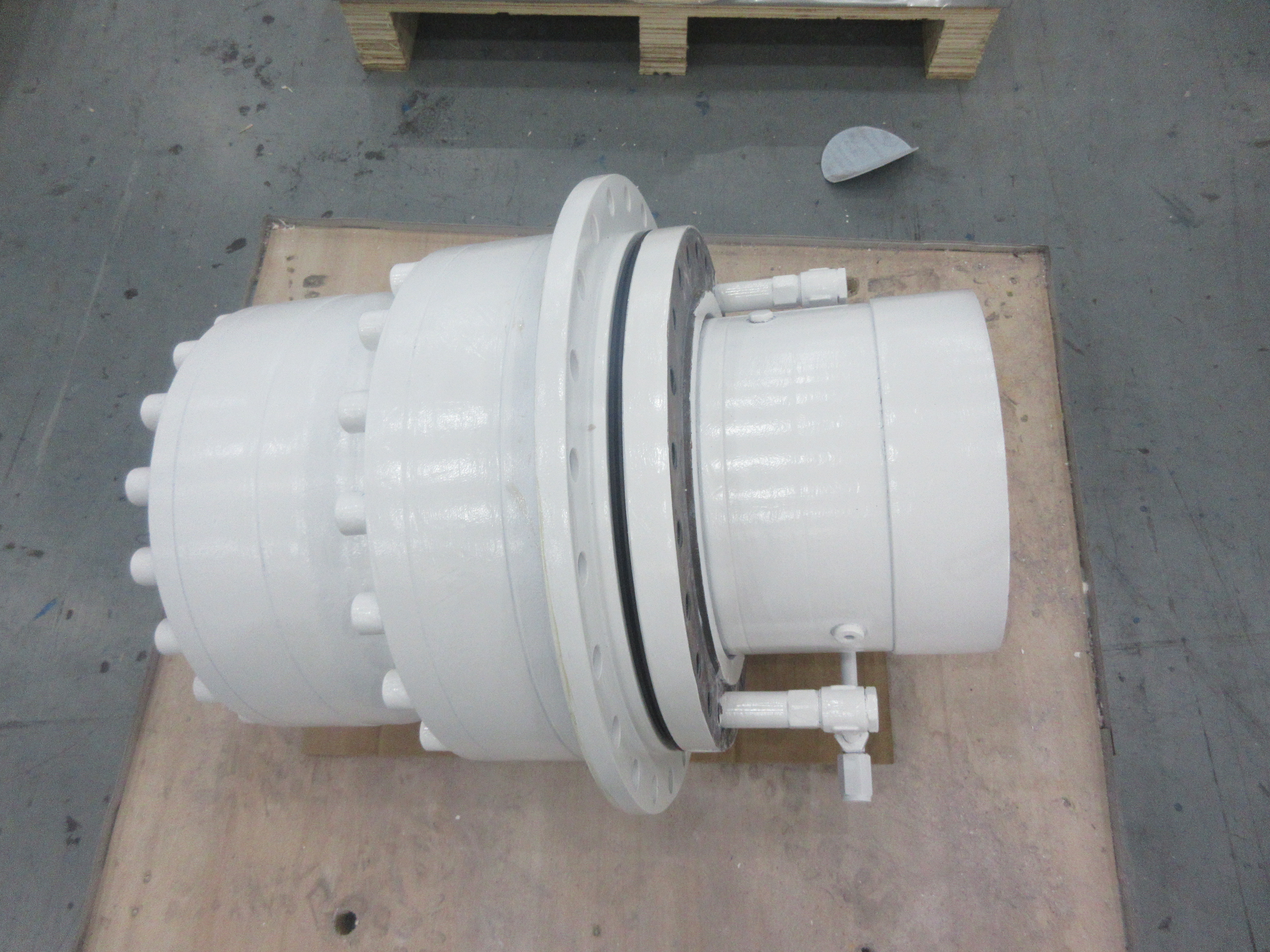
Teisingos malūno pavaros skrynios pasirinkimas pavarų dėžė aukštos apkrovos sąlygomis reikalauja išsamių žinių apie eksploatavimo poreikius, mechanines technines charakteristikas ir našumo ribas, kurios tiesiogiai veikia malūno veiksmingumą ir tarnavimo trukmę. Svarbiausi sprendimo faktoriai išeina už paprastų galios perdavimo reikalavimų ribų ir apima sukimo momento tankį, šilumos valdymo galimybes bei gebėjimą ištverti nuolatinę sunkiąją eksploataciją, neprarandant patikimumo ar nesutrikdant techninės priežiūros grafiko.
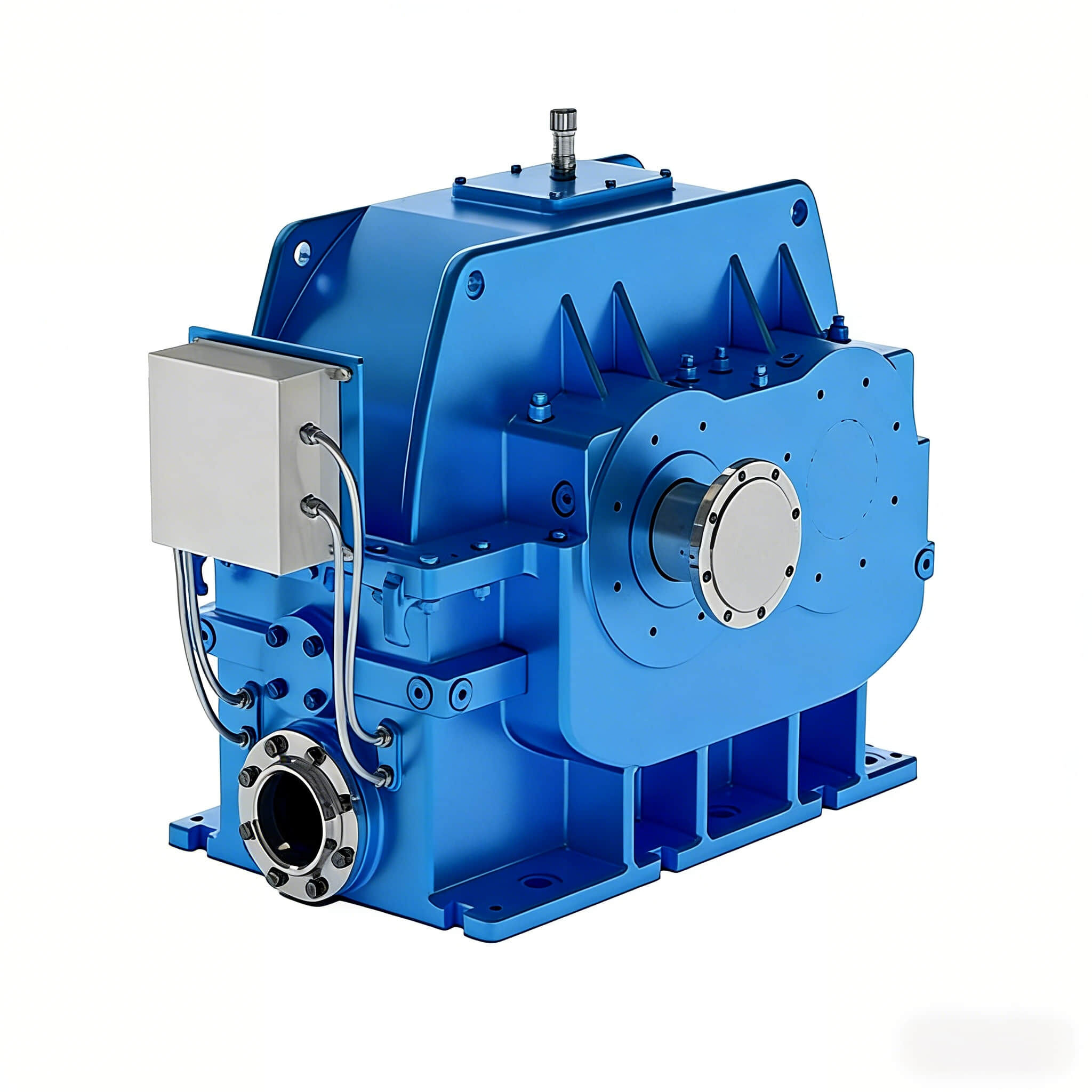
Didelės apkrovos malūnų taikymo sritys kelia unikalius iššūkius, kuriuos standartinės pavarų dėžių konfigūracijos negali tinkamai išspręsti, todėl pavarų dėžės parinkimas tampa kritiniu inžineriniu sprendimu, kuris veikia visą malūno našumą, eksploatacijos kaštus ir gamybos patikimumą. Supratimas apie konkretų jūsų malūno apkrovos pobūdį, darbo ciklo reikalavimus ir aplinkos sąlygas sudaro pagrindą informuotam pavarų dėžės parinkimo sprendimui, kuris optimizuoja tiek nedelsiant pasiektą našumą, tiek ilgalaikę eksploatacinę sėkmę.
Didelės apkrovos malūnų reikalavimų supratimas
Apkrovos charakteristikos ir eksploataciniai reikalavimai
Didelės apkrovos malūno sąlygos paprastai apima nuolatinę veikimą esant reikšmingiems sukimo momento reikalavimams, kurie dažnai viršija standartines pramonines reduktorius daugiau nei reikšmingai. Šios sąlygos reikalauja reduktorių, kurie gebėtų išlaikyti maksimalią apkrovą, kuri gali siekti 200–300 % nominalios apkrovos vertės paleidimo metu arba kai įrenginyje užsikemša medžiaga. Malūno reduktorius turi užtikrinti nuoseklų našumą šiomis ekstremaliomis sąlygomis, tuo pat metu teikdamas patikimą galios perdavimą visą ilgą veikimo laikotarpį.
Smulkintuvų veiklos pobūdis sukuria kintamus apkrovos režimus, kurie svyruoja priklausomai nuo medžiagos savybių, pašarų padavimo našumo ir apdorojimo reikalavimų. Tinkamai parinktas smulkintuvo reduktorius turi gebėti prisitaikyti prie šių apkrovos svyravimų be mechaninio įtempimo, kuris gali sukelti ankstesnį sugadinimą ar sumažinti eksploatacinę efektyvumą. Šių apkrovos režimų supratimas leidžia inžinieriams nustatyti reduktorių konfigūracijas, kurios užtikrina pakankamus saugos rezervus, tuo pat metu optimizuodamos galios perdavimo efektyvumą.
Eksploatacijos ciklo veiksniai lemia svarbų vaidmenį renkantis smulkintuvo reduktorius, nes nuolatinės veiklos reikalavimai reikalauja tvirto konstrukcinio sprendimo ir patobulintų tepimo sistemų. Reduktorius turi išlaikyti optimalius veikimo parametrus ilgą laiką be dažnų techninės priežiūros įsikišimų, kurie gali sutrikdyti gamybos grafikus.
Aplinkos ir eksploatacijos apribojimai
Plieno gamybos įmonėse dažnai susiduriama su sunkiomis sąlygomis, įskaitant dulkių poveikį, ekstremalias temperatūras ir vibraciją, kurios gali žymiai paveikti pavaros skilčių našumą ir tarnavimo trukmę. Pasirinkta pavaros skiltis turi turėti apsauginių funkcijų ir būti tvirtai sukonstruota, kad užtikrintų patikimą veikimą net nepalankiomis aplinkos sąlygomis. Veiksmingos sandarinimo sistemos neleidžia užteršti įrenginio ir tuo pačiu užtikrina tinkamą tepimą nepalankiomis sąlygomis.
Temperatūros valdymas tampa ypač svarbus aukštos apkrovos plieno gamybos įmonėse, kur šilumos gamyba perduodant galią viršija standartinių pavaros skilčių šiluminį pajėgumą. Pavaros skiltyje turi būti integruotos pažangios aušinimo sistemos ir šilumos išsiskyrimo funkcijos, kad būtų palaikomos optimalios darbo temperatūros ir būtų išvengta šiluminės žalos vidinėms detalėms.
Dėmesio reikalauja virpesių izoliacija ir montavimo sąlygos, pasirenkant malūno pavaros dėžę, nes veikiant malūnui kylantys dinaminiai jėgos gali sukelti rezonanso sąlygas, kurios turi įtakos tiek pavaros dėžės veikimui, tiek konstrukcijos vientisumui. Tinkama virpesių kontrolė užtikrina stabilią veikimą ir padeda pratęsti komponentų tarnavimo laiką.
Svarbiausios pavaros dėžės techninės charakteristikos smulkinimo įrenginiams
Momento perdavimo galia ir galios perdavimas
Smulkinimo įrenginio pavaros dėžės momentas turi būti žymiai didesnis už eksploatacines reikalavimus, kad būtų galima priimti maksimalias apkrovas ir užtikrinti patikimą veikimą esant kintamoms smulkinimo įrenginio sąlygoms. Eksploatacijos koeficientai smulkinimo įrenginiams paprastai svyruoja nuo 1,5 iki 2,0, kad pavaros dėžė galėtų išlaikyti netikėtus apkrovos šuolius, nepažeisdama mechaninės vientisumos ar veikimo patikimumo.
Galios perdavimo naudingumo koeficientas tiesiogiai veikia malūno eksploatacijos kaštus ir energijos suvartojimą, todėl aukšto naudingumo koeficiento pavarų dėžių projektavimas yra būtinas viso malūno naudingumo koeficiento optimizavimui. Šiuolaikiniai trylikaisnis pavarų dėžių naudingumo koeficientai viršija 95 % dėl tikslaus gamybos proceso ir pažangaus dantų profilio, kuris mažina trinties nuostolius ir šilumos susidarymą.
Pavaros santykio parinkimas turi atitikti malūno sukimosi dažnio reikalavimus ir variklio charakteristikas, kad būtų optimizuota galios perdavimas ir eksploatacinis naudingumas. Pasirinktas pavaros santykis veikia tiek sukimo momento padidinimą, tiek sukimosi dažnį, tiesiogiai įtakodamas malūno naudingumą ir medžiagų apdorojimo galimybes.
Statybos medžiagos ir konstrukcijos ypatybės
Didelės stiprybės plieno lydiniai ir paviršiškai kietinti dantys užtikrina reikiamą ilgaamžiškumą nuolatiniam didelės apkrovos malūno darbui. Medžiagų parinkimo procese įvertinami tokie veiksniai kaip nuovargio atsparumas, ausčių savybės ir šiluminė stabilumas nuolatinės eksploatacijos sąlygomis.
Sudėtingos guolių sistemos, sukurtos sunkiosios naudos taikymui, užtikrina patikimą besisukančių detalių atramą ekstremaliomis apkrovos sąlygomis. Šios guolių konfigūracijos turi gebėti priimti tiek spindulines, tiek ašines jėgas, tuo pačiu išlaikydamos tikslų pavaraus įrenginio perdavimo elementų išdėstymą visą jo tarnavimo laiką.
Korpuso konstrukcija ir konstrukcinis sustiprinimas užtikrina reikiamą standumą, kad būtų išlaikytas pavaraus įrenginio perdavimo elementų išdėstymas esant didelėms apkrovoms, taip pat kad būtų įmanoma kompensuoti šiluminį išsiplėtimą ir eksploatacines apkrovas. Tinkama korpuso konstrukcija neleidžia deformacijoms, kurios gali sukelti netolygų ausis arba per anksti sugenda detales.
Parinkimo metodologija ir inžineriniai apsvarstymai
Apkrovos analizė ir techninių reikalavimų parengimas
Išsami apkrovos analizė sudaro tinkamo malūno pavaros atrankos pagrindą ir reikalauja išsamaus veiklos sukimo momento profilio, greičio reikalavimų ir eksploatavimo ciklo charakteristikų įvertinimo. Ši analizė nustato maksimalias apkrovas, nuolatinės veiklos parametrus ir dinamines apkrovos sąlygas, kurios įtakoja pavaros techninius reikalavimus.
Pritaikyti eksploatavimo koeficientai atsižvelgia į malūnų aplinkos unikalius veiklos bruožus, įskaitant smūginę apkrovą, kintamas medžiagos savybes ir paleidimo sukimo momento reikalavimus. Šie koeficientai užtikrina, kad pasirinkta pavaros turės pakankamai talpos rezervo patikimam veikimui visomis numatomomis sąlygomis.
Naudojant modeliavimą ir imitaciją, įvyksta našumo patvirtinimas, kuris patvirtina pavarų dėžės pasirinkimą prieš įdiegiant, taip sumažinant eksploatacinių problemų riziką ir optimizuojant malūno našumo charakteristikas. Šiuolaikiškos modeliavimo technologijos leidžia prognozuoti pavarų dėžės elgesį įvairiomis apkrovos sąlygomis, todėl galima priimti pagrįstus pasirinkimo sprendimus.
Integravimo ir montavimo aspektai
Tinkamas malūno pavarų dėžės integravimas reikalauja atidžiai įvertinti montavimo konfigūracijas, lygiavimo reikalavimus ir sujungimo sistemas, kurios užtikrina optimalią galią perduodant ir tuo pat metu atsižvelgia į eksploatacines apribojimų sąlygas. Montavimo sistema turi užtikrinti stabilų palaikymą, leisdama šiluminiam išsiplėtimui ir eksploatacinėms reguliavimams.
Sujungimo elemento pasirinkimas veikia tiek pavarų dėžės našumą, tiek jos tarnavimo trukmę, nes netinkami sujungimo elemento parametrai gali sukelti virpesius, nešalinio įtempimus ir dinamines apkrovas, kurios viršija pavarų dėžės projektavimo parametrus. Lankstieji sujungimo elementai kompensuoja nedidelį nešalinį, tuo pat metu užtikrindami patikimą galią perduodant.
Techninės priežiūros prieigos ir aptarnavimo galimybės įtakoja tiek pavaros dėžės pasirinkimą, tiek įrengimo planavimą, kad būtų užtikrinta, jog įprastinės techninės priežiūros procedūros būtų atliekamos efektyviai, nepertraukiant malūno veiklos grafiko. Lengvai pasiekiamos tepalo papildymo vietos, apžvalgos angos ir komponentų keitimo galimybės padidina eksploatacinį patikimumą.
Našumo optimizavimas ir priežiūros strategijos
Alyvavimo sistemos ir šilumos valdymas
Aukštos apkrovos malūnams skirtos pažangios tepimo sistemos užtikrina nuolatinį alyvos cirkuliavimą, filtravimą ir aušinimą, kad būtų išlaikoma optimali pavaros dėžės našumas sunkiomis eksploatacinėmis sąlygomis. Šios sistemos stebi alyvos temperatūrą, slėgį ir užterštumą, kad būtų užtikrinta nuolatinė alyvos kokybė ilgalaikiuose eksploatavimo laikotarpiu.
Šilumos valdymo strategijos neleidžia perkaisti, kas gali pabloginti malūno pavaros dėžės veikimą ir sumažinti komponentų tarnavimo trukmę. Įmontuotos aušinimo sistemos, šilumos mainai ir temperatūros stebėjimas leidžia nuolat veikti didelėmis apkrovomis, išlaikant optimalią darbinę temperatūrą.
Alyvos analizės programos leidžia ankstyvai aptikti ausimąsi, užterštumą ir komponentų susidėvėjimą, kurie gali paveikti malūno veikimo patikimumą. Reguliarus stebėjimas leidžia planuoti profilaktinį techninį aptarnavimą ir išvengti netikėtų gedimų, kurie gali sutrikdyti gamybą.
Stebėjimas ir numanomasis techninis aptarnavimas
Drebėjimo stebėjimo sistemos aptinka kylančias problemas malūno pavaros dėžės veikime dar prieš tai, kol jos virsta gedimais, leisdamos planuoti techninio aptarnavimo intervencijas, kad būtų mažinami gamybos sutrikimai. Pažangios stebėjimo sistemos stebi drebėjimo charakteristikas, temperatūros pokyčius ir veikimo parametrus, kad būtų galima nustatyti potencialias problemas.
Remontų, grindžiamų būklės stebėjimu, strategijos optimizuoja malūno pavaros patikimumą, tuo pačiu mažindamos remonto sąnaudas, priimant sprendimus, paremtus duomenimis. Šios metodikos padeda pratęsti komponentų tarnavimo laiką, užtikrindamos nuolatinę malūno našumą viso eksploatacijos ciklo metu.
Našumo tendencijų analizė nustato postūmiškus pokyčius malūno pavaros veikimo charakteristikose, kurie gali rodyti besiformuojančias problemas arba galimybes optimizuoti veikimą. Nuolatinis stebėjimas leidžia laiku atlikti aktyvius derinimus, kurie išlaiko aukščiausią našumą ir neleidžia brangiai sugadinti įrangos.
Dažniausiai užduodami klausimai
Kokį naudojimo koeficientą reikėtų taikyti renkantis malūno pavarą aukštos apkrovos sąlygomis?
Aukštos apkrovos malūno taikymo srityse naudojimo koeficientai paprastai svyruoja nuo 1,5 iki 2,0, priklausomai nuo konkrečių eksploatacijos charakteristikų ir apkrovos pobūdžio. Šie koeficientai atsižvelgia į smūginę apkrovą, kintamas medžiagų savybes ir paleidimo sukimo momentą, kuris viršija nominalias eksploatacijos sąlygas.
Kaip pavaraus santykio pasirinkimas veikia malūno pavaros našumą aukštos apkrovos taikymo sąlygomis?
Pavaros santykio pasirinkimas tiesiogiai veikia sukimo momento dauginimą, sukimosi greitį ir galios perdavimo charakteristikas, kurios lemia malūno apdirbimo efektyvumą. Optimalus santykis subalansuoja sukimo momento reikalavimus su greičio poreikiais, tuo pat metu atsižvelgdama į variklio charakteristikas ir konkrečius malūno taikymo eksploatacijos apribojimus.
Kokie yra pagrindiniai skirtumai tarp standartinių pramonės pavarų dėžių ir tų, kurios suprojektuotos didelėms apkrovoms malūnuose?
Malūnams skirtos pavarų dėžės įtraukia patobulintas konstrukcinės medžiagas, tvirtas guolių sistemas, pažangias tepimo galimybes ir šilumos valdymo funkcijas, kurios leidžia patikimai veikti ekstremaliomis apkrovomis. Šie sprendimai užtikrina didesnį sukimo momento tankį, geresnę šilumos šalinimą ir ilgesnį tarnavimo laiką lyginant su standartinėmis pramoninėmis konfigūracijomis.
Kokio svarbos yra šilumos valdymas pasirenkant malūnų pavarų dėžes aukštos apkrovos taikymams?
Šilumos valdymas yra kritiškai svarbus, kad būtų išlaikytos smulkios reduktoriaus našumas ir ilgaamžiškumas didelės apkrovos sąlygomis, kai šilumos gamyba gali viršyti standartines aušinimo galimybes. Veiksmingas šilumos valdymas neleidžia komponentams susidėvėti, išlaiko tepalo veiksmingumą ir užtikrina nuoseklų našumą visą ilgą eksploatacijos laikotarpį.
Turinys
- Didelės apkrovos malūnų reikalavimų supratimas
- Svarbiausios pavaros dėžės techninės charakteristikos smulkinimo įrenginiams
- Parinkimo metodologija ir inžineriniai apsvarstymai
- Našumo optimizavimas ir priežiūros strategijos
-
Dažniausiai užduodami klausimai
- Kokį naudojimo koeficientą reikėtų taikyti renkantis malūno pavarą aukštos apkrovos sąlygomis?
- Kaip pavaraus santykio pasirinkimas veikia malūno pavaros našumą aukštos apkrovos taikymo sąlygomis?
- Kokie yra pagrindiniai skirtumai tarp standartinių pramonės pavarų dėžių ir tų, kurios suprojektuotos didelėms apkrovoms malūnuose?
- Kokio svarbos yra šilumos valdymas pasirenkant malūnų pavarų dėžes aukštos apkrovos taikymams?