
 EN
EN



An agitator is a critical component in industries ranging from chemical processing to food manufacturing, pharmaceuticals, and water treatment. The gearbox driving an agitator must meet precise technical requirements to ensure reliable mixing, blending, or suspension of materials. Understanding gearbox requirements for an agitator system is essential for selecting equipment that delivers consistent performance, minimizes downtime, and optimizes energy consumption. This article explores the fundamental specifications and considerations that define successful agitator gearbox integration.
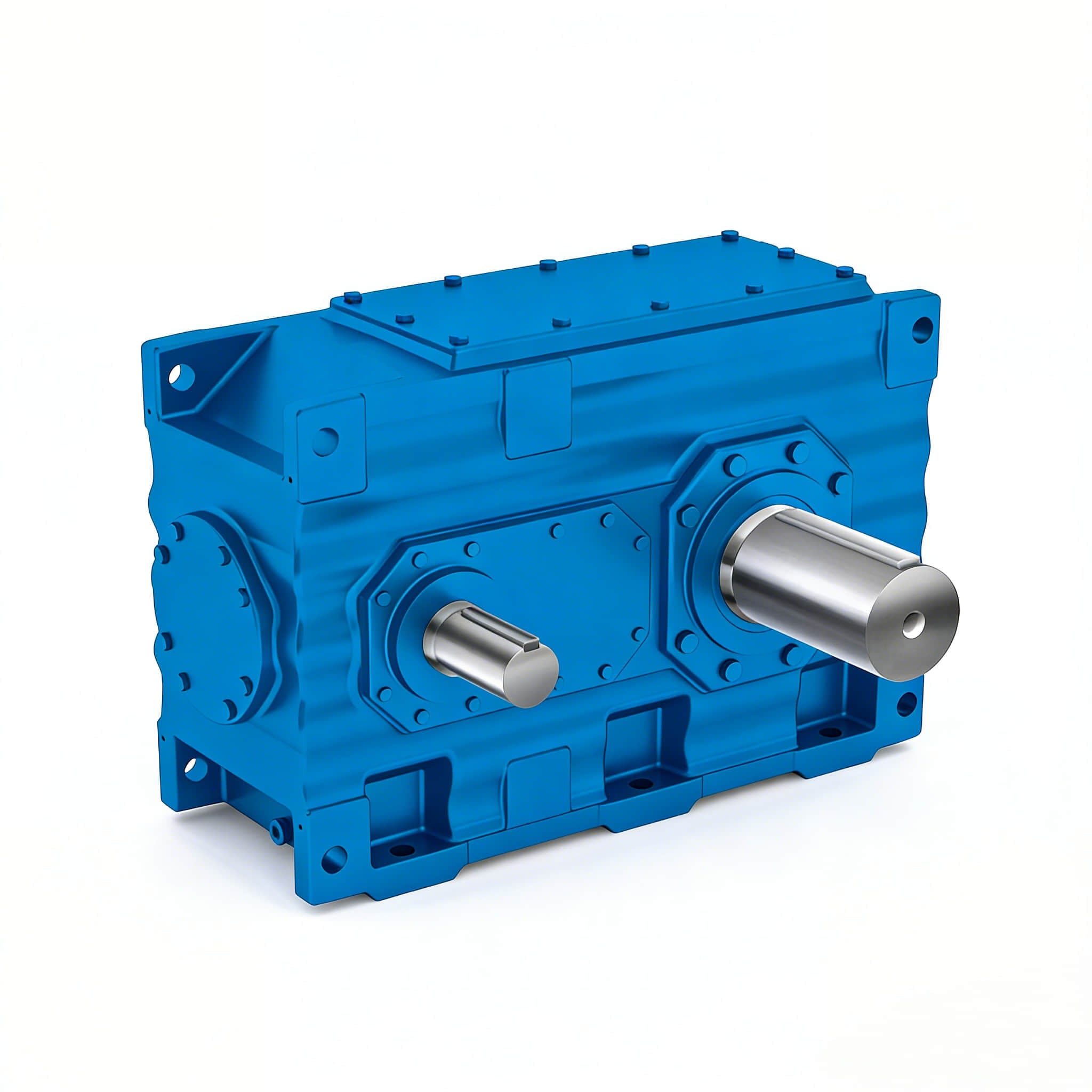
The performance of an agitator depends heavily on the gearbox specifications that power it. Each agitator application imposes unique demands on its drive system, from viscous liquid mixing to high-shear dispersion and gentle folding operations. A properly specified gearbox for an agitator ensures that motor torque is efficiently converted, speed ratios match the mixing regime, and mechanical durability withstands continuous or intermittent duty cycles. Selecting the right agitator gearbox requires understanding these core technical and operational requirements.
Torque and Power Requirements for Agitator Gearbox Design
Calculating Required Torque Output
Every agitator application demands a specific torque output from its gearbox to overcome fluid resistance, blade friction, and momentum forces. The torque requirement for an agitator is determined by the fluid viscosity, tank diameter, blade design, and rotational speed. Higher viscosity liquids require greater torque; an agitator mixing thick slurries needs significantly more power than one handling water-thin solutions. The gearbox for an agitator must be rated to deliver peak torque without slipping, stalling, or thermal overload. Undersizing the gearbox for an agitator results in inadequate mixing, overheating, and premature failure.
Power Transmission Efficiency
Gearbox efficiency directly affects operational cost and heat generation in an agitator system. A high-efficiency agitator gearbox minimizes energy waste and reduces cooling requirements. Modern gearbox designs for an agitator achieve 92–98% efficiency depending on gear type, lubrication, and bearing design. Helical gears in an agitator gearbox provide smoother power transmission and lower noise compared to spur gears. The selected agitator gearbox must balance efficiency with the cost and space constraints of the installation. Energy savings over years of operation justify premium gearbox selections for an agitator in continuous-duty applications.
Speed Reduction and Ratio Selection for Agitator Systems
Matching Motor Speed to Agitator Requirements
Industrial motors typically operate at 1200–3600 RPM, far exceeding the 10–300 RPM range needed for most agitator applications. The gearbox for an agitator must reduce motor speed while maintaining consistent torque delivery. The gear ratio chosen for an agitator gearbox defines this speed conversion and directly impacts mixing intensity, residence time, and fluid shear forces. A 100:1 ratio agitator gearbox reduces a 1800 RPM motor to 18 RPM, suitable for thick paste mixing. A 10:1 ratio agitator gearbox achieves 180 RPM, appropriate for lighter mixing duties. Incorrect speed ratios in an agitator gearbox compromise mixing quality and process consistency.
Variable Speed Control Considerations
Many modern agitator installations employ variable-frequency drives (VFDs) to modulate motor input and achieve precise speed control. An agitator gearbox designed for variable-speed operation must handle reversing loads, transient acceleration, and shock loads during speed transitions. Gearbox for an agitator systems with VFD integration should feature robust input-stage bearings and sufficient structural stiffness to absorb dynamic forces. The thermal rating of an agitator gearbox may differ under variable-speed versus fixed-speed operation. Specifying an agitator gearbox for variable-duty ensures durability and performance across the full operating envelope.
Durability, Reliability, and Maintenance Requirements
Material Selection and Bearing Specification
An agitator gearbox must withstand continuous or intermittent loading without fatigue failure or excessive wear. Bearing selection for an agitator gearbox is critical; deep-groove ball bearings suit light to moderate agitator duties, while tapered roller bearings handle heavy radial and axial loads common in large agitator tanks. Gear material grade—typically AGMA 9005-E15 or equivalent—ensures sufficient bending strength and surface durability for an agitator gearbox operating under sustained loads. Shaft diameter and diameter-to-length ratios in an agitator gearbox influence deflection and gear tooth contact, directly affecting longevity and noise performance.
Thermal Management and Cooling
Continuous operation of an agitator gearbox generates heat from sliding friction between teeth and in bearings. An agitator gearbox operating at high continuous power may require forced cooling or larger surface area for passive dissipation. Most industrial agitator gearbox housings include oil circulation systems or external cooling loops to maintain operating temperature between 60–80°C. Thermal stability of the agitator gearbox lubricant affects viscosity, film strength, and oxidation resistance. Inadequate cooling of an agitator gearbox shortens bearing life, accelerates gear tooth wear, and risks catastrophic seals failure.
Maintenance Access and Monitoring
An agitator gearbox must be designed for practical inspection, lubrication, and bearing replacement without disassembling the entire tank assembly. Removable covers, accessible oil plugs, and condition-monitoring ports simplify maintenance for an agitator gearbox. Temperature sensors and vibration monitoring fixtures integrated into an agitator gearbox housing enable predictive maintenance scheduling. Scheduled oil analysis of the agitator gearbox reveals wear patterns, contamination ingress, and early fault signatures. Robust maintenance accessibility ensures long service life and reduces unplanned downtime for an agitator gearbox.
FAQ
What viscosity lubricant should I use in an agitator gearbox?
Most industrial agitator gearbox applications use ISO VG 46 to ISO VG 220 mineral oils, selected based on ambient temperature, load intensity, and cooling system design. Synthetic lubricants for an agitator gearbox offer extended drain intervals, superior thermal stability, and better low-temperature fluidity in cold climates. Consult the agitator gearbox manufacturer's specification sheet and your lubrication supplier to confirm the optimal oil grade. Over-filling or under-filling an agitator gearbox compromises cooling and gear tooth contact, so adhere strictly to the level recommendations marked on the gearbox housing.
How often should an agitator gearbox be serviced?
Routine maintenance for an agitator gearbox typically includes oil level checks monthly, oil sample analysis every 500–1000 operating hours, and drain-and-refill intervals every 2000–5000 hours depending on duty cycle and contamination risk. An agitator gearbox in a sealed, clean environment may extend intervals; one exposed to moisture or process splash requires more frequent maintenance. Bearing noise, unusual vibration, or thermal rise signals the need for immediate inspection of the agitator gearbox. Plan major overhauls for an agitator gearbox every 10 years or per the manufacturer's design life estimate.
Can a standard industrial gearbox be adapted for an agitator application?
While some standard industrial gearboxes meet the basic torque and speed requirements, agitator-specific gearboxes incorporate design features—such as reinforced input shafts, optimized cooling passages, and food-grade seals—that standard units lack. An agitator gearbox designed for the application delivers better thermal management, lower vibration transmission to the tank, and integration features that simplify installation. Custom adaptation of a generic gearbox for an agitator may introduce reliability risks and warranty complications. Specifying a purpose-built agitator gearbox from an experienced supplier ensures compliance with industry standards and process safety requirements.