
 EN
EN


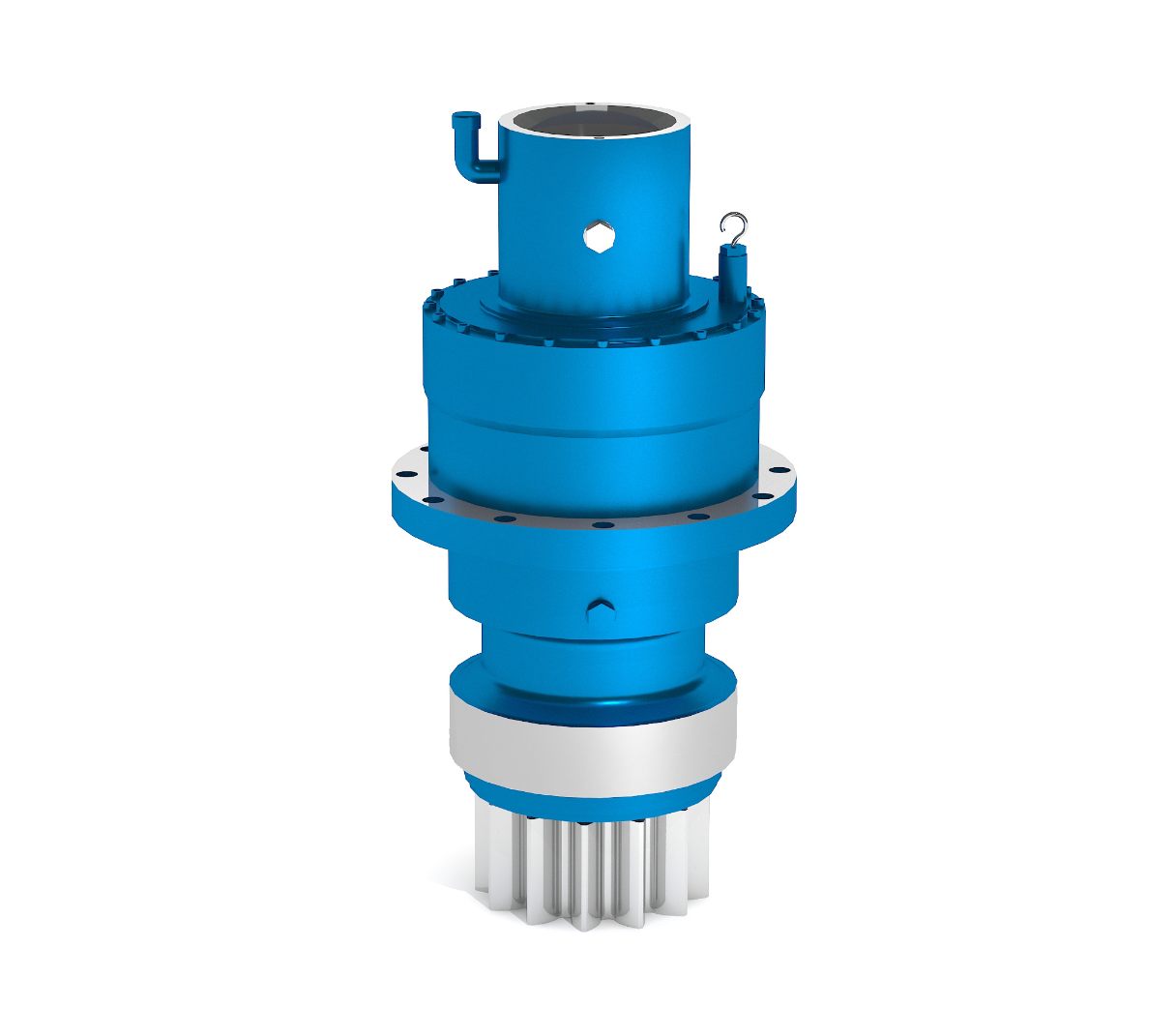
Operating a winch in harsh industrial environments demands rigorous maintenance protocols to ensure longevity, safety, and reliable performance. A winch exposed to extreme temperatures, corrosive chemicals, abrasive dust, saltwater spray, or heavy mud accumulation faces accelerated wear on its gearbox and mechanical components. Understanding how to maintain a winch under these demanding conditions is essential for any organization that depends on lifting, pulling, or tensioning equipment in challenging settings. The gearbox, serving as the heart of any winch system, requires specialized attention to prevent premature failure, unexpected downtime, and costly emergency repairs.

Harsh conditions accelerate degradation of winch components far beyond standard operating environments. Saltwater corrosion, extreme temperature fluctuations, sand infiltration, and chemical exposure all compromise the integrity of a winch gearbox if preventive measures are not consistently applied. Organizations operating winches on offshore platforms, in desert regions, or in chemically intensive industries cannot afford to ignore maintenance demands. The cost of proper winch maintenance is minimal compared to the financial and safety consequences of gearbox failure during critical lifting operations.
Understanding Harsh Environment Impact on Winch Systems
Corrosion and Environmental Degradation
Corrosion represents one of the most destructive forces affecting winch performance in harsh environments. Saltwater exposure accelerates rust formation on steel components, while moisture and oxygen combine to create oxidation that weakens structural integrity. A winch deployed in coastal or offshore applications faces relentless corrosive attack on its gearbox exterior, fasteners, and exposed metal surfaces. Without protective coatings and regular inspection, internal corrosion can compromise gear teeth, bearing races, and shaft alignment within the winch gearbox, leading to catastrophic failure.
Chemical environments introduce additional corrosion vectors that standard protective measures may not address. Industrial facilities using caustic solutions, acidic processes, or hydrocarbon-based fluids create aerosol and vapor conditions that penetrate traditional winch seals. Temperature cycling in harsh climates exacerbates this problem by creating micro-fractures in protective coatings and expanding gaps in winch gearbox seals, allowing contaminants deeper access to critical surfaces.
Abrasive Material Infiltration
Dust, sand, and particulate matter present in harsh industrial environments pose an insidious threat to winch reliability. Even microscopic abrasive particles entering the winch gearbox can create scoring on gear surfaces, accelerating wear and increasing friction and heat generation. Desert operations, mining applications, and construction sites in arid regions expose winches to continuous sand infiltration despite best sealing efforts. A winch operating in such conditions experiences dramatically reduced service intervals for gearbox oil and component replacement compared to controlled environments.
Proper winch sealing design and maintenance become non-negotiable in abrasive environments. Regular inspection of seals, gaskets, and breather elements prevents sand and dust from compromising the internal winch gearbox environment. Organizations must prioritize seal replacement schedules and upgrade to higher-performance sealing solutions when operating winches in exceptionally dusty or sandy conditions.
Essential Maintenance Protocols for Harsh Condition Winches
Lubrication and Oil Management
Maintaining proper lubrication is the cornerstone of winch gearbox preservation in harsh conditions. The oil within a winch gearbox must resist oxidation, maintain viscosity across extreme temperature ranges, and provide superior film strength under heavy loading. In harsh environments, standard gear oils may degrade rapidly due to thermal stress, moisture intrusion, or chemical contamination, requiring selection of premium synthetic or semi-synthetic formulations specifically rated for extreme-duty applications. A winch operator must establish aggressive oil sampling schedules—monthly or quarterly rather than annually—to detect degradation, contamination, or water ingress early.
Oil change intervals for a winch operating under harsh conditions should be halved compared to standard duty cycles. Contaminated oil accelerates wear on gear teeth and bearing surfaces within the winch gearbox, so frequent oil replacement becomes an investment in reliability. Additionally, oil coolers and heating systems may be necessary to maintain optimal winch gearbox operating temperature ranges when environmental conditions fluctuate dramatically. Monitoring oil temperature, viscosity, and cleanliness through regular laboratory analysis provides objective data for maintenance decision-making.
Seal and Gasket Inspection
The integrity of seals and gaskets directly determines whether contaminants infiltrate a winch gearbox or remain excluded. Harsh environments create multiple threats to seal performance: ultraviolet degradation of elastomers, thermal cycling stress causing material hardening or embrittlement, and chemical attack on seal materials. Quarterly inspection of all accessible seals on a winch is essential, looking for cracks, hardening, or visible deterioration. Organizations should maintain spare seal kits on site to enable rapid replacement when deterioration is detected, preventing costly downtime.
Advanced seal designs specifically engineered for harsh-duty winch applications often justify the additional investment. Double-seal configurations, lip seals with secondary containment chambers, and elastomer materials resistant to ozone and UV radiation all enhance winch durability in challenging environments. When operating a winch in extreme conditions, upgrading to premium seal solutions becomes a preventive maintenance priority that extends gearbox life significantly.
Corrosion Protection and Coating Maintenance
External corrosion protection begins with robust initial coating systems but continues through consistent monitoring and touch-up maintenance. A winch deployed in saltwater or chemically aggressive environments must have protective coatings inspected at least quarterly for damage, peeling, or rust breakthrough. Any compromised areas should be cleaned, primed, and recoated immediately to prevent corrosion propagation. Many organizations establish a preventive recoating schedule every two to three years for harshly exposed winches, even if damage is not yet visible.
Selecting the correct coating system for harsh conditions requires consultation with corrosion specialists who understand the specific environmental threats. Epoxy-polyester topcoats, polyurethane systems, and industrial zinc-rich primers each offer different protection profiles against saltwater, industrial chemicals, and UV exposure. For a winch gearbox in coastal service, marine-grade coating systems provide superior long-term protection compared to standard industrial finishes. Maintenance records documenting coating application dates and inspection results prove invaluable for planning recoating intervals.
Operational and Maintenance Best Practices
Load Testing and Inspection Protocols
Regular load testing serves dual purposes: verifying safe operational capacity and detecting internal gearbox damage that may not produce external symptoms. A winch should undergo controlled load tests quarterly, with results documented to establish baseline performance trends. Increases in slack-rope creep, load drift, or unusual vibration patterns during testing indicate potential internal wear or misalignment within the winch gearbox that demands immediate investigation. Modern monitoring systems using accelerometers and temperature sensors provide continuous operational data that supports predictive maintenance decisions.
Documentation of all inspections, repairs, and maintenance activities creates a historical record crucial for supporting maintenance decision-making. Tracking patterns in failure modes, component replacement frequencies, and performance degradation helps identify systemic issues requiring design upgrades or modified operational practices. Organizations that maintain comprehensive winch maintenance logs can correlate environmental factors with failure rates, optimizing maintenance intervals specifically for their operational context.
Replacement Part Strategy
Harsh-condition winch operations benefit from maintaining an inventory of critical replacement components: seal kits, bearing assemblies, synthetic lubricants, and repair supplies. By keeping essential items on hand, maintenance teams can respond rapidly to detected problems without awaiting parts delivery, minimizing unplanned downtime. For mission-critical winches operating in remote harsh environments, maintaining backup gearbox units or major assemblies ensures continuous operational capability even during major maintenance events.
Establishing relationships with specialized winch gearbox suppliers supports access to premium-quality components engineered for harsh-duty service. Custom-engineered gearbox solutions designed specifically for extreme operating conditions often outperform standard industrial components, justifying the higher investment through extended service life and improved reliability. Selecting suppliers who understand harsh-environment requirements ensures that replacement parts meet or exceed the performance standards necessary for your specific operational challenges.
FAQ
How often should a winch gearbox be serviced in harsh conditions?
A winch gearbox operating in harsh conditions should be serviced every three to six months, compared to annual intervals for standard-duty applications. This aggressive schedule includes oil analysis, seal inspection, corrosion assessment, and lubrication replenishment. The exact interval depends on specific environmental factors, duty cycle intensity, and historical performance data. Regular servicing prevents contamination accumulation and catches developing problems before they cause catastrophic failure.
What type of oil protects a winch gearbox in extreme temperatures?
Premium synthetic gear oils with wide viscosity ratings specifically designed for extreme-duty applications provide optimal protection for a winch gearbox in harsh conditions. These formulations resist oxidation across temperature extremes, maintain film strength under heavy loads, and remain flowable in cold environments. Many synthetic oils incorporate anti-corrosion additives and demulsifying agents that shed water contamination, critical for winches exposed to moisture. Consulting the winch manufacturer's specification and conducting oil analysis helps determine the best lubricant choice for your specific harsh environment.
Can coating systems prevent corrosion on exposed winch components?
Quality coating systems significantly reduce corrosion rates on exposed winch surfaces but cannot entirely prevent it in harsh environments without accompanying maintenance. Marine-grade epoxy and polyurethane coatings provide excellent saltwater protection when properly applied and regularly inspected. However, coating degradation from UV exposure, thermal cycling, and mechanical damage requires ongoing maintenance and periodic recoating. Combining protective coatings with regular inspection, touch-up painting, and aggressive maintenance protocols provides the most effective corrosion control strategy for harsh-condition winches.