
 EN
EN


Selecting the right agitator for your mixing equipment is one of the most critical decisions in industrial processing. An agitator that matches your application requirements will deliver consistent product quality, minimize energy consumption, and extend equipment lifespan. Conversely, an inappropriately chosen agitator can lead to poor mixing uniformity, excessive maintenance costs, and operational inefficiency. The selection process requires careful evaluation of fluid properties, tank geometry, production volume, and desired mixing outcomes to ensure your agitator performs optimally under real operating conditions.
The process of choosing an agitator involves understanding how different agitator designs interact with your specific fluid characteristics and vessel configuration. Whether you are working with viscous slurries, suspensions, or low-viscosity liquids, the agitator type, speed, and power requirements must align precisely with your process goals. This comprehensive guide walks you through the essential factors that determine agitator performance and provides practical decision-making frameworks to help you select the most suitable solution for your mixing challenges.
Understanding Agitator Types and Their Applications
Recognizing Common Agitator Designs
Different agitator designs are engineered to handle distinct mixing tasks and fluid properties. A radial-flow agitator like a Rushton turbine generates strong radial discharge patterns ideal for suspending solids and promoting rapid mixing in low to moderate viscosity fluids. An axial-flow agitator such as a pitched-blade turbine creates vertical circulation patterns that work well for larger tanks and promote gentle blending without excessive shear. Anchor and paddle-type agitator units are designed for highly viscous materials where gentle mixing and wall contact are required to prevent settling and ensure uniform consistency throughout the vessel.
Matching Agitator Design to Fluid Behavior
Your fluid's viscosity is the primary factor determining which agitator will perform best. For low-viscosity liquids below 100 centipoises, a high-speed turbine-type agitator creates sufficient turbulence for effective mixing. Medium-viscosity fluids between 100 and 10,000 centipoises benefit from slower-speed agitator units that generate adequate circulation without wasting energy on excessive turbulence. Ultra-high-viscosity fluids above 10,000 centipoises require specialized agitator designs such as helical ribbon or close-clearance agitator systems that maintain contact with tank walls and move material efficiently toward the center. Selecting the wrong agitator type for your fluid viscosity will result in either poor mixing uniformity or unnecessary energy consumption and heat generation.
Evaluating Key Performance and Design Parameters
Calculating Agitator Power Requirements
Power consumption is a fundamental specification that directly influences both operating costs and the sizing of your agitator motor and drive system. The power needed by an agitator depends on impeller diameter, rotational speed, fluid density, viscosity, and the desired flow pattern. Industry correlations such as the power number allow engineers to estimate agitator power demand based on these parameters. An oversized agitator will consume excessive energy and generate unwanted heat, while an undersized agitator will fail to achieve adequate mixing homogeneity. Accurate power calculation ensures your agitator operates efficiently and that your motor selection provides sufficient capacity without unnecessary oversizing.
Assessing Agitator Speed and Shear Considerations
The rotational speed of your agitator dramatically affects both mixing intensity and product quality in shear-sensitive applications. High-speed agitator operation generates strong velocity gradients that can damage heat-sensitive materials, emulsions, or biological products. Low-speed agitator operation reduces shear but may compromise mixing uniformity if the vessel is large or if settling is a concern. The optimal agitator speed balances mixing effectiveness with product integrity requirements. For applications processing delicate slurries, dispersions, or living cell cultures, a slower-speed agitator with larger impeller diameter often achieves superior results compared to a high-speed agitator with smaller diameter. Understanding the shear tolerance of your product will guide agitator speed selection and prevent quality defects.
Sizing Agitator Equipment for Vessel Geometry and Capacity
Determining Proper Agitator Proportions Within the Tank
The relationship between agitator impeller diameter and tank diameter is critical to achieving uniform mixing throughout the entire vessel volume. Standard engineering practice recommends that an agitator impeller diameter should be approximately one-third the tank diameter to balance mixing effectiveness with mechanical efficiency. Tanks with extreme aspect ratios or unusual shapes may require custom agitator configurations to ensure the impeller generates adequate circulation patterns at all height levels. An agitator that is too small relative to tank size will create dead zones where fluid remains unmixed, while an oversized agitator may contact tank walls and cause vibration or mechanical damage. Proper agitator proportioning ensures consistent product quality and reliable long-term operation without mechanical stress.
Selecting Agitator Configurations for Volume and Production Goals
Your production volume and desired mixing time directly determine the agitator capacity and specifications required for your process. Small batch operations may use portable or tabletop agitator systems, while large-scale continuous production demands robust installed agitator units with high-capacity drives. Mixing time calculations for your specific agitator type, impeller size, and fluid properties will reveal whether your proposed agitator can meet production schedules. If the required mixing time exceeds your available time window, you must either increase agitator speed and power or select an agitator design with superior flow characteristics for your application. Careful capacity planning prevents bottlenecks and ensures your agitator delivers the throughput your operation demands.
Implementation and Operational Considerations
Evaluating Agitator Drive and Control Requirements
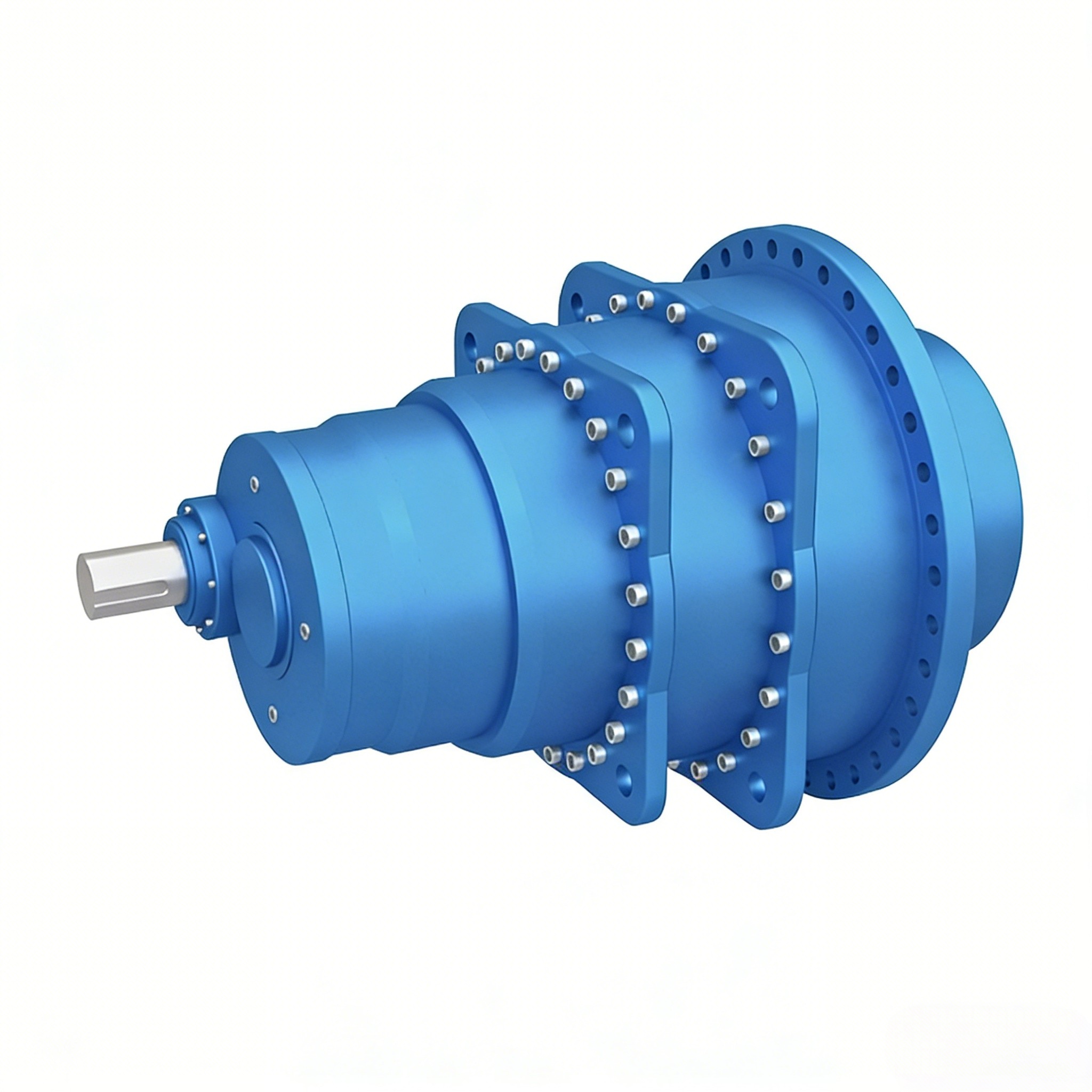
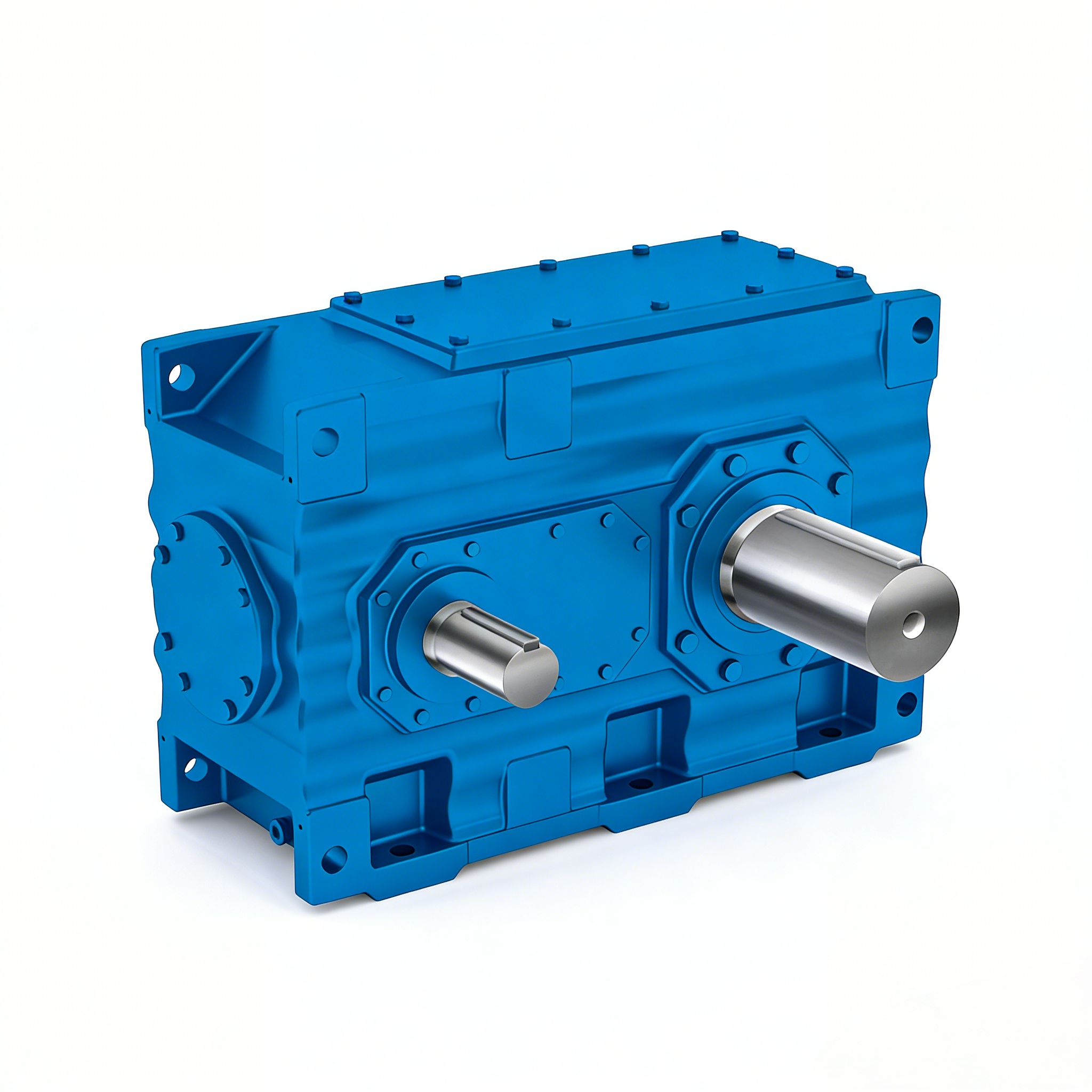
The drive system supporting your agitator must provide reliable power transmission and robust mechanical support during operation. An agitator gearbox is often essential for matching motor speed to optimal agitator impeller rotation rates while providing torque multiplication. Direct motor coupling works for high-speed applications but limits the flexibility to adjust agitator speed after installation. Variable-speed drives enable real-time agitator speed adjustment to respond to changing fluid properties or production requirements without replacing mechanical components. Selecting the appropriate drive configuration for your agitator ensures safe operation, extends equipment life, and provides operational flexibility for process optimization.
Planning for Agitator Maintenance and Long-Term Reliability
An agitator system requires regular maintenance to prevent mechanical failure and maintain consistent performance over time. Bearing lubrication, seal inspection, and vibration monitoring are essential practices that detect wear before catastrophic failure occurs. The mechanical complexity of your agitator installation, including shaft design, bearing configuration, and seal selection, influences both maintenance intervals and the likelihood of unexpected downtime. Industrial-grade agitator designs with redundant safety features and accessible maintenance points minimize total cost of ownership despite higher initial investment. Planning your agitator maintenance strategy during the selection phase ensures your mixing equipment delivers reliable performance throughout its operational life.
FAQ
What factors most influence agitator selection for a given application?
The most critical factors determining agitator selection are fluid viscosity, required mixing intensity, tank geometry, production volume, and product shear sensitivity. Your agitator choice must align with these parameters to achieve effective mixing without compromising product quality or consuming excessive energy. Industry-standard guidelines and mixing correlations provide starting points, but application-specific testing often refines the optimal agitator configuration.
How do I calculate the correct agitator size for my vessel?
Standard engineering practice recommends sizing your agitator impeller at approximately one-third the tank diameter to balance mixing uniformity with mechanical efficiency. You should also calculate the required power and mixing time for your agitator using industry correlations based on fluid properties and desired homogeneity. Consulting with mixing equipment specialists can validate whether your proposed agitator configuration will perform reliably under your specific operating conditions.
Why is agitator speed adjustment important for process optimization?
Adjustable agitator speed allows operators to respond to changing fluid properties, production schedules, and quality requirements without equipment replacement. Variable-speed agitator systems reduce energy consumption by eliminating unnecessary mixing intensity during periods when product quality permits lower speed operation. Speed control also protects shear-sensitive materials by allowing gentle mixing during initial processing phases and higher intensity mixing during specific stages when stronger blending is beneficial.