
 EN
EN


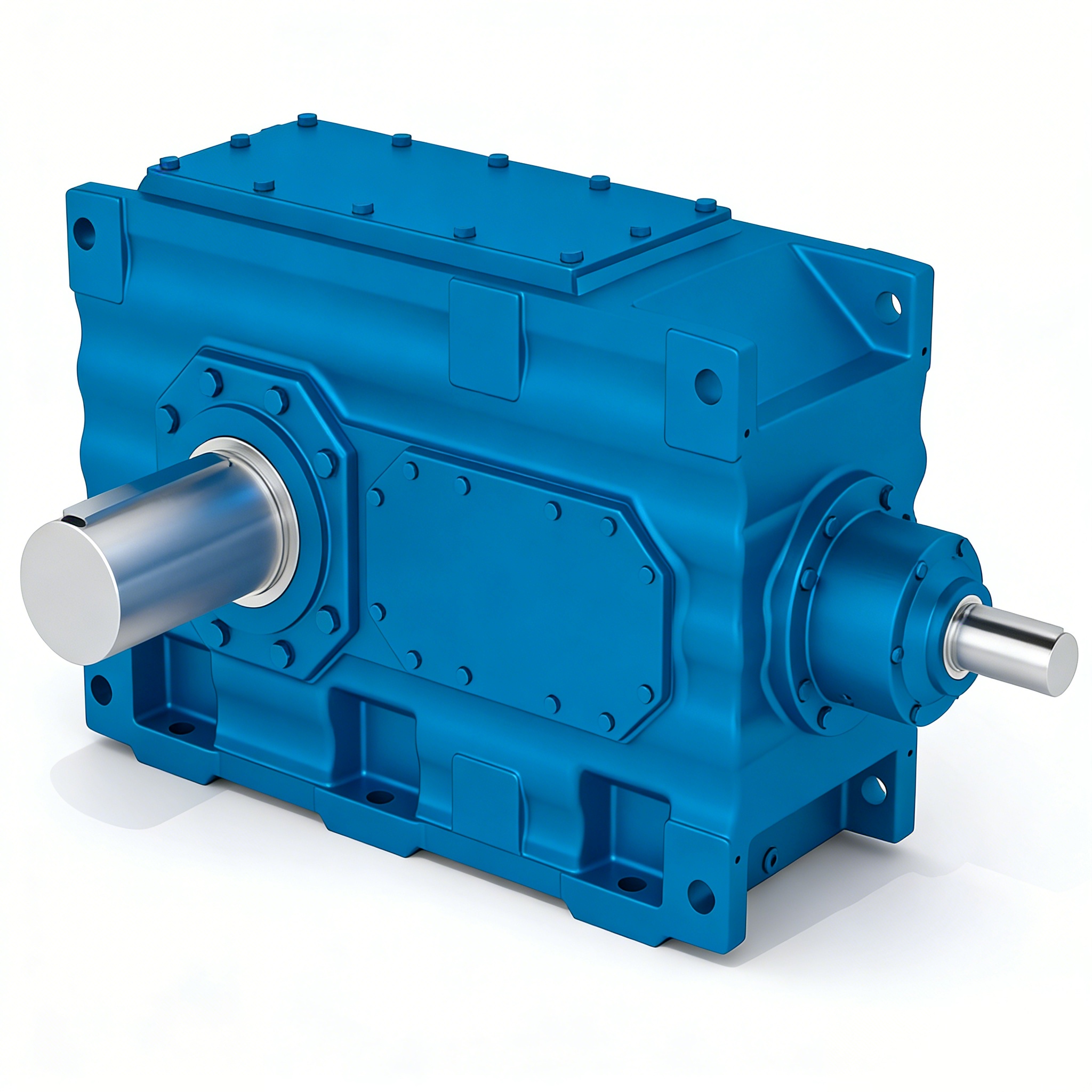
Ang mga hamon sa torque ay kabilang sa pinakamahalagang hadlang sa pagganap sa industriya agitator na mga sistema. Ang isang agitator ay kailangang magbigay ng pare-parehong rotational force upang mai-mix, mai-blend, o mai-suspend ang mga materyales nang mahusay, ngunit ang mga kabiguan na may kinalaman sa torque ang nagdudulot ng malaking operational downtime at gastos sa pagpapanatili sa iba't ibang pasilidad sa paggawa. Ang pag-unawa kung paano nakaaapekto ang torque sa pagganap ng isang agitator ay mahalaga para sa mga inhinyero, mga namamahala ng planta, at mga propesyonal sa pagpapanatili na kailangang i-optimize ang mga operasyon sa pag-mix at palawigin ang buhay ng kagamitan. gearbox performance is essential for engineers, plant managers, and maintenance professionals who need to optimize mixing operations and extend equipment lifespan.
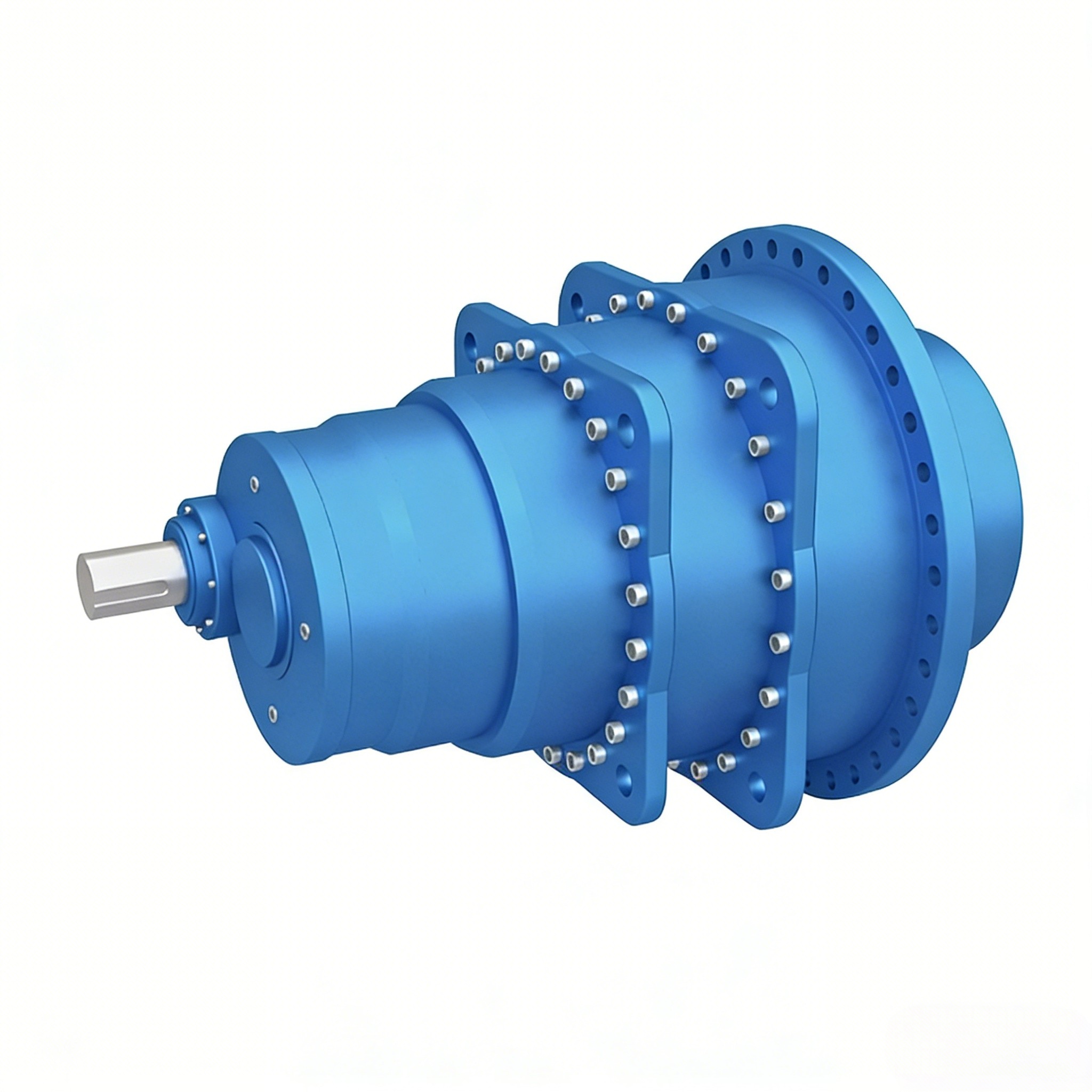
Kapag isang agitator nakakaranas ng hindi inaasahang pagtutol—maging mula sa makapal na likido, mga umuupong solidong materyales, o pagbabago sa temperatura—ang gearbox ay kailangang sumipsip ng biglang pataas na torque na maaaring lumampas sa mga itinakdang parameter nito. Ang mga kondisyong ito ng dinamikong pagkarga ay nagdudulot ng tensyon sa mga ngipin ng gear, mga bilihin, at mga koneksyon ng shaft, na nagbubunga ng isang serye ng mekanikal na kabiguan na binabawasan ang katiyakan ng kagamitan. Ang artikulong ito ay tatalakay sa mga tiyak na hamon sa torque na nakaaapekto sa pagganap ng agitator gearbox at magbibigay ng mga kapaki-pakinabang na pananaw para maiwasan ang mahal na mga kabiguan.
Pag-unawa sa Pangangailangan ng Torque sa mga Operasyon ng Agitator
Paano Ginagawa ng Pagbabago sa Beban ang Tensyon sa Torque
Ang kinakailangang torque ng isang agitator ay nakasalalay sa maraming magkakaugnay na kadahilanan. Ang viscosity ng likido na ina-agitate ay direktang nakaaapekto sa dami ng rotational force na kailangan ipadala ng gearbox. Ang isang likidong may mababang viscosity ay nangangailangan lamang ng kaunting torque, samantalang ang mga highly viscous na materyales, slurries, o mga pulbos na nakasuspends sa likido ay nangangailangan ng malaki pang torque mula sa gearbox ng agitator. Bukod dito, ang dami ng materyales sa loob ng tangke, ang configuration ng blade, at ang bilis ng pag-ikot ay nag-uugnay upang lumikha ng iba’t ibang torque profiles sa buong mixing cycle.
Ang pagbabago ng temperatura ay nagpapalubha sa mga hamon sa torque sa isang sistema ng agitator. Habang ang mga materyales ay nagkakainit o nagkakalamig, nagbabago ang kanilang viscosity, na nag-iiba sa demand ng torque sa gearbox. Maraming proseso sa industriya ang kasali sa mga reaksyon na nakabase sa temperatura kung saan ang isang agitator ay kailangang harapin ang mga peak torque load sa ilang yugto ng batch cycle. Kung walang sapat na torque margin na isinama sa disenyo ng gearbox, ang mga transitoryong peak na ito ay maaaring magdulot ng agarang kabiguan o unti-unting pagkasira ng mahahalagang bahagi.
Mga Pangyayari ng Peak Load at System Shock
Ang isang bilaheng pumipigil na sumasalubong sa naka-istak na materyal o nakakaranas ng biglang pagkakabara ay lumilikha ng torque shock na maaaring tumaas nang malaki sa itaas ng patuloy na rating ng operasyon. Ang mga eventong ito ng peak load ay nangyayari nang hindi inaasahan at tumatagal lamang ng mga bahagi ng segundo, ngunit ipinapasa nila ang mapinsalang puwersa nang direkta sa agitator gearbox at sa bawat konektadong elemento. Dapat tiisin ng mga internal na gear ng isang agitator ang mga impulse na ito nang walang pagbabago ng hugis, pagkakaskala, o pagbuo ng mikro-na-fracture na nagdudulot ng maagang pagsuot.
Ang pagpapalaya ng pagsasara ng preno at ang panandaliang pagkakaroon ng inertia sa pagsisimula ay lumilikha rin ng malaking pansamantalang torque sa isang sistema ng agitator. Kapag ibinigay ang kuryente sa isang stationary na agitator na may punong tangke ng materyales, kailangan ng motor at ng gearbox na paunlarin agad ang isang malaking masa. Ang torque sa pagsisimula na ito ay maaaring lumampas sa torque sa normal na operasyon ng 200 hanggang 300 porsyento, na nagdudulot ng labis na stress sa mga ngipin ng gear at sa mga landas ng bearing. Ang isang gearbox ng agitator na kulang sa kakayahang tumanggap ng torque ay magpapakita ng mga palatandaan ng pinsala sa loob lamang ng unang ilang siklo ng operasyon.
Pang-mekanikal na Pagbaba ng Kalidad Dahil sa Labis na Torque
Mga Pamantayan ng Pinsala sa Ngipin ng Gear
Ang mga hamon sa torque ay lumilitaw bilang nakikitang pinsala sa mga gear ng agitator gearbox. Kapag ang mga pinnakamataas na torque load ay lumampas sa elastic limit ng materyal ng gear, ang ibabaw ng ngipin ay nagkakaroon ng pitting—mga maliit na crater kung saan nawala ang bahagi ng materyal. Habang patuloy na gumagana ang agitator, ang mga pitting na ito ay lumalaki at sumasali sa isa't isa, na humahantong sa pangkalahatang pagkabigo ng ngipin. Kapag nabigong isang ngipin sa agitator gearbox, ang natitirang mga ngipin ay kailangang tumanggap ng mas mataas na load bawat ngipin, na pabilisin ang kabiguan sa buong set ng gear.
Ang spalling ay isa pang mahalagang uri ng kabiguan sa isang sistema ng agitator. Sa ilalim ng labis na torque, ang subsurface material fatigue sa mga ngipin ng gear ay lumilikha ng mga manipis na layer ng delamination na hihiwalay at magpaputol mula sa ibabaw ng ngipin. Ang isang agitator gearbox na may spalling ay maglalabas ng malalakas na tunog na parang grinding o knocking habang gumagana, na nagsasaad ng paparating na kabiguan. Ang mga debris mula sa spalling ay dumudumura sa lubricant, na kumakalat ng pinsala sa mga bearing, seal, at iba pang komponente sa loob ng gearbox.
Pagsisilbi at Pagkakarga ng Shaft
Ang mga bearing sa loob ng isang agitator gearbox ay kailangang suportahan hindi lamang ang radial na mga load mula sa gear mesh kundi pati na rin ang karagdagang side load na nililikha ng torque transmission. Ang labis na torque sa isang agitator ay lumilikha ng hindi pantay na distribusyon ng presyon sa buong bearing raceways, na nagdudulot ng mas mabilis na pagkasira sa isang gilid ng bearing. Ang ganitong asymmetric na pagkakarga ay nagpapababa ng buhay ng bearing at nagpapataas ng friction, na nagbubuo ng init na nagpapababa pa ng performance ng lubricant at nagpapabilis ng kabiguan ng buong agitator assembly.
Ang pagkiling ng shaft ay isang pangalawang ngunit seryosong bunga ng torque overload sa isang agitator system. Kapag ang isang agitator gearbox ay nagtatransmit ng peak torque, ang shaft ay unti-unting lumilibot sa ilalim ng load. Ang paulit-ulit na bending stress—na umuulit ng libo-libong beses bawat shift—ay nagdudulot ng metal fatigue na sa huli ay humahantong sa pagkakahati ng shaft. Ang isang nahati na shaft sa isang agitator gearbox ay maaaring biglang mabasag habang gumagana, na nagdudulot ng katas-tumang kabiguan ng kagamitan at potensyal na mga panganib sa kaligtasan sa proseso na lugar.
Mga Pag-iisip sa Disenyo at mga Estratehiya para sa Pagbawas ng Panganib
Paggamit ng isang Agitator Gearbox na may Sapat na Margin ng Torque
Ang tamang pagpili ng agitator gearbox ay nagsisimula sa tumpak na kalkulasyon ng torque na kasama ang mga pampitik na bebe (peak transient loads), hindi lamang ang average na tuloy-tuloy na torque. Dapat kilalanin ng mga inhinyero ang pinakamasamang senaryo ng torque—pinakamataas na viscosity, pinakamalamig na temperatura sa simula ng operasyon, at pagkakalagay ng blade sa nakadepos na materyales—at i-size ang agitator ayon dito. Ang isang maayos na idisenyong agitator gearbox ay may service factor na 1.5 hanggang 2.0 sa itaas ng kinalkulang pinakamataas na load, na nagpapagarantiya na ang gearbox ay may sapat na kapasidad na labag sa anumang hindi inaasahang pagtaas ng torque.
Ang pagpili ng materyales at ang hugis ng mga gear ay may malaking epekto sa kakayahan ng agitator gearbox na pamahalaan ang mga hamon sa torque. Ang bakal na may mataas na antas at ang mga napapanahong profile ng ngipin ng gear ay nagbibigay-daan sa mga gearbox na tumagal ng mas mataas na torque nang walang permanenteng dehormasyon. Para sa mga kritikal na aplikasyon kung saan ang agitator ay gumagana nang patuloy o kumakapitan ng napakalapot na mga materyales, ang mga espesyal na disenyo ng gearbox na may helical gears, mas malalaking module, o pinatibay na shaft ay nagbibigay ng mas mataas na kakayanan sa torque kumpara sa karaniwang mga konpigurasyon.
Mga Pinakamahusay na Pamamaraan sa Paggana para sa Pamamahala ng Torque
Ang buhay na paggamit ng isang agitator ay lumalawak nang malaki kapag ginagamit ng mga opisyales ng operasyon ang mga gawain na may kamalayan sa torque. Ang mabagal na pagtaas ng bilis ay nababawasan ang biglang pagsalungat sa torque sa isang sistema ng agitator, na nagpapahintulot sa gearbox na dahan-dahang makapasok sa karga imbes na biglang tumanggap ng buong inertia. Ang regular na pagsubaybay sa temperatura ng likido at ang proaktibong pag-aadjust sa bilis ng agitator ay nakakaiwas sa mga biglang pagtaas ng viscosity na nagdudulot ng biglang pagtaas ng torque. Ang regular na paglilinis at pagsusuri ng langis ay nagpapakita ng mga unang palatandaan ng pagsuot na may kaugnayan sa torque sa gearbox ng agitator bago pa man mangyari ang lubhang malubhang kabiguan.
Ang mga koponan na responsable sa pagpapanatili ay dapat mag-inspeksyon sa gearbox ng agitator sa mga takdang panahon na nakabase sa antas ng karga nito, imbes na sa mga arbitraryong iskedyul. Ang mga aplikasyon kung saan ang agitator ay madalas na nakakaranas ng mataas na karga ay nangangailangan ng mas madalas na inspeksyon. Ang pagpapansin sa anumang hindi karaniwang ingay, pagsukat sa pag-vibrate, at pagsubaybay sa mga pagbabago ng temperatura ay nagbibigay ng maagang babala na ang agitator ay nasa ilalim ng labis na torque stress na lumalampas sa mga itinakdang parameter nito. Ang agarang pagtugon sa mga indikador na ito ay nakakaiwas sa mahal na mga emergency repair at sa anumang hindi inaasahang paghinto ng operasyon.
Mga Madalas Itanong
Ano ang ugnayan sa pagitan ng viscosity ng agitator at ng demand sa torque ng gearbox?
Viscosity at agitator ang demand sa torque ay may direktang ugnayan; habang tumataas ang viscosity ng likido, tumataas din ang torque na kailangan mula sa agitator gearbox nang eksponensyal, hindi nang linyar. Ang pagdoble ng viscosity ay maaaring pataasin ang demand sa torque ng agitator ng tatlo hanggang limang beses, depende sa disenyo ng blade at bilis ng pag-mix. Ang di-linyar na ugnayang ito ay nangangahulugan na ang agitator gearbox ay dapat sukatin nang maingat kapag ginagamit sa mga proseso na may baryabulong viscosity, dahil ang mga kondisyon ng pinakamataas na viscosity ang nagpapatakbo sa demand sa torque para sa buong sistema ng agitator.
Paano mababawasan ng mga operator ang peak torque stress sa isang agitator gearbox?
Ang mga operator ay maaaring bawasan ang panganib ng mataas na torque sa isang agitator sa pamamagitan ng paggamit ng soft-start drives na unti-unting itinaas ang bilis ng motor sa loob ng ilang segundo, imbes na biglang ilapat ang buong kapangyarihan. Ang pagpapainit ng materyal bago simulan ang agitator ay nakakabawas sa kahigpit nito, kaya nababawasan ang unang hiling sa torque. Ang pag-install ng low-level detection ay nakakaiwas sa pagkakasala ng blade ng agitator sa ilalim ng walang laman na tangke. Ang mga pag-aadjust sa operasyon na ito ay nakakabawas sa pinakamataas na antas ng torque na lubos na nagdudulot ng stress sa gearbox ng agitator.
Ano ang mga indikador ng pangangalaga na nagpapahiwatig na ang gearbox ng agitator ay nasasaktan dahil sa torque?
Ang mga paunang palatandaan na ang isang agitator gearbox ay nasasaktan dahil sa torque ay kinabibilangan ng mas mataas na ingay habang gumagana, mas mataas na temperatura ng gearbox, hindi karaniwang pagvivibrate, at nakikitang mga pagsisipsip mula sa mga shaft seal na nabigo dahil sa dagdag na radial stress. Ang isang sample ng langis ng agitator gearbox na may mga partikulo ng metal, lalo na ang ferrous debris mula sa pagsusuot ng gear, ay nagpapahiwatig ng patuloy na pinsala dahil sa torque overload. Ang regular na pagsubaybay sa mga indikador na ito ay nagbibigay-daan sa mga koponan ng pagpapanatili na mag-schedule ng mga pagkukumpuni ng agitator bago ang katas-tasang kabiguan na makakaapekto sa produksyon.