
 EN
EN



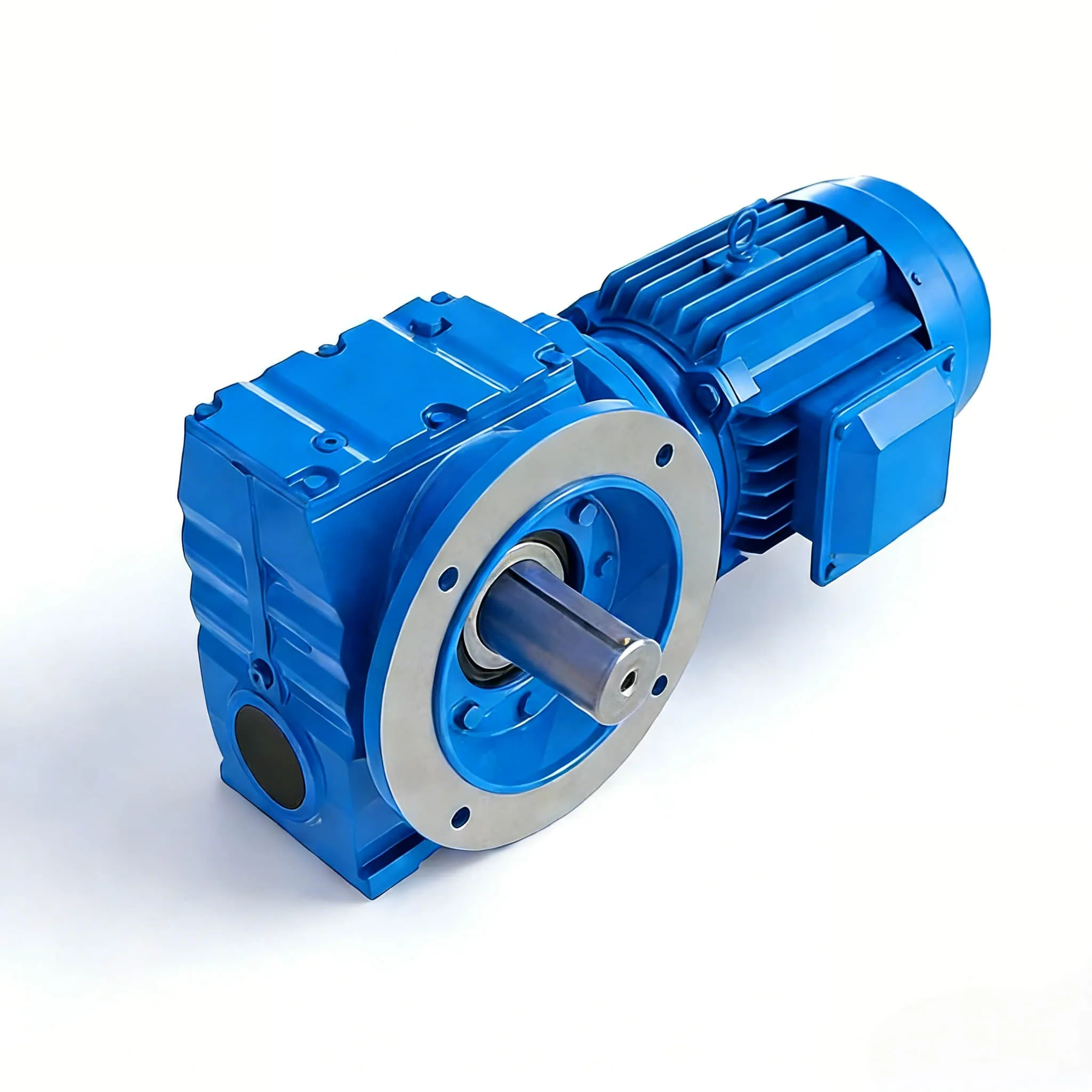
Ang operasyon ng mabibigat na makina ay nangangailangan ng mga sistema ng coupling na kayang tumagal sa labis na pwersa, patuloy na mga siklo ng operasyon, at matitinding industriyal na kapaligiran. Ang pagpili ng angkop na coupling para sa mga aplikasyon ng mabibigat na makina ay nangangailangan ng maingat na pagsusuri sa mga tiyak na katangian ng disenyo na direktang nakaaapekto sa katiyakan ng kagamitan, sa gastos sa pangangalaga, at sa kahusayan ng operasyon. Ang pag-unawa sa mga mahahalagang katangiang ito ay nagbibigay-daan sa mga inhinyero at mga propesyonal sa pangangalaga na gumawa ng impormadong desisyon upang maiwasan ang mahal na pagkaantala at palawigin ang buhay ng kagamitan.
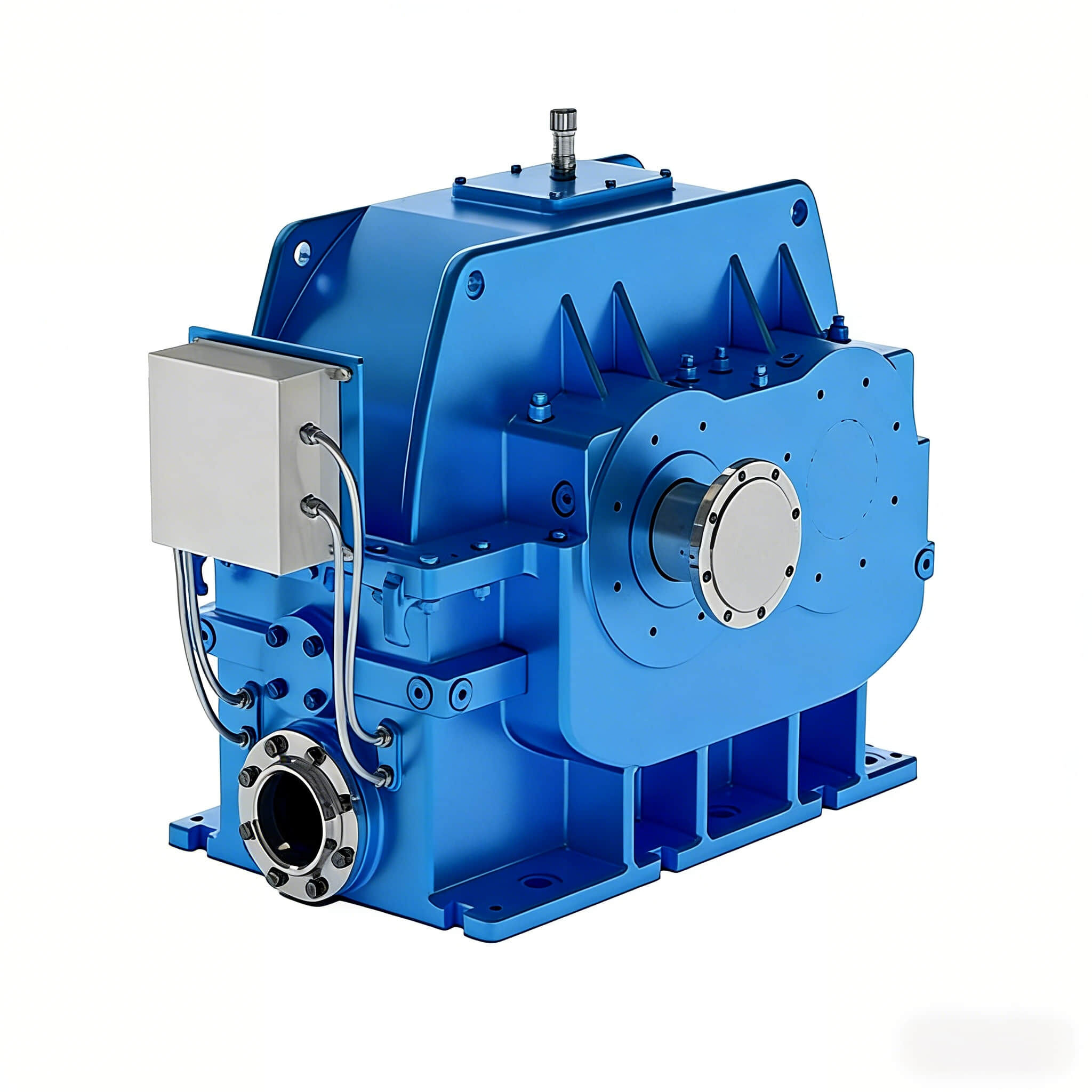
Ang mga katangian na nagpapagawa ng isang coupling na angkop para sa mabibigat na makina ay naiiba nang malaki sa mga kinakailangan para sa karaniwang mga aplikasyon sa industriya. Ang mga sistema ng coupling para sa mabibigat na makina ay kailangang magkasya sa mas mataas na mga load ng torque, kompensahin ang di-pantay na pagkakalign ng shaft sa ilalim ng mga dinamikong kondisyon, at panatilihin ang pagkakapare-pareho ng pagganap kahit sa mga pagbabago ng temperatura at pagkakalantad sa kontaminasyon. Ang mga mahigpit na pangangailangan na ito ay nangangailangan ng mga tiyak na komposisyon ng materyales, disenyo ng heometriya, at paraan ng paggawa upang matiyak ang maaasahang pagpapasa ng kapangyarihan sa pinakamahihirap na kapaligiran ng operasyon.
Kapasidad ng Load at Mga Katangian sa Pagharap sa Torque
Maksimum na Kakayahan sa Pagpapasa ng Torque
Ang isang coupling na idinisenyo para sa mabibigat na makina ay kailangang ipakita ang napakahusay na kakayahan sa pagpapasa ng torque na lumalampas sa pinakamataas na kinakailangan sa operasyon nito ng isang malaking margin ng kaligtasan. Ang rating ng torque ay kadalasang kailangang makaharap sa mga peak load na maaaring 200–300% na mas mataas kaysa sa nominal na operating torque dahil sa mga shock load at mga kinakailangan sa starting torque. Ang mga aplikasyon ng mabibigat na makina ay madalas na lumilikha ng biglang torque spikes habang nakikisalamuha sa materyales, sa panahon ng emergency stops, o dulot ng mga pagbabago sa load—na nangangailangan ng matibay na konstruksyon ng coupling upang maiwasan ang katastropikal na kabiguan.
Ang disenyo ng coupling ay dapat isama ang mga materyales at heometriya na nagpapamahagi ng stress nang pantay sa mga ibabaw na nagdadala ng beban upang maiwasan ang mga lokal na kabiguan. Kasali dito ang paggamit ng mataas na lakas na bakal na alahas, ang tamang proseso ng heat treatment, at ang pinakamainam na mga ibabaw ng kontak na kayang tumanggap ng matinding mekanikal na stress na likas sa operasyon ng mabibigat na makinarya. Ang kakayahang ipasa nang maaasahan ang torque sa ilalim ng mga kondisyong ito ay direktang nakaaapekto sa kabuuang katiyakan ng sistema at sa kaligtasan ng operasyon.
Dinamikong Tugon sa Beban at Pag-absorb ng Pagsabog
Ang mga sistemang coupling ng mabibigat na makinarya ay dapat na epektibong pamahalaan ang mga dinamikong beban at pwersang pagsabog na nangyayari sa panahon ng normal na operasyon. Ang disenyo ng coupling ay dapat maglaman ng mga katangian na sumisipsip at pumipigil sa mga pwersang pagsabok upang protektahan ang mga konektadong kagamitan mula sa pinsala. Ang kakayahang mag-absorb ng pagsabok na ito ay nagpipigil sa paglipat ng mapaminsalang vibrasyon at pwersang impact na maaaring magdulot ng maagang pagkasira o kabiguan sa mga sumunod na komponente tulad ng gearbox, motor, o mga kagamitang hinahatak.
Ang epektibong pag-absorb ng shock sa isang coupling ay kadalasang kasali ang mga flexible na elemento o mga katangian ng disenyo na maaaring pansamantalang mag-deform sa ilalim ng load habang pinapanatili ang structural integrity. Ang mga elementong ito ay dapat idisenyo upang bumalik sa kanilang orihinal na konpigurasyon matapos dumating at lumipas ang shock event, upang matiyak ang pare-parehong performance sa loob ng maraming loading cycle. Ang coupling ay dapat magbalanse sa flexibility para sa shock absorption at sa rigidity para sa eksaktong torque transmission.
Kompensasyon sa Misalignment at Flexibilidad sa Pagpo-posisyon
Toleransya sa Angular at Parallel na Misalignment
Ang mga instalasyon ng heavy machinery ay madalas na nakakaranas ng shaft misalignment dahil sa pag-ubos ng foundation, thermal expansion, o normal na wear sa mga suportadong istruktura. Ang isang angkop na pag-uugnay ay dapat makapag-accommodate ng parehong angular at parallel na misalignment nang hindi nagpapagenera ng labis na puwersa na maaaring sirain ang mga bearing o magdulot ng mga problema sa vibration. Ang toleransya sa misalignment ay dapat sapat upang mapagkasya ang mga toleransya sa instalasyon kasama ang anumang inaasahang galaw habang gumagana.
Ang kompensasyon para sa angular na misalignment ay nagpapahintulot sa coupling na gumana nang maayos kahit ang mga shaft na nakakonekta ay hindi perpektong aligned sa parehong centerline. Ang toleransya para sa parallel na misalignment ay nagpapahintulot sa coupling na gumana kahit ang mga centerline ng shaft ay parallel ngunit offset sa isa't isa. Dapat magbigay ang disenyo ng coupling ng mga pag-aakomoda na ito habang pinapanatili ang makinis na pagpapasa ng kapangyarihan at pinabababa ang paglikha ng mga reaction force na maaaring magdulot ng stress sa mga konektadong kagamitan.
Pag-aakomoda sa Thermal Growth
Ang operasyon ng mabibigat na makinarya ay kadalasang kasali ang malakiang pagbabago ng temperatura na nagdudulot ng differential thermal expansion sa pagitan ng mga konektadong bahagi. Dapat akomodahin ng coupling ang mga pagkakaiba sa thermal growth na ito nang walang paglikha ng binding conditions o labis na stress sa sistema. Ang kakayahan na ito ay lalo pang mahalaga sa mga aplikasyon na kasali ang mainit na proseso, outdoor na instalasyon na may temperature cycling, o kagamitan na may iba't ibang thermal expansion coefficients.
Ang disenyo ng coupling ay dapat magbigay-daan sa axial na paggalaw upang kompensahin ang thermal na paglaki habang pinapanatili ang tamang pagkakasangkot at kakayahang ipasa ang torque. Ang ganitong pag-aakomoda ay nagpipigil sa pagbuo ng panloob na stress na maaaring magdulot ng maagang pagkabigo o lumikha ng mga panganib sa kaligtasan habang gumagana.
Mga Katangian ng Paglaban sa Kapaligiran at Tibay
Proteksyon Laban sa Kontaminasyon at Mga Sistema ng Pag-seal
Ang mga kapaligiran ng heavy machinery ay karaniwang nagpapahayaang makapasok sa mga sistema ng coupling ang iba't ibang kontaminante tulad ng alikabok, dumi, kahalumigan, kemikal, at mga abrasive na partikulo. Ang isang angkop na coupling ay dapat may kasamang epektibong mga sistema ng pag-seal o disenyo na tumutol sa kontaminasyon upang maiwasan ang pagpasok ng dayuhang materyales na maaaring sumira sa mga panloob na bahagi. Ang kahusayan ng pag-seal ay direktang nakaaapekto sa mga kinakailangan sa pagpapanatili at sa inaasahang buhay ng serbisyo.
Ang mga katangian para sa proteksyon laban sa kontaminasyon ay maaaring kasali ang mga sistemang nakasara para sa mga bantay, mga takip na pangproteksyon, o mga disenyo na kumikilos upang mabawasan ang mga ibinubukang ibabaw na nasisira. Dapat tumutol ang coupling sa korosyon dahil sa pagkakalantad sa kapaligiran habang pinapanatili ang madaling pag-access para sa pagsusuri at mga gawaing pangpanatili. Ang mga katangiang pangproteksyon na ito ay dapat sapat na matibay upang matagpuan ang matitinding kondisyon na karaniwan sa mga instalasyon ng mabigat na makina nang walang kailangang paulit-ulit na palitan o pangangalaga.
Pagtutol sa Temperatura at Katatagan ng Materyales
Ang mga materyales at disenyo ng coupling ay dapat panatilihin ang kahalagahan ng istruktura at mga katangian ng pagganap sa buong saklaw ng mga temperatura ng operasyon na inaasahan sa mga aplikasyon ng mabibigat na makina. Kasali dito ang paglaban sa mga epekto ng thermal cycling, ang pagkakapare-pareho ng dimensyon sa ilalim ng mga pagbabago ng temperatura, at ang pagpapanatili ng mga katangian ng materyales sa mataas na temperatura. Hindi dapat ipakita ng coupling ang anumang malaking pagbabago sa rigidity, clearance, o kakayahan sa pagpapasa ng torque dahil sa mga pagbabago ng temperatura.
Ang pagpili ng materyales para sa mga aplikasyon ng coupling sa mabibigat na makina ay dapat isaalang-alang ang parehong mga katangian ng base material at anumang mga tratuhin o coating na nagpapahusay ng pagtutol sa temperatura. Ang disenyo ng coupling ay dapat mabawasan ang mga pook ng thermal stress concentration at magbigay ng pantay na distribusyon ng init upang maiwasan ang lokal na sobrang init o pinsalang termal.
Kadalian sa Pagpapanatili at mga Konsiderasyon sa Bukas na Buhay
Mga Kinakailangan sa Pag-access para sa Inspeksyon at Pagpapanatili
Ang mga sistema ng kabit sa mabibigat na makina ay dapat idisenyo na may pag-iisip sa kadalian ng pagpapanatili sa karaniwang kapaligiran ng pag-install. Ang konpigurasyon ng kabit ay dapat pahintulutan ang pansamantalang pagsusuri ng mahahalagang bahagi, ang pagkakaroon ng daanan para sa paglalagay ng lubricant kung kinakailangan, at ang pagpapalit ng mga bahaging nasisira nang hindi kailangang buong i-disassemble ang sistema. Ang ganitong kadalian ng pag-access ay nababawasan ang oras at gastos sa pagpapanatili habang pinapayagan din ang mga proaktibong gawain sa pagpapanatili upang maiwasan ang di-inaasahang pagkabigo.
Ang disenyo ng kabit ay dapat sumapat sa karaniwang gamit na mga kasangkapan at pamamaraan sa pagpapanatili na karaniwang matatagpuan sa mga pasilidad ng mabibigat na makina. Kasali rito ang pag-iisip sa daanan para sa mga kagamitan sa pagbubuhat, ang sapat na espasyo para sa mga wrench, at ang kinakailangang lugar ng trabaho para sa mga tauhan na responsable sa pagpapanatili. Ang malinaw na pagkilala sa mga punto ng pagsusuri at sa mga panahon ng pagpapanatili ay tumutulong upang matiyak ang tamang mga gawain sa serbisyo na nagpapahaba ng buhay-pangserbisyo ng kabit.
Pagtutol sa Pagkasira at Haba ng Buhay ng mga Bahagi
Ang isang koupling na angkop para sa mabibigat na makina ay dapat magpakita ng napakalaking paglaban sa pagsusuot upang mabawasan ang dalas ng pagpapanatili at ang gastos sa pagpapalit. Kasali dito ang paggamit ng mga materyales na may mataas na paglaban sa pagsusuot, ang tamang paggamit ng mga pang-iilaw o iba pang paggamot sa ibabaw, at ang mga katangian ng disenyo na nagpapababa ng pagsusuri sa pamamagitan ng paghila o pagsuot dulot ng impact. Dapat panatilihin ng koupling ang katiyakan ng sukat at mga katangian ng pagganap nito sa buong inaasahang buhay ng serbisyo nito kahit sa ilalim ng mahihirap na kondisyon ng operasyon.
Kasali sa mga konsiderasyon para sa haba ng buhay ng komponente ang pagpili ng mga materyales na tumututol sa pagkabigo dulot ng pagkapagod, pagsusuot dulot ng erosyon, at cracking dulot ng stress corrosion. Ang disenyo ng koupling ay dapat maghati ng mga pattern ng pagsusuot nang pantay-pantay upang maiwasan ang maagang pagkabigo ng mga indibidwal na komponente habang pinapanatili ang kabuuang integridad ng sistema. Ang inaasahang buhay ng serbisyo ay dapat tugma sa mga interval ng overhaul ng mabibigat na makina upang mapabuti ang pagpaplano ng pagpapanatili at ang kahusayan sa gastos.
Mga Katangian ng Kaligtasan at Uri ng Pagkabigo
Mga Katangian ng Disenyo na Nagbibigay-Kaligtasan at mga Margin ng Kaligtasan
Ang mga sistema ng kabit sa mabibigat na makina ay dapat isama ang mga prinsipyo ng disenyo na may kaligtasan bilang pangunahing layunin upang maiwasan ang malalang pagkabigo at maprotektahan ang kaligtasan ng mga tauhan. Dapat idisenyo ang kabit nang gayon upang anumang posibleng pagkabigo ay mangyayari sa isang napapredict na paraan na hindi magdudulot ng naglalaylang mga sira o biglang paglabas ng nakaimbak na enerhiya. Ang mga factor ng kaligtasan ay dapat sapat upang matugunan ang mga pinakamasamang sitwasyon sa pagkarga habang nagbibigay ng malinaw na mga babala hinggil sa mga kondisyon na papalapit na sa pagkabigo.
Dapat kasama sa disenyo ng kabit ang mga katangian na limitado ang mga epekto ng pagkabigo ng komponente, tulad ng pagkontrol sa mga nabasag na bahagi o mga mekanismong awtomatikong pagputol ng koneksyon. Ang mga tampok na ito sa kaligtasan ay lalo pang mahalaga sa mga aplikasyon kung saan ang pagkabigo ng kabit ay maaaring magdulot ng pinsala sa kagamitan, pagkakatigil ng produksyon, o sugat sa mga tauhan. Ang mga regular na protokol sa inspeksyon ay dapat kayang tukuyin ang mga posibleng anyo ng pagkabigo bago pa man ito maging panganib sa kaligtasan.
Mga Kakayahan sa Emergency Disconnection at Override
Ang mga aplikasyon ng mabibigat na makinarya ay maaaring nangangailangan ng mga kakayahan sa emergency disconnection na nagpapahintulot ng mabilis na paghihiwalay ng mga konektadong kagamitan sa panahon ng mga emergency na sitwasyon. Ang disenyo ng coupling ay dapat na magkasya sa mga mekanismo ng emergency disconnection o magbigay-daan sa mabilis na pag-alis kapag kinakailangan para sa kaligtasan o mga layunin sa pagpapanatili. Ang mga kakayahan na ito ay dapat maaasahan at madaling ma-access kahit sa ilalim ng mga hindi paborableng kondisyon.
Ang mga tampok ng emergency override ay dapat idisenyo upang gumana nang walang espesyal na kasangkapan o mahabang proseso ng pagbubukas. Dapat panatilihin ng coupling ang kanyang istruktural na integridad habang isinasagawa ang mga operasyon ng emergency disconnection at dapat muling maisasaayos para sa patuloy na serbisyo matapos na malutas ang emergency na kondisyon.
Madalas Itanong
Anong torque capacity ang dapat kong tukuyin para sa isang coupling ng mabibigat na makinarya?
Ang kapasidad ng torque ng coupling ay dapat na 2.5 hanggang 3 beses ang maximum na operating torque upang maitama ang mga shock load, starting torque, at mga safety margin. Isaalang-alang ang mga peak load sa panahon ng pag-engage ng materyales, emergency stops, at anumang mga pattern ng cyclical loading na partikular sa iyong aplikasyon. Isama ang mga rekomendasyon sa service factor mula sa tagagawa ng coupling batay sa iyong duty cycle at mga kondisyon ng operasyon.
Gaano kalaki ang misalignment na kayang tumbukan ng isang coupling para sa heavy machinery?
Ang misalignment tolerance ng coupling para sa heavy machinery ay nag-iiba depende sa uri ng disenyo, ngunit ang karaniwang saklaw ay 0.5 hanggang 2 degrees para sa angular misalignment at 0.010 hanggang 0.050 pulgada para sa parallel misalignment. Ang mga flexible coupling design ay karaniwang nag-aalok ng mas mataas na misalignment capacity kaysa sa rigid couplings. Palaging i-verify na ang tiyak na coupling design ay kayang harapin ang iyong mga installation tolerance kasama ang inaasahang thermal growth at foundation settling.
Ano ang karaniwang interval ng maintenance para sa mga coupling ng heavy machinery?
Ang mga panahon ng pagpapanatili ay nakasalalay sa uri ng coupling, mga kondisyon ng operasyon, at antas ng kahigpitang ng aplikasyon. Sa pangkalahatan, ang mga pansariling inspeksyon ay dapat gawin bawat buwan, habang ang detalyadong inspeksyon ay dapat isagawa bawat 3–6 na buwan para sa mga aplikasyong nangangailangan ng mabigat na paggamit. Ang mga panahon ng paglalagay ng lubricant ay nasa pagitan ng 1000 hanggang 8000 na oras ng operasyon, depende sa disenyo ng coupling at sa mga kondisyong pangkapaligiran. Itakda ang mga skedyul ng pagpapanatili batay sa mga rekomendasyon ng tagagawa at sa iyong tiyak na karanasan sa operasyon.
Paano ko malalaman kung sapat ang environmental sealing para sa aking aplikasyon?
Suriin ang kahusayan ng sealing ng coupling batay sa tiyak na pagkakalantad nito sa kontaminasyon, kabilang ang antas ng alikabok, presensya ng kahalumigmigan, pagkakalantad sa kemikal, at pagbabago ng temperatura. Basahin ang IP rating ng coupling o ang katumbas na klase ng proteksyon nito at ihambing ito sa iyong mga kinakailangan sa kapaligiran. Isaalang-alang ang karagdagang mga hakbang sa proteksyon tulad ng mga coupling guard o environmental enclosures kung ang karaniwang sealing ay hindi sapat para sa iyong mga kondisyong operasyonal.
Talaan ng Nilalaman
- Kapasidad ng Load at Mga Katangian sa Pagharap sa Torque
- Kompensasyon sa Misalignment at Flexibilidad sa Pagpo-posisyon
- Mga Katangian ng Paglaban sa Kapaligiran at Tibay
- Kadalian sa Pagpapanatili at mga Konsiderasyon sa Bukas na Buhay
- Mga Katangian ng Kaligtasan at Uri ng Pagkabigo
-
Madalas Itanong
- Anong torque capacity ang dapat kong tukuyin para sa isang coupling ng mabibigat na makinarya?
- Gaano kalaki ang misalignment na kayang tumbukan ng isang coupling para sa heavy machinery?
- Ano ang karaniwang interval ng maintenance para sa mga coupling ng heavy machinery?
- Paano ko malalaman kung sapat ang environmental sealing para sa aking aplikasyon?