
 EN
EN


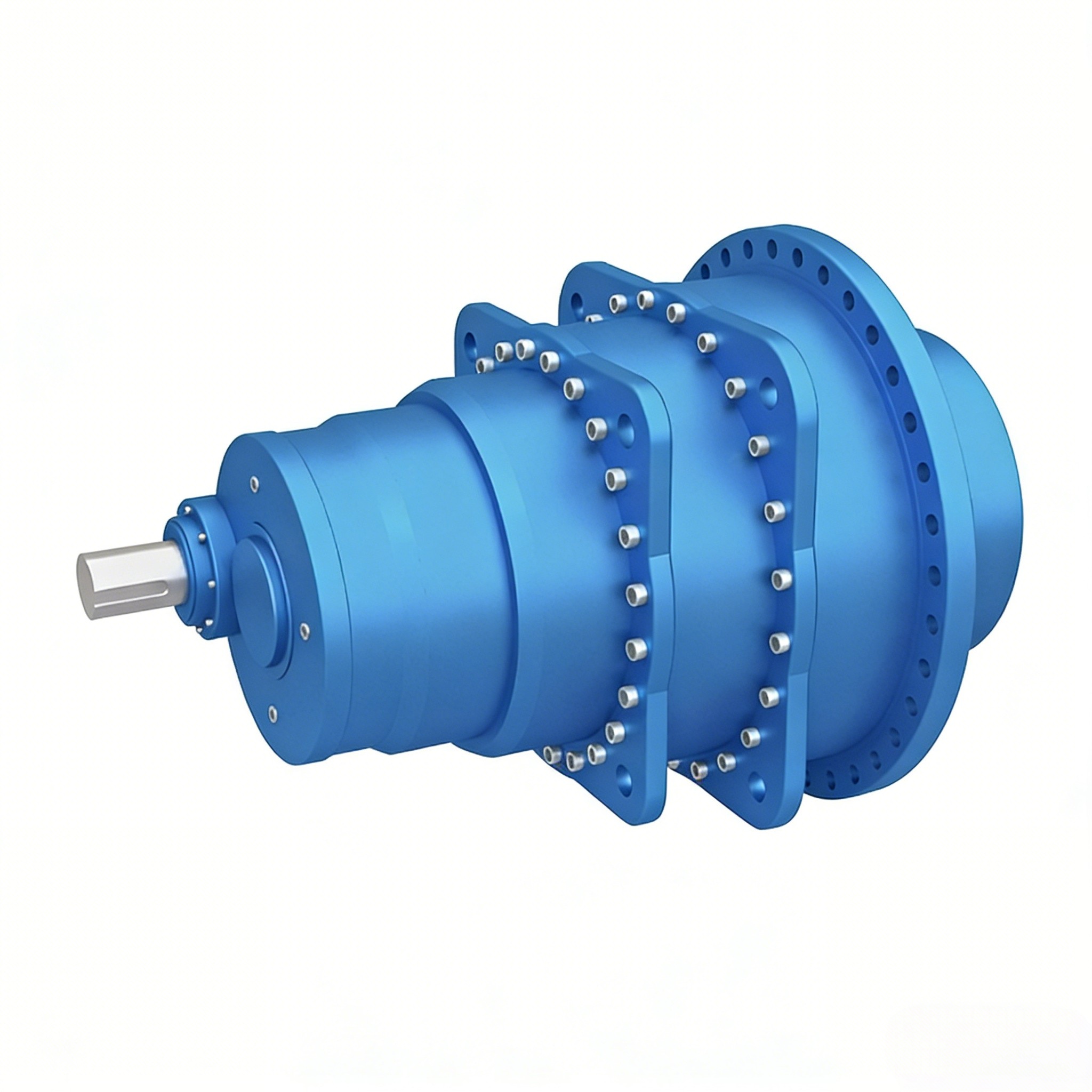
When selecting equipment for heavy lifting and pulling applications, understanding how load frequency affects your winch choice becomes critically important. A winch that performs admirably under light, infrequent use may fail prematurely under demanding, high-cycle operations. Load frequency—the rate at which a winch experiences loading and unloading cycles—directly influences the durability, efficiency, and total cost of ownership of your winch system. This relationship between load cycles and winch performance is often overlooked during the initial selection phase, leading to unexpected equipment failures and costly downtime in industrial settings.

Industrial environments demand precision in equipment selection, and a winch represents a significant capital investment. The fundamental challenge is matching the duty cycle rating of your winch to the actual operational demands of your facility. High load frequency applications—such as continuous port operations, repetitive construction tasks, or manufacturing assembly lines—require a winch engineered specifically for sustained performance. Conversely, occasional-use winches, while less expensive initially, cannot safely handle frequent loading without experiencing accelerated wear, heat buildup, and mechanical stress that compromises safety and reliability.
Understanding Load Frequency and Winch Duty Classifications
Defining Load Frequency in Industrial Applications
Load frequency describes the number of lifting cycles a winch completes within a given timeframe, typically measured in cycles per hour or total cycles per day. This metric is essential because it determines how much thermal stress, mechanical wear, and fatigue the internal components of a winch experience. A winch operating under light duty might complete only 5 to 10 cycles daily, allowing sufficient cooling time between operations. In contrast, a heavy-duty winch in a port facility might complete 100 or more cycles per day, with minimal recovery periods. Understanding your specific load frequency requirement is the first step in selecting a winch that will provide reliable performance over its intended lifespan.
Duty Cycle Classifications for Winch Systems
Manufacturers classify winch systems according to standardized duty cycle ratings that correlate directly to load frequency expectations. Light-duty winch applications involve occasional use—typically several loads per week—and suit applications like emergency recovery or infrequent material handling. Medium-duty winch systems handle regular operations, executing multiple lifts daily with predictable rest periods between cycles. Heavy-duty winch equipment is engineered for continuous or near-continuous operation, with minimal downtime and sustained loading throughout operational shifts. Extra-heavy-duty or severe-duty classifications apply to the most demanding scenarios, including automated production environments and 24/7 port operations where a winch must perform reliably under constant stress.
How Load Frequency Influences Winch Component Selection
Gearbox Design and Thermal Management
The gearbox is the mechanical heart of any winch system, and load frequency profoundly affects gearbox design specifications. High-frequency winch operations generate continuous frictional heat within gear meshes and bearing surfaces. A winch gearbox designed for light duty typically features standard gear tooth profiles and standard bearing sizes adequate for intermittent loading. However, a heavy-duty winch gearbox must incorporate enhanced gear materials, larger bearing surfaces, and specialized heat dissipation features to manage thermal loads during sustained operation. The selection of gear ratios, tooth pitch, and metallurgical properties all depend on anticipated load frequency, making it impossible to simply upgrade a light-duty winch by using a heavier cable—the internal drivetrain must be engineered from the ground up for the intended duty cycle. Custom non-standard gearbox solutions allow operators to precisely match gearbox specifications to their unique load frequency requirements, avoiding overspecification costs or underperformance risks.
Motor and Drive Train Considerations
Load frequency also dictates the motor and drive configuration suited to your winch application. A light-duty winch typically pairs with a standard electric motor or engine that cycles on and off between uses. As load frequency increases, the motor and associated drive components must handle continuous duty operation, requiring upgraded insulation, cooling capacity, and thermal protection features. High-frequency winch operations may demand variable frequency drives (VFDs) to optimize energy consumption and reduce thermal stress during partial-load scenarios. The coupling between motor and gearbox, the bearing supports, and even the cable drum design must all be selected with load frequency in mind. Selecting a winch motor rated only for intermittent duty on a high-frequency application creates a critical failure risk, regardless of how robust the gearbox appears.
Practical Impact of Load Frequency on Winch Performance and Reliability
Thermal Stress and Equipment Lifespan
Excessive heat is the enemy of winch reliability, and load frequency directly determines thermal buildup within the system. Every lifting cycle generates friction within the gearbox, and high-frequency winch operation allows insufficient cooling time between cycles, causing oil temperatures to rise progressively throughout the shift. A winch gearbox designed for light duty may reach unsafe operating temperatures within hours of continuous high-frequency use, leading to accelerated oil degradation, bearing failure, and eventual gearbox seizure. Thermal stress also affects the structural integrity of the winch frame and cable drum, causing micro-fractures that propagate under repeated cycling. By selecting a winch engineered for your specific load frequency, you ensure proper thermal management, extend equipment lifespan from years to decades, and avoid the cascading failures that result from chronic overheating.
Safety, Maintenance, and Total Cost of Ownership
Undersizing a winch relative to actual load frequency creates serious safety hazards and unexpected maintenance costs. A winch operating beyond its duty rating experiences unpredictable failures—brake wear accelerates, coupling misalignment develops, and cable degradation occurs prematurely. Industrial safety standards mandate that lifting equipment operate within manufacturer-specified duty ratings, and exceeding those limits exposes operators to dropped-load incidents and mechanical failures. The total cost of ownership favors proper initial selection: a winch chosen correctly for load frequency will operate reliably with predictable maintenance intervals and minimal emergency repairs. Conversely, undersized or improperly rated winches generate frequent service calls, unplanned downtime, safety incidents, and eventual replacement costs far exceeding the initial savings from selecting inadequate equipment. Load frequency analysis during the selection phase directly translates to cost savings and operational safety over the winch lifespan.
FAQ
How do I calculate the load frequency for my specific application?
Begin by documenting the actual number of lifting cycles your operation performs during a typical work shift or day. Count each raise-and-lower movement as one cycle, and track this data across multiple days to establish an average. Factor in seasonal variations—some operations may experience peak periods with dramatically higher frequency than typical daily operations. Consult historical maintenance records and equipment usage logs if available. Once you have a realistic load frequency estimate, compare it to the duty cycle ratings provided by winch manufacturers to determine which classification best matches your needs. If your frequency falls between two standard classifications, select the higher rating to provide safety margin.
Can I upgrade a light-duty winch to handle higher load frequency?
Upgrading a light-duty winch to higher load frequency is not recommended and typically not feasible through minor modifications. While replacing the cable or upgrading the motor might increase load capacity, the internal gearbox, bearings, and structural components are engineered for lower duty cycles and cannot safely tolerate the thermal and mechanical stresses of frequent operation. Attempting such upgrades creates reliability and safety risks. Instead, select a winch rated for your anticipated load frequency from the outset. The additional investment in a properly rated winch pays dividends through improved reliability, reduced maintenance costs, and extended service life.
What role does load frequency play in selecting a custom winch solution?
Load frequency is a primary design input when engineering custom winch solutions. Custom winch specification allows you to align gearbox design, motor selection, cooling systems, and mechanical components precisely with your operational requirements without paying for unnecessary overspecification. Engineers use load frequency data to determine optimal gear ratios, bearing sizes, lubrication systems, and thermal management features. By specifying actual load frequency during the custom design process, you ensure the resulting winch delivers maximum efficiency, reliability, and value for your specific industrial application rather than compromising with generic off-the-shelf equipment.