
 EN
EN


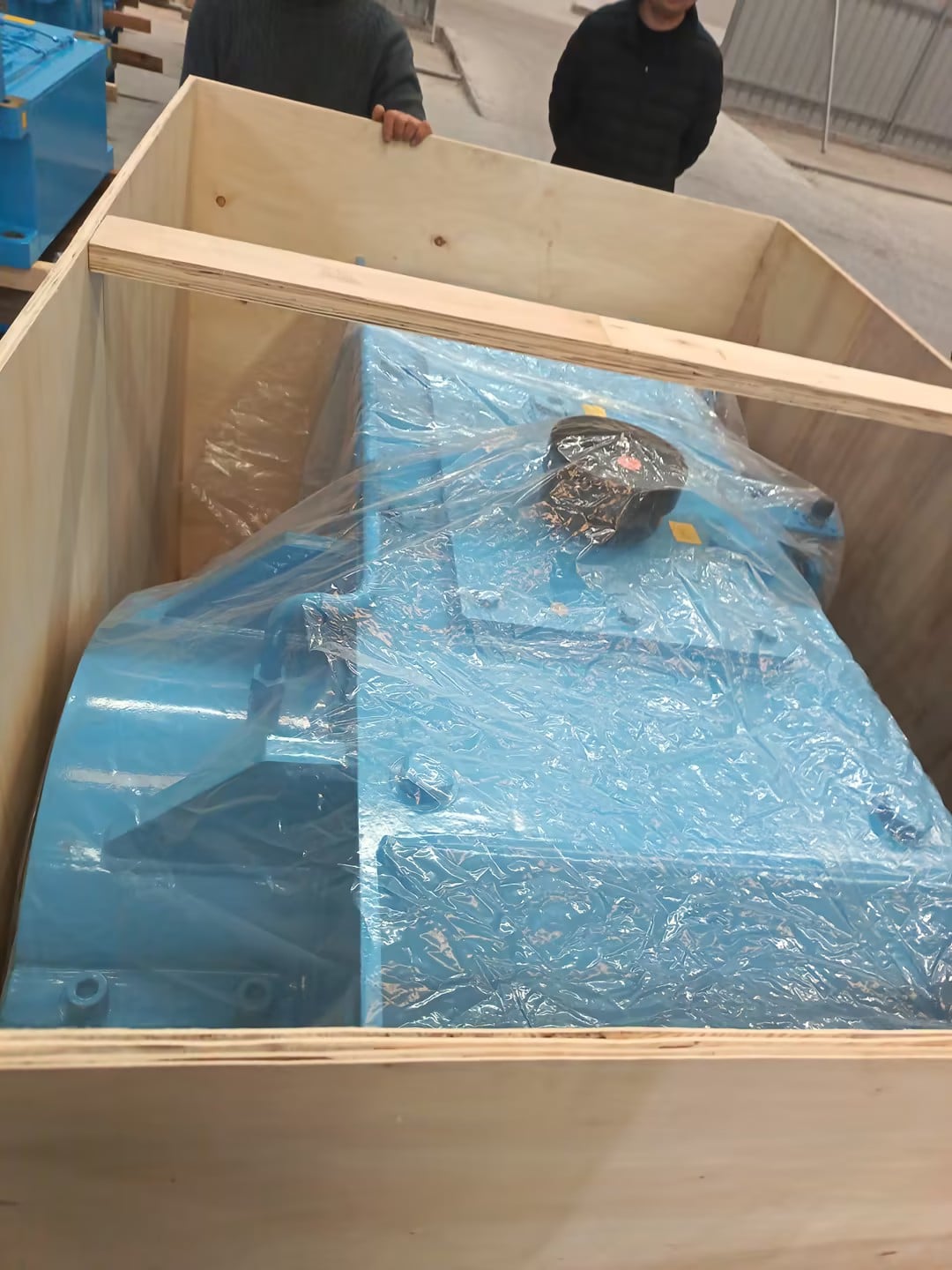
Ad reductorem ensem idoneum pro machinis industrialibus eligendum, plurima technica et operationis criteria accurate expendenda sunt, quae directe in praestationem, efficaciam, et diuturnitatem instrumentorum influunt. Processus electionis includit analysim exigentiarum oneris, rationum velocitatum, dispositionum montandi, et condicionum ambientium, ut integratio optima cum systematibus machinarum iam existentibus assequatur. Intellectus horum criteriorum electionis auxiliat ingeniarios ad decisiones informatas faciendas, quae productivitatem maximizant dum minuuntur impensae manutenctionis et pericula temporis non operis.
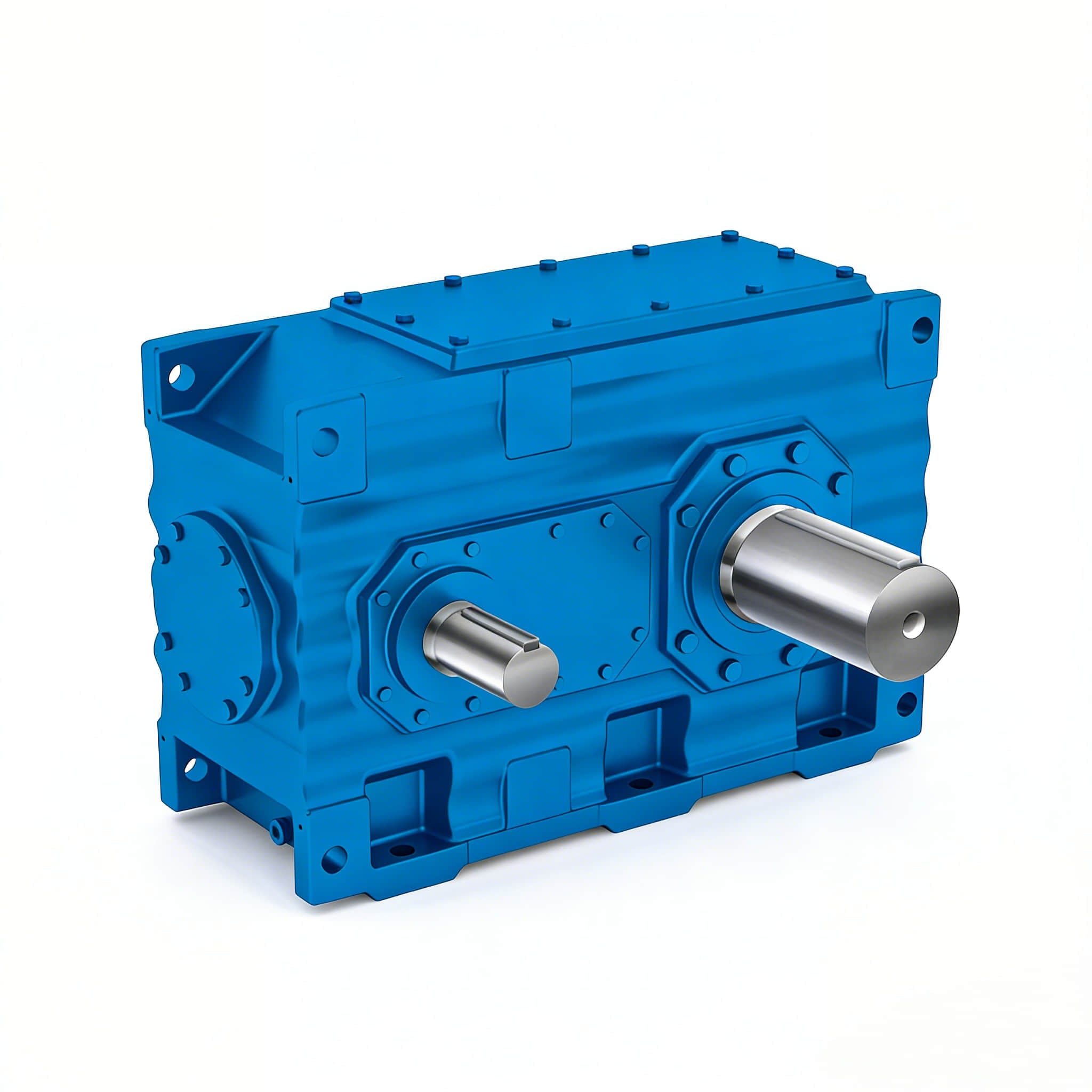
Selectio reductoris multiplicis industrialis involvit aequabilem aestimationem parametrorum specificorum ad applicationem, ut facultates reductoris cum necessitatibus machinarum congruant. Haec methodus completa certificat quod reductor multiplicis electus fidam transmissionem potentiae praebet, efficaciam operationis servat, et valorem longum per minuendos requisitus pro conservatione et per longiorem vitam operativam offert. Processus selectionis scientiam technicam et cognitionem exactam tam specificatorum reductoris quam requisitorum applicationis intentae requirit.
Analysis Onerum et Requisita Torquens
Determinatio Factoris Servitii
Calculatio factoris servitii gradum primum et necessarium in electione reductorum dentatorum repraesentat, quoniam variationes onerum specificarum applicationis et conditiones operationis comprehendit. Hic factor torque nominale multiplicat ut capacitas reductoris dentati requiratur, id quod margines tutelae sufficientes pro subitis incrementis oneris aut pro condicionibus operativis asperis confirmat. Applicationes industriales saepius factores servitii inter 1,2 et 2,5 postulant, secundum proprietates oneris et exigentias cycli operis.
Factor servitii onera impulsiva, necessitates torques ad initium motus, et condiciones operationis continuas, quae in performance reductoris dentati influunt, considerare debet. Applicationes frequenter incipientes et desinentes altiores factores servitii postulant quam operationes continuas, dum loca cum extremis temperaturis aut cum periculo contaminationis ulteriores margines capacitatis exigit. Electio recta factoris servitii defectum praematurum reductoris dentati prohibet et operationem longam atque fidedignam confirmat.
Analysis classis oneris adiuvat ut idonei factores servitii determinentur, applicatio categorizans secundum uniformitatem oneris et schemata operationis. Onus uniforme cum minima variatione saepius minores factores servitii requirit, dum applicationes cum oneribus percussivis gravibus aut cyclis operis irregularibus maiora intervalla securitatis necessitant ad variationes stress accommodandas et fiduciam operationis servandam.
Praecipuum et Continuum Momentum Aestimatio
Analysis momenti praecipui involvit identificandum maxima onera quae in operatione normali occurrunt, inter quae sunt transitoria initia, arresta subita, et variationes processus. Reductor rotae electus has condiciones praecipuas sustinere debet sine damno mechanico aut degeneratione functionis, quod accuratam aestimationem magnitudinis et durationis onerum praecipuorum exigit. Intellectus proprietatum momenti praecipui adiuvat ut reductor rotae contra onus nimium protegatur et operatio secura sub omnibus conditionibus anticipatis servetur.
Requisita torque continua conditiones operationis permanentis definunt, quas reductor dentatus per totam vitam suam sustinere debet. Haec aestimatio limites thermicas, requisita lubricationis, et gradus tensionis mechanicæ considerat, ut certum fiat reductorem dentatum intra fines temperaturarum tutos operari et spissitudinem pelliculae lubricantis idoneam retinere.
Analysis cycli operis relationem inter onera maxima et continua per tempus examinat, adiuvans ut determinetur num reductor dentatus calorem generatum dissipare et temperaturas operationis stabiles retinere possit. Applicationes cum cyclis operis altis aut capacitate refrigerandi limitata fortasse reductores dentatos cum notis thermalibus auctis vel systematibus refrigerationis auxiliaribus requirant, ut condiciones operationis acceptabiles serventur.
Considerationes de Ratione Celeritatis et Efficientia
Selectio Rationis Reductionis
Selectio rationis reductionis velocitatis pendet ex relatione inter velocitatem motoris input et velocitatem output necessariam pro machinis actis. Reductores multiplicis unius gradus typice praebent rationes usque ad 10:1, dum unitates plurium graduum rationes superantes 1000:1 consequi possunt pro applicationibus quae magnam reductionem velocitatis postulant. Ratio electa ad requisita applicationis congruere debet, simul considerans implicationes pro efficacia et complexitatem mechanicam.
Disponibilitas rationum normalium influentia habet in electione reductorum multiplicis, quoniam rationes ad hoc speciales pretia et tempora expeditionis augere possunt comparata cum configurationibus facile disponibilibus. Plurimi fabricantes rationes normales in incrementis offerunt quae requiruntur applicationum typicarum complectuntur, ita ut ingeniores rationes idoneas sine fabricatio ad hoc speciale seligere possint. Intellectus de rationibus normalibus offertis ad optimizandam tam performance quam considerationes oeconomicas iuvat.
Requirimenta ad exactitudinem rationis varia sunt secundum applicationem, cum machinae praecisae exigant angustas tolerantes rationis ad retinendam controllem processus et productum qualitatem. Reductores praecisi denticulati praebent exactum controllem velocitatis pro applicationibus ut systemata positionis, apparatus tractationis materiae, et machinae processuales, ubi variationes velocitatis possunt affectare qualitatem producti vel securitatem operationis.
Optimizatio Efficientiae
Efficientia reductoris denticulati directe afficit consumptionem energiae et impensas operationis per totam vitam aequipamenti. Moderni reductores denticulati industriales attingunt efficientias inter 85% et 98%, secundum genus denticulorum, rationem, et condiciones oneris. Unitates altius efficientes minuunt perditam energiam, temperaturas operationis inferiores habent, et meliorem reditum super investitionem praebent per minutas impensas energiae.
Efficientia variat secundum conditiones oneris, cum plerique reductores velocitatis maximam efficientiam adipiscantur ad 75% ad 100% momenti nominis. Applicationes operantes sub oneribus levibus possunt minorem efficientiam experiri, quare recta dimensio critica est ad optimam energiae performancem. Cognitio curvarum efficientiae auxiliat ingeniarios ad reductores velocitatis seligendos qui sub realibus conditionibus applicationis efficeant.
Reductores velocitatis multi-stadium possunt minorem efficientiam ostendere quam unitates uni-stadium propter ulteriores perditas inter dentes rotarum, sed permittunt maiores rationes reductionis in configurationibus compactis. Compromissum inter efficientiam et limites dimensionum requirit cautam aestimationem ex prioritatibus applicationis et limitibus spatii intra designum machinae.
Configuratio Montis et Requisita Installationis
Considerationes Integrationis Physicae
Selectio configurationis montis tam complexitatem installationis quam praestantiam operationalem systematis reductoris dentati afficit. Communia optiones montis sunt: reductores dentati pedibus fixati, flangae fixati, et axis fixati, quae singulae praecipua commoda pro diversis applicationibus offerunt. Stylos montis electus debet spatii limites, necessitates transmissionis oneris, et necessitates aditus ad facultatem manutenendi accommodare.
Reductores dentati pedibus fixati stabilem subsidium et facilem installationem praebent pro applicationibus quae spatium sufficiens in pavimento habent et quae simplices necessitates habent pro transmissione oneris. Haec instrumenta saepius minima pecunia et facillimus aditus ad manutenendum offert, quare apta sunt ad multas applicationes industriales ubi spatii limites minimi sunt et flexibilitas installationis desideratur.
Configurationes flangae-montatae permittunt adfixionem directam ad apparatus actos, minuentes necessitudines spatii et tollentes componentes intermedios accopulationis. Haec methodus montandi praebet connexionem rigidiorem et allignmentum praecisam dum complexitas installationis minuitur, quare optima est pro applicationibus ubi sunt limites spatii vel requiritur designatio machinarum compactarum.
Methodi Allignmenti et Connexionis
Requirimenta allignmenti axis influunt electionem et proceduras installationis reductorum dentatorum, quia allignmentum defectus potest causare defectum praecocem iaculorum, vibrationem augendam, et efficaciam minuendam. Tolerantiae allignmenti rectae servandae sunt durante installatione et observandae per totam vitam operis ut praestatio optima et vita instrumentorum prolongata assecuratur.
Methodi connexionis input et output variant secundum requisita applicationis et interfacies instrumentorum. Connexiones axis solidi maximam fortitudinem et praecisionem praebent pro applicationibus alti momenti torsionis, dum configurationes axis cavi permissum faciunt montagium per axem et simplificant proceduras installationis. Methodus connexionis electa utrumque onus mechanicum et restrictiones installationis accommodare debet.
Electio iuncturae effectum reductoris dentati et necessitates manutenctionis afficit: iuncturae flexibiles parvam disallignmentem tolerare possunt, dum iuncturae rigidae transmissionem motus praecisam praebent. Electio iuncturae aequilibrium inter tolerantiam allignmenti, commoditatem manutenctionis, et requisita performance constituere debet, secundum specifica requisita applicationis et condiciones installationis.
Factores Ambientales et Conditiones Protectionis
Aestimatio Condicionis Ambientis
Conditiones environmentales valde afficiunt rotam Reductor selectio et praestatio, quae diligentem aestimationem temperaturarum, graduum humiditatis et periculorum contaminationis exigit. Temperaturae extremae proprietates lubricationis et expansionem thermicam afficiunt, dum alta humiditas corrosionem et degenerationem componentium electricorum promovere potest. Intellectus difficultatum ambientium adiuvat idoneas meas protectionis et specificatorum materiae electiones facere.
Gradus pulveris et contaminationis determinare debent gradus inclosurem et specificatorum sigillandi pro protectione reductoris dentati. Applicationes in ambientibus asperis necessitant sigillationem et systemata filtrationis fortificata ut ingressus contaminationis prohibeatur, dum ambientia pura forsan solummodo meas protectionis simplices requirant. Aptae protectiones ambientales vitam operativam reductoris dentati prolongant et necessitates maintenanceis minuunt.
Risus expositionis chemicis exigunt materiales et tegumenta specialia ut corrosionem et degradationem componentium reductorum dentatorum prohibeant. Applicationes quae atmosphaeras corrosivas, chemicas purgatorias, aut liquores processuales involvunt reductores dentatos exigit cum congruentia materiali opportuna et finitionibus protectoribus ad fidam longam et securitatem servandam.
Conditiones Rerum Thermalium
Capacitates gestionis thermalis congruere debent cum generatione caloris applicationis et requisitis dispersionis ut temperaturae operationales acceptabiles serventur. Applicationes alti cycli operis aut conditiones ventilationis limitatae forsan reductores dentatos exigiunt cum capacitate refrigerandi aucta aut systematibus refrigerationis auxiliaribus. Gestio thermorum recta lubricantis degradationem prohibet et stabilitatem dimensionalem componentium conservat.
Variationes temperaturae ambientis affectant capacitatem reductoris et exigentias lubricationis, cum temperaturis extremis requirantur lubricantes speciales et mensurae compensationis thermalis. Conditiones frigidae initiationis forte requirunt systemata calefaciendi aut lubricantes ad temperaturas infimas, dum in ambientes altas temperaturas necesse est refrigeratio augmentata et componentes ad altas temperaturas probata.
Methodi dissipationis caloris includunt convectionem naturalem, refrigerationem aere compulsu, et systemata refrigerationis liquidae, secundum exigentias applicationis et limites spatii. Methodus refrigerandi electa debet praebere administrationem thermicam idoneam, dum considerantur consumptus energiae, exigentiae manutentionis, et complexitas installationis.
Considerationes de Conservatione et Ciclo Vitae
Requisita Systematis Unguentis
Selectio systematis lubricationis affectat tam operationem reductoris dentatorum quam programmatas custodiae, cum optiones varient a lubricatione per pingue ad minores unitates usque ad systemata olei circulatorii pro magnis applicationibus industrialibus. Methodus lubricationis electa debet praebere protectionem sufficientem sub condicionibus operationis, dum considerantur commoditas custodiae et rationes pecuniariae.
Intervalla mutationis olei et requisita observationis variant secundum designum systematis lubricationis et condiciones operationis, cum systemata circulatoria saepius longiora intervalla servitii praebent quam methodi lubricationis per aspersionem. Intellectus requisitorum custodiae adiuvat aestimare totalem pretium possessionis et constituere programmatas custodiae idoneas ad optimam operationem reductoris dentatorum.
Systemata supervisionis lubricationis permittunt manutenctionem ad conditionem et detectionem praecocem problematum per analysim olei et supervisionem temperaturae. Haec systemata adiuvant optimizare programmas manutenctionis, minuere intermissiones inopinatas, et extendere vitam operativam reductorum denticulorum per practicas manutenctionis proactivas et facultates interventionis praecocis.
Vita Operativa et Expectationes Fiduciae
Expectationes vitae designatae congruere debent cum requisitis applicationis et considerationibus oeconomicis; reductores denticulorum industriales typice ad 20 000 usque ad 100 000 horarum operationis designantur, secundum gravitatem applicationis et qualitatem manutenctionis. Intellectus factorum vitae designatae adiuvat aestimare valorem longi temporis et constituere programmas substitutionis pro applicationibus criticis.
Factores fiduciae includunt qualitatem componentium, normas fabricae et margines conceptionis quae affectant rates defectuum reductorum dentatorum et necessitates manutenationis. Unitates altioris fiduciae possunt iustificare augescentes impensas initiales per minuendos risus temporis inoperationis et minores impensas manutenationis per totam vitam instrumenti.
Facilitas ad partes deprehensibiles et subsidium technicum influunt electionem reductorum dentatorum pro applicationibus criticis ubi impensae temporis inoperationis sunt magnae. Fabricatores qui habent copiosam supellectilem partium et retia subsidii praebent melius subsidium longe duraturum, minuendo risus quae adhaerent temporibus longioribus reparationis et obsolescentiae partium.
FAQ
Quae factores determinant factorum servitii necessarium ad electionem reductoris dentati?
Requirimenta factoris servitii pendet a proprietatibus oneris, cycli operis, condicionibus initiandi, et factoribus ambientalibus. Applicationes cum oneribus subito incipientibus, initiis frequentibus, aut condicionibus asperis saepe requirunt factores servitii inter 1,5 et 2,5, dum onera uniformia sub condicionibus normalibus fortasse utantur factoribus circa 1,2 ad 1,5. Factor servitii certificat capacitatem idoneam pro variationibus oneris et vitam reductoris dentati prolongat.
Quomodo efficacia reductoris dentati in totam operationem systematis influet?
Efficacia reductoris dentati directe afficit consumptionem energiae, temperaturas operationis, et impensas systematis. Unitates modernae efficiunt 90–98% efficaciam, ubi maior efficacia minuit perditam energiae et generationem caloris. Efficacia variat secundum condiciones oneris, quare apta dimensio est gravis pro optima operatione. Minor efficacia augent impensas operationis et fortasse refrigerationis systemata melioranda postulant.
Quae configuratio montandi optimam operationem pro plurimis applicationibus praebet?
Selectio configurationis montagii pendet a limitibus spatii, requisitis oneris et praefertis installationis potius quam ab universalibus praestantiae commodis. Unitates pedibus fixae stabilem sustentationem et aditum ad curam praebent, dum configurationes flangibus fixae spatium parcunt et complexitatem installationis minuunt. Optima electio aequilibrat praestantiae necessitates cum practicis considerationibus installationis et curae.
Quomodo conditiones ambientales electionem et functionem reductorum rotarum afficiunt?
Factores ambientales, ut temperatus, humiditas, pulvis et exposicio chemicorum, valde influunt in specificationem reductoris rotae dentatae et in requisita protectionis. Temperaturae extremae afficiunt lubricationem et expansionem thermicam, dum contaminatio requirit sigillationem augendam. Ambientes asperi necessitant materiales speciales, tegumenta et systemata protectionis ut operationi longaeva fidae et praeventioni defectus praecocis consulatur.
Index Contentorum
- Analysis Onerum et Requisita Torquens
- Considerationes de Ratione Celeritatis et Efficientia
- Configuratio Montis et Requisita Installationis
- Factores Ambientales et Conditiones Protectionis
- Considerationes de Conservatione et Ciclo Vitae
-
FAQ
- Quae factores determinant factorum servitii necessarium ad electionem reductoris dentati?
- Quomodo efficacia reductoris dentati in totam operationem systematis influet?
- Quae configuratio montandi optimam operationem pro plurimis applicationibus praebet?
- Quomodo conditiones ambientales electionem et functionem reductorum rotarum afficiunt?