טכנולוגיהכנולוגיה מתקדמת להפחתת רעש
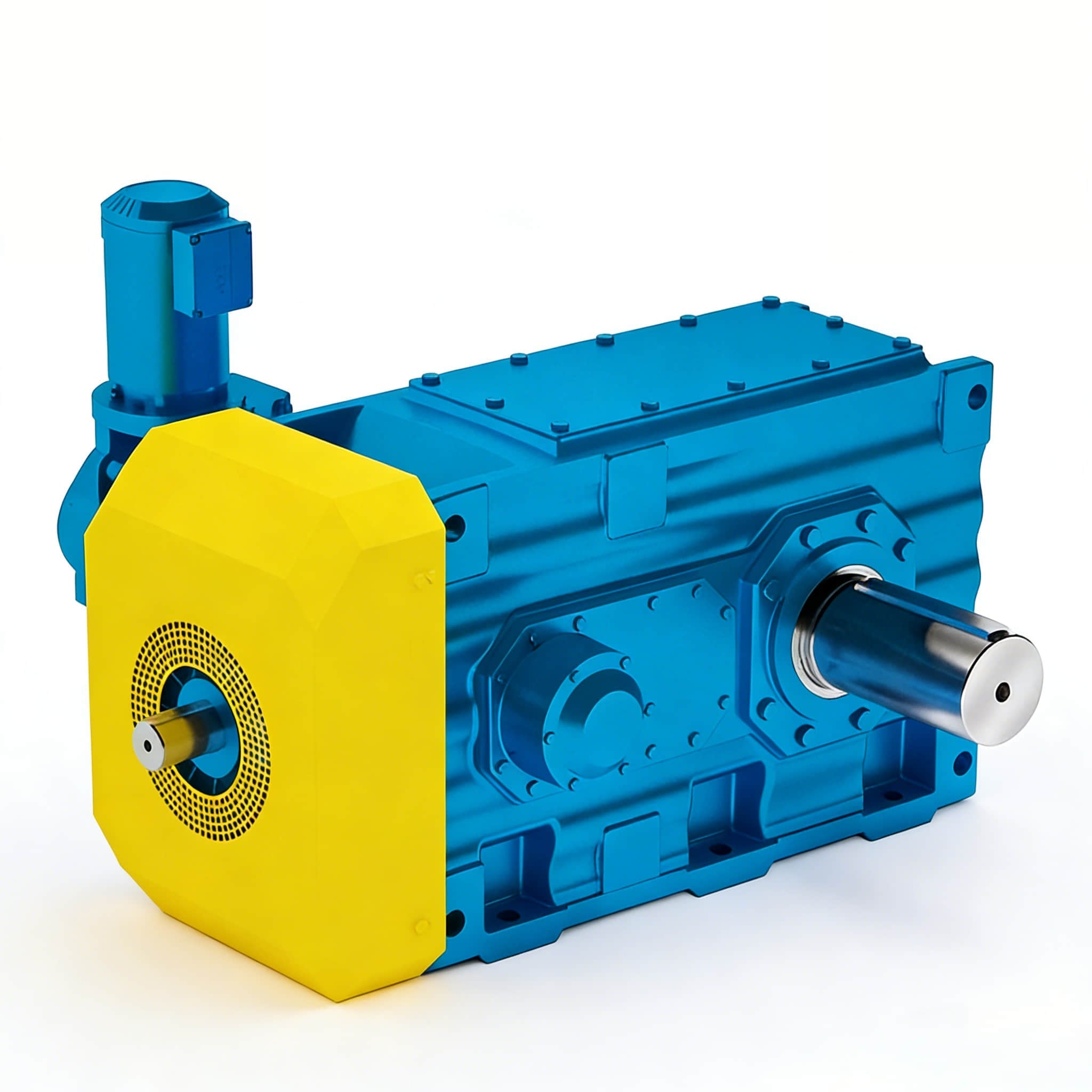
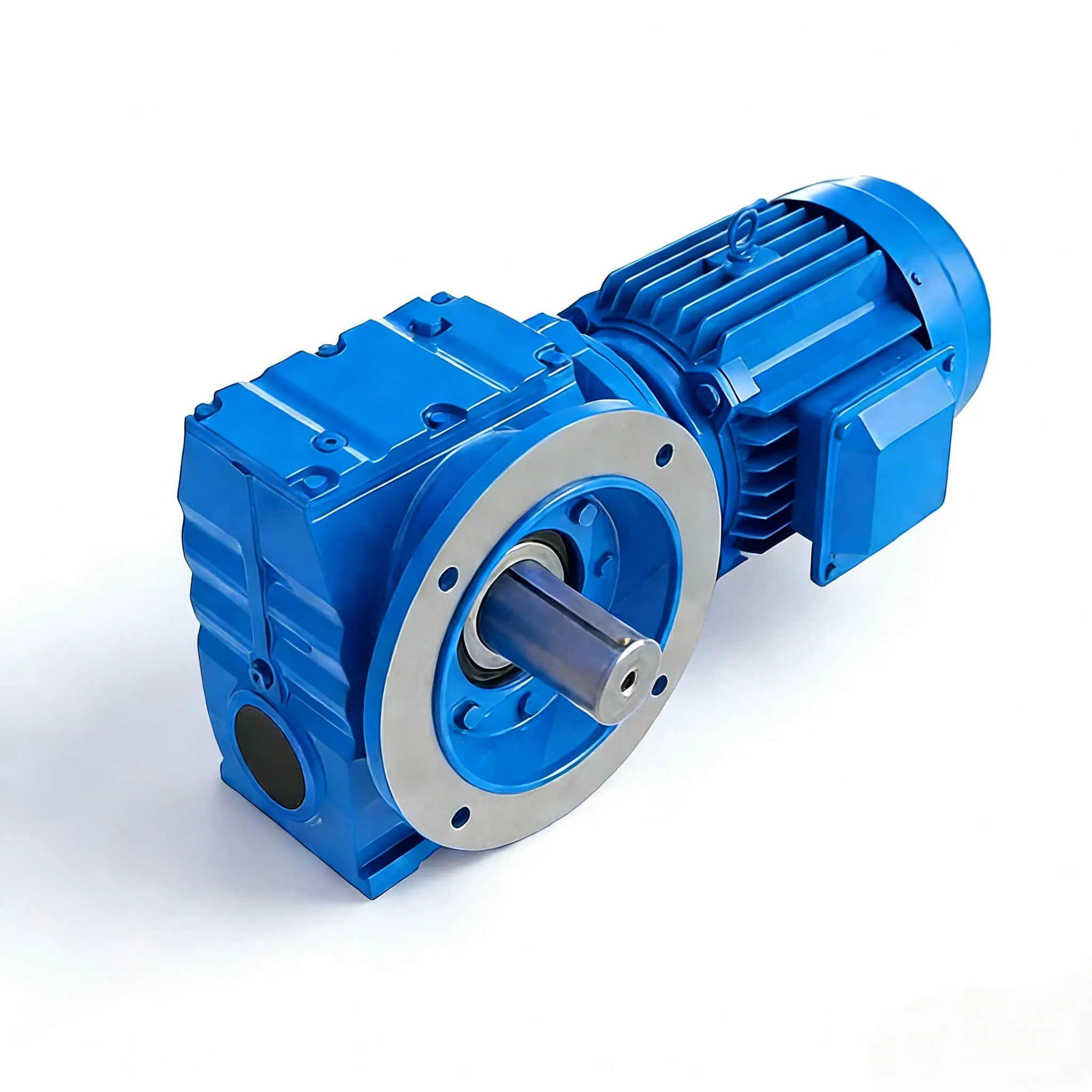
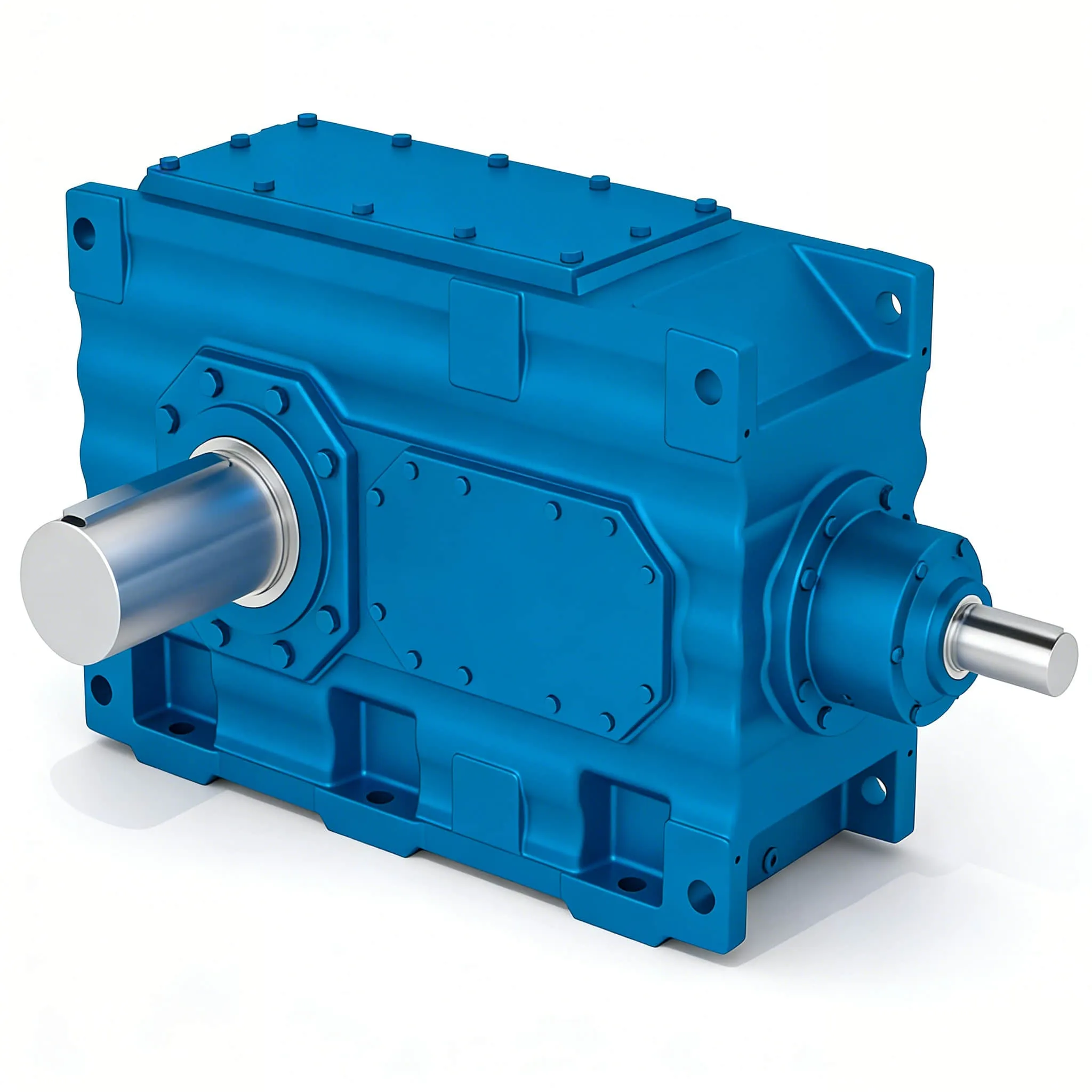
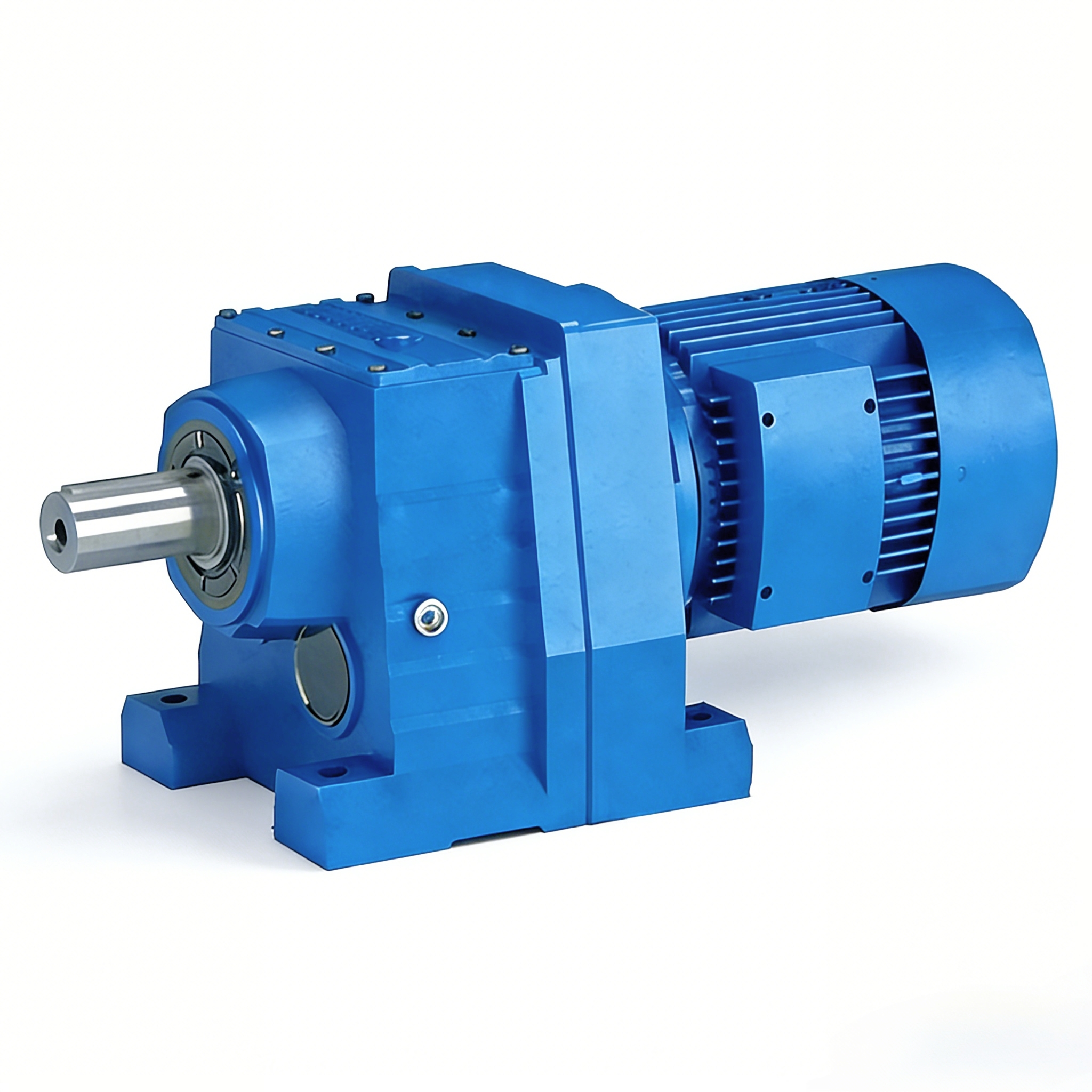
מנוע היליקלי עם גלגל שיניים מצליח לפעול בשקט ייחודי בזכות עיצוב השיניים החדשני שלו, אשר מאפיין מהפכה בניהול רעש תעשייתי. בניגוד לגלגל שיניים ישרים מסורתיים, שבהם השיניים נפגשות בהשפעה פתאומית, לגלגל שיניים היליקלי יש שיניים בזווית שמתנגנות זו בזו באופן הדרגתי וחלק, ויוצרות דפוס מגע מתגלגל שמבטל כמעט לחלוטין את הרעש המאפיין את הפעולה של גלגל השיניים והרעש התפעולי. גישה הנדסית מתקדמת זו מפחיתה את רמות הרעש עד חמש-עשרה דציבלים בהשוואה למערכות גלגל שיניים קונבנציונליות, מה שהופך את מנועי הגלגל ההיליקליים לאידיאליים ליישומים שרגישים לרעש. החשיבות של הפחתת הרעש עוברת בהרבה מעבר לשקולות נוחות בלבד. בסביבות ייצור, רעש מופרז תורם לעייפות העובדים, לקשיים בתקשורת ולנזק אפשרי לשמיעה לאורך זמן. מנועי הגלגל ההיליקליים פועלים ברמות רעש שמתאימות לסטנדרטים קפדניים של בטיחות מקצועית, תוך שמירה על יכולות ביצוע מלאות. הפעולה השקטה מאפשרת התקנה במיקומים שהיו בלתי מתאימים בעבר, כגון בנייני משרדים, מוסדות רפואיים ומוסדות חינוך, שבהם יש לצמצם את זיהום הרעש. מן הפרספקטיבה הטכנית, ההתנגשות הדרגתית של השיניים מפיצה את כוחות ההשפעה לאורך זמן במקום ליצור עומסים חדים מיידיים. העברת הכוח החלקה הזו מבטלת רעידות שבעבורן נוטות להשתרש במבנים המוחזקים ולחזק את רמות הרעש באזורים הסמוכים. הפחתת הרעידות מאריכה גם את חיי השרירים (bearings) ומחזיקה בזיהום מבני בציוד המחובר, מה שנותן יתרונות משניים מעבר לפחת הרעש. ענפים מסוימים נהנים במיוחד מתכנולוגיה זו, כאשר איכות המוצר תלויה בסביבות חפשיות מרעידות, כגון ייצור מדויק, ציוד מעבדתי וייצור סמי-מוליכים. היתרונות הכלכליים של הפחתת הרעש מתגלה כשנבחנים את הפרודוקטיביות במקום העבודה ואת שביעות הרצון של העובדים. תנאי עבודה שקטים משפרים את רמת הקשב, מפחיתים את הלחץ ויוצרים סביבות נעימות יותר שמשיכות ומחזיקות עובדים מוכשרים. בנוסף, ביטול אמצעי בקרת רעש כגון מחסומים נגד רעש, מעטפות שמעיות או תוכניות הגנה על השמיעה, מפחית את עלויות הפרויקט הכוללות, ובאותו זמן מפשט את תכנון המתקנים ואת דרישות התחזוקה.

 EN
EN